
Teeth sensitivity occurs when the protective enamel wears down or the gums recede, exposing the inner layer of the tooth and causing pain from hot, cold, sweet, or acidic foods. It’s a common issue, but it’s not something you should ignore. This blog explains what causes teeth sensitivity, the warning signs to watch for, practical at-home treatments, and when it’s time to seek professional care so you can understand the problem and manage it effectively.
What Causes Teeth Sensitivity?
When cold, hot, acidic, or sweet stimuli contact these exposed tubules, they elicit a sharp, rapid pain sensation. Research published in the Journal of Oral Health found that hypersensitivity is caused by exposure of dentine tubules due to factors such as behavioural habits and dietary choices.
Enamel Wear
Enamel is the hard protective covering of your teeth. However, it is not entirely indestructible. Over time, it can chip and recede due to erosion, typically caused by consuming large amounts of acidic gobbledegook and drink-stuff like fruits and drinks that contain citric acid, sodas, and sporty drinks with high levels of phosphoric acid and ascorbic acid.
Similarly, brushing your teeth too hard with a rough-bristled toothbrush and using strong teeth-whitening agents in your toothpaste can cause tooth abrasion and grinding from stress and insomnia.
Gum Recession
Your gums are meant to fit snugly around your teeth, covering sensitive roots that, although they lack enamel, have a much thinner layer of protection called cementum. When gums pull away or recede due to periodontal disease, aggressive brushing, or aging, these roots are exposed to the environment.
Because the roots lack the robust protection of enamel, they are far more sensitive to temperature changes and touch. Once gums recede, they do not naturally grow back, making it vital to address the cause of the recession early.
Tooth Decay or Damage
In most cases, localized pain stems from specific problems with the tooth’s structure. Tooth cavities develop when bacteria invade the tooth, eating into it and eventually breaking through to the pulp, causing pain. Tooth cracks, which develop as a consequence of accidents, biting hard objects, or excessive teeth grinding, can expose the pulp of a tooth to pain-provoking agents. In some instances, a tooth with a worn-out cavity filler develops a cavity between it and a restored tooth.
Recent Dental Treatments
It is totally normal to feel some level of sensitivity in your teeth. Dental cleanings, especially when there is a high level of gum disease or tartar buildup, can cause sensitive teeth. Dental procedures such as fillings, crowns, and veneers all involve altering the tooth surface, which can be very sensitive to the nerve. Using teeth-whitening products can cause sensitive teeth, as the unsightly stain makes the enamel more porous.
Common Signs You Shouldn’t Ignore
While occasional discomfort might happen, specific patterns of pain indicate that your teeth require attention. Early identification of these signs can prevent greater damage.
Sharp Pains That Come and Go
Dentinal sensitivity usually presents itself as a short, sharp, sudden jolt of pain rather than as a dull ache. The pain is immediate and usually stops when the stimulation is removed (e.g., cold water).
Pain While Eating or Drinking
The most common triggers for dentin hypersensitivity include cold drinks, coffee, soup, sweet foods, and acidic foods. If you find yourself avoiding certain types of food and drinks because of the fear of pain, then there is a high likelihood of exposed dentin.
Sensitivity During Brushing
If even the touch of your toothbrush, along with cold water while rinsing, hurts, you might have receding gums or very thin enamel.
Localized vs. Widespread Sensitivity
Pain in a tooth usually indicates a cavity, a cracked tooth, or a loose filling. Pain felt across many teeth would usually be caused by enamel erosion or gum recession due to systemic problems, such as grinding.
How to Treat Teeth Sensitivity at Home?
For mild to moderate cases, several effective at-home strategies can help manage the discomfort by calming the nerve or blocking the exposed tubules.
Use Desensitizing Toothpaste
Desensitizing toothpaste is usually the first line of defense. Desensitizing toothpaste contains active ingredients such as potassium nitrate. It blocks pain signals from reaching the nerve, and stannous fluoride, which helps close the dentinal tubules. It must, however, be remembered that this must be used regularly over time.
Improper Brushing Habits
Switching to a soft-bristle toothbrush is vital to avoid further enamel wear and gum recession. In addition, it is healthier to use a soft motion or a circular brush rather than scrubbing the gums horizontally.
Avoid Trigger Foods
Limiting the frequency of acidic foods and beverages is crucial to stop further enamel erosion. If you consume acidic foods or beverages, rinse your mouth with water immediately afterward, and wait at least 30 to 60 minutes before brushing, so your saliva can neutralize acids and remineralize your enamel.
When Should I See a Dentist for Teeth Sensitivity?
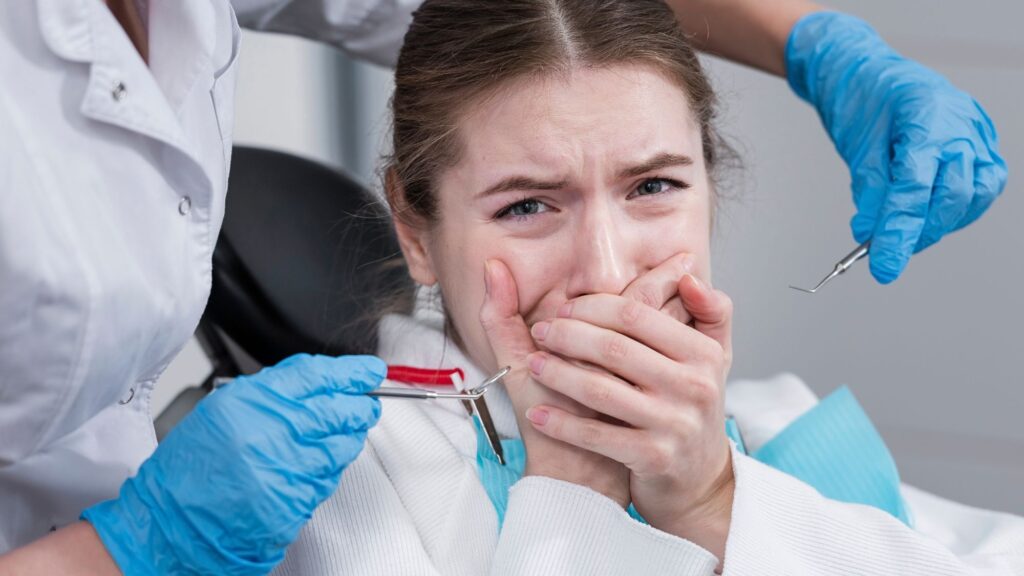
While home remedies are helpful, they cannot fix underlying structural damage. You should schedule an appointment if your discomfort lasts for more than two or three weeks, if the pain becomes severe or keeps you awake at night, or if it is localized to a specific tooth.
A dentist can rule out more serious issues, such as infection or decay, and offer professional treatments, including applying fluoride varnish to strengthen enamel, placing dental sealants to cover exposed roots, performing a gum graft to replace lost gum tissue, or performing a root canal to save an infected tooth.
To Sum Up
To sum it up, tooth sensitivity is your body’s way of telling you that something needs attention. It may start small, but understanding the cause early can help you avoid bigger problems later. Simple daily care, the right habits, and timely action can make a real difference in comfort and confidence. If teeth sensitivity is affecting your routine or peace of mind, it’s a good idea to get it checked. Schedule a visit with The Honest Crown today and take the first easy step toward lasting relief and a healthier smile.