
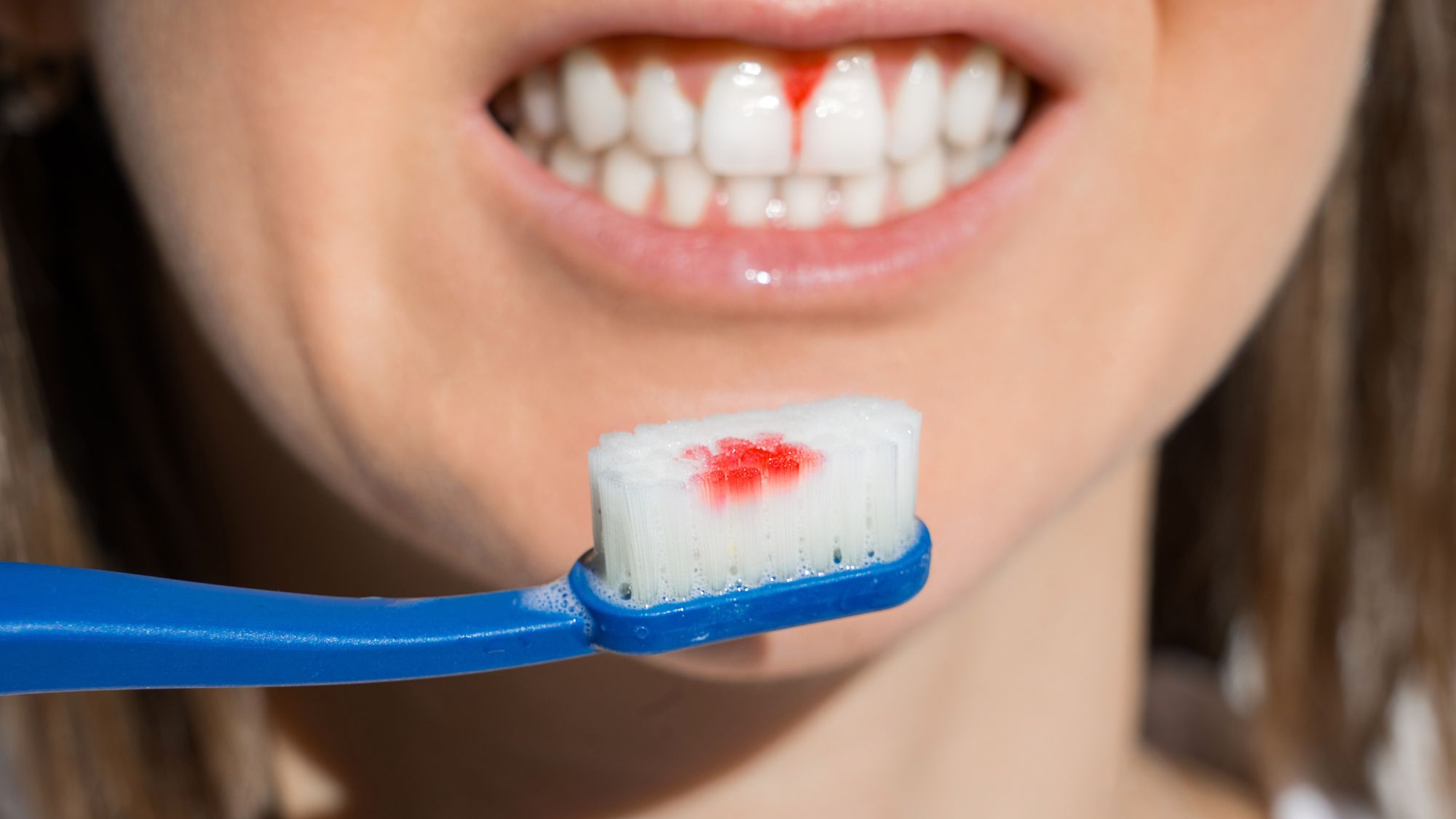
You finish brushing your teeth, spit into the sink, and suddenly notice pink foam or streaks of blood. For a moment, you pause. Is it because you brushed too hard? Or is your body trying to tell you something else about your oral health? Gum bleeding during brushing is one of the earliest warning signs of any dental problems.
Although minor gum bleeding is not uncommon, regular bleeding is a problem. Healthy gums do not bleed during normal brushing and flossing. Knowing the causes of bleeding gums, what they mean for your oral health, and when to take action can help you avoid complications such as gum disease and tooth loss.
Why Are My Gums Bleeding? Top Causes
If you’ve been asking, “Why do my gums bleed when I brush?” the answer usually lies in inflammation. When plaque bacteria accumulate along the gumline, your immune system reacts. That reaction causes redness, swelling, and bleeding. The most common causes include:
Plaque and Tartar Buildup
The primary reason for bleeding gums is the accumulation of plaque, a nearly invisible, sticky film of bacteria that constantly forms on your teeth. When you eat, especially sugary or starchy foods, these bacteria produce acids and toxins that attack your tooth enamel and, crucially, irritate your gum tissue. If plaque is not meticulously removed through daily brushing and flossing, it begins to mineralize and harden.
Within 24 to 72 hours, plaque develops into tartar, also called calculus. Tartar is very hard and cannot be removed by brushing or flossing. It adheres strongly to tooth enamel and along the gum line, creating a solid, porous surface for bacteria to grow. The constant presence of bacterial toxins causes chronic inflammation, making the gums puffy, sensitive, and prone to bleeding from even the slightest contact, such as a toothbrush bristle.
Gingivitis (Early Stage Gum Disease)
Gingivitis is the first stage of gum disease, marked by the inflammation of the gingiva (the soft tissues surrounding your teeth). This stage is the body’s response to the toxins released by the plaque biofilm. Gingivitis is often painless, and many people are unaware of it, thinking that bleeding gums are normal.
However, signs include gums that appear bright red, puffy, or swollen instead of firm and pale pink. The gums are highly sensitive and bleed easily during brushing or flossing because inflammation increases blood flow to the area as the immune system fights the bacterial infection.
The positive side is that gingivitis can be fully restored. The inflammation will heal when hardened tartar is removed through diligent, improved oral hygiene at home and a professional dental cleaning, and the gum bleeding will stop.
Periodontitis (Advanced Gum Disease)
If gingivitis is left untreated, it progresses into a much more serious condition known as periodontitis. At this stage, chronic inflammation pulls the gums away from the teeth, forming deep gaps called periodontal pockets. These pockets are incredibly difficult to clean, trapping more bacteria, plaque, and tartar deep below the gum line, where they continue to destroy the soft tissue and bone that hold your teeth in place.
Bleeding gums become more frequent and intense, and the gums may begin to recede, making the teeth look longer. Other symptoms are constant bad breath, bad taste in the mouth, and ultimately, loose or changing position of the teeth. Periodontitis is not reversible as wasting of the soft tissue and bone is inevitable, though it may be controlled to limit future bone loss.
Aggressive Brushing or Improper Technique
While bacterial buildup is the leading cause, physical trauma to the gums can also cause gum bleeding. Some people think that the more they scrub their teeth with a toothbrush, the more plaque they remove, but this is not something they should risk. Using a hard-bristled toothbrush or applying excessive pressure can strip away delicate gum tissue, leaving the tooth roots exposed and making the gums feel abrasive.
It not only causes immediate bleeding but may also lead to long-term gum recession and tooth sensitivity. The correct method is to hold the toothbrush at a 45-degree angle to the gums and move it in circular motions, not back and forth. When your brush bristles are torn apart and sticking out after a few weeks of usage, then there is no doubt that you are over-brushing.
Other Potential Factors
Sometimes, bleeding gums are a symptom of issues outside of direct oral hygiene. Hormonal changes, particularly during pregnancy, puberty, or menopause, can increase blood flow to the gum tissue. Make it more sensitive to bacterial plaque, a condition sometimes called “pregnancy gingivitis.”
Some drugs, like blood thinners (anticoagulants), may cause gums to be more susceptible to bleeding. Vitamin C deficiency, or a lack of Vitamin K, which is necessary for blood clotting. It can also cause unhealthy, bleeding gums.
Moreover, smoking and e-cigarettes can cause a drastic reduction in blood flow to the gums, concealing inflammation and making it impossible for the gum tissue to heal. Which often delays the recognition of the severity of gum disease until it reaches an advanced stage.
When to Visit a Dentist Immediately

Occasional bleeding due to improper flossing may not be an urgent concern. The following symptoms suggest that you should visit a dentist immediately:
- Gum bleeding persists: It happens every time you floss or brush your teeth.
- You are experiencing pain and severe swelling: Your gums are sore, tender to the touch, and/or have an abscess.
- You observe gum recession: Your teeth look longer, and you can see your tooth roots.
- Teeth feel loose: You notice a change in how your teeth fit together when you bite, or your teeth feel wobbly.
- Bad breath is constant: You have persistent halitosis that doesn’t improve with brushing.
The Mayo Clinic advises scheduling an appointment with your dentist as soon as possible if you notice any symptoms of gingivitis. Prompt treatment can help reverse damage before it progresses to periodontitis.
Conclusion
Bleeding gums are your body’s way of telling you something is wrong. It usually begins with plaque buildup or gum irritation, but it can also indicate something more serious if left untreated. Catching it early and making changes to your oral hygiene routine can ensure that your gums remain healthy. Don’t let small problems turn into big ones. At The Honest Crown, we make it simple for you to maintain a healthy smile.