
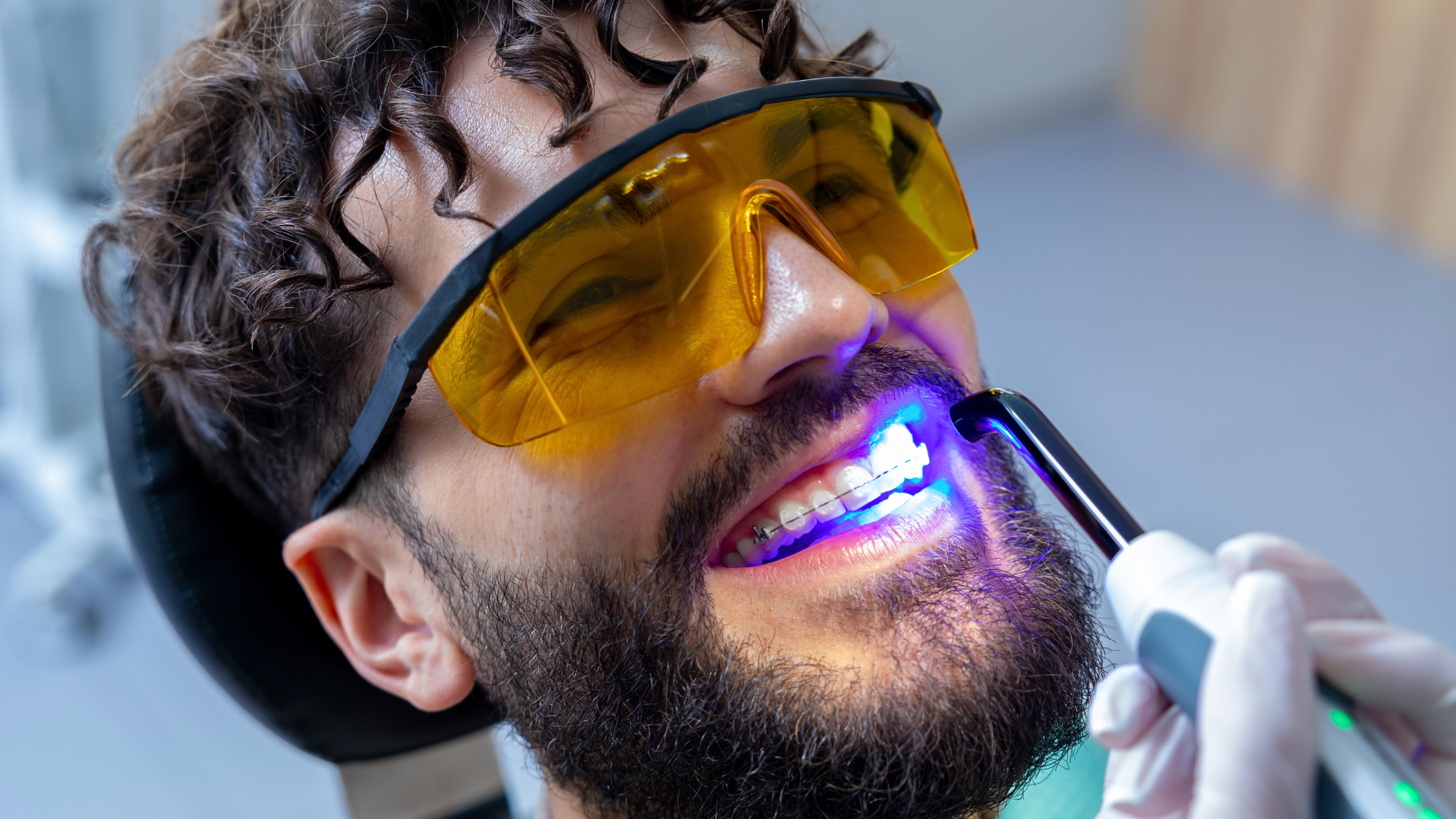
You finally see your smile looking brighter in the mirror. The stains are gone. Photos look better. You feel more confident in meetings and social events. Then a few months later, you start wondering How long is this actually going to last? One of the most common concerns people have before starting a teeth whitening treatment is longevity. On average, the results of a whitening procedure can last anywhere from 6 months to 3 years. This, of course, depends on the procedure used and your personal habits.
Teeth whitening does not affect the internal structure of the teeth. It only reduces stains caused by food, beverages, aging, and lifestyle factors. In this guide, we will examine the 8 key factors that determine how long a teeth whitening procedure will last.
Factor #1: Type of Whitening Treatment You Choose
The delivery system and the concentration of the whitening agent are the biggest predictors of durability.
Professional Systems: These use 25% to 40% hydrogen peroxide. Because the concentration is high, it penetrates deeper into the enamel, breaking up intrinsic stains that have accumulated there for years.
Over-the-Counter (OTC): These usually contain 3% to 10% peroxide. They mostly target extrinsic (surface) stains. Because they don’t reach the deeper layers of the tooth, the results vanish as soon as new surface stains accumulate.
Professional treatments often include a post-treatment fluoride or potassium nitrate application, which helps “seal” the enamel, making it less receptive to immediate re-staining.
The American Dental Association (ADA) notes that professional whitening provides a more controlled, deeper oxidation process than store-bought kits. Source: ADA Whitening Guidelines
Factor #2: Your Diet After Whitening
Your teeth are most vulnerable during the first 48 hours after treatment. The whitening process temporarily opens the pores (dentinal tubules) of your teeth. If you drink red wine or eat blueberries during this window, the pigment travels directly to the tooth’s core.
The White Diet Strategy:
Avoid: Coffee, black tea, balsamic vinegar, soy sauce, and red pasta sauces.
Adopt: White proteins (chicken/fish), cauliflower, white rice, and water.
The Straw Trick: If you must have iced coffee, use a straw to bypass the front teeth entirely.
Studies in the Journal of Dentistry emphasize that dietary chromogens are the leading cause of relapse in tooth colour post-whitening.
Factor #3: Smoking and Tobacco Use
Nicotine and tar are the enemies of a white smile. Nicotine is colourless until it mixes with oxygen, at which point it turns yellow. Tar is naturally dark. When you inhale tobacco smoke, these chemicals leach into the pores of the enamel.
For smokers, a whitening treatment that should last a year might only last two months. Vaping also carries risks, as the chemical aerosols can still contribute to a film on the teeth that attracts stains.
The Journal of the American Dental Association (ADA) confirms that tobacco use significantly reduces the long-term success of any cosmetic dental procedure.
Factor #4: Oral Hygiene Routine
Whitening isn’t a substitute for teeth cleaning. In fact, plaque is highly porous and acts like a sponge for food colouring. If you aren’t brushing properly or flossing daily, plaque builds up on the surface of your white teeth, making them look dingy and yellow long before the whitening agent has worn off. Using a soft-bristled electric toothbrush can help remove these surface films more effectively without abrading the enamel.
Clinical trials indexed in Cochrane Library show that superior plaque control is directly correlated with the retention of tooth bleaching results.
Factor #5: Natural Enamel Thickness and Age
As we age, our enamel naturally wears down. Beneath the white enamel lies dentin, which is naturally yellowish. If you have thin enamel (due to genetics or acid erosion), your teeth will always appear more yellow, and whitening will seem to “fade” faster because the yellow dentin is shining through from the inside. This is why “anti-aging” dental care focuses on strengthening enamel to keep the white layer thick and opaque.
The International Journal of Health Sciences discusses how age-related enamel thinning affects the optical properties of teeth.
Factor #6: Touch-Up Treatments and Maintenance
Think of whitening like a gym membership; you can’t just go once and expect to stay fit forever. Most people who maintain a white smile for 5+ years use maintenance kits. This usually involves wearing a custom tray for one night every 3 to 6 months. This “boosts” the oxygen levels in the enamel and clears out any minor pigments that have moved in since your last deep clean.
The Journal of Clinical and Experimental Dentistry suggests that periodic at-home maintenance significantly extends the colour stability of in-office procedures.
Factor #7: Medications and Medical Conditions
Some stains aren’t caused by coffee; they are caused by chemistry. Certain antibiotics (such as tetracycline) or high levels of fluoride during childhood can cause intrinsic bands of grey or brown. These stains are locked inside the tooth structure. While whitening can lighten them, they often rebound to their original shade faster than lifestyle stains. Additionally, conditions like acid reflux (GERD) can erode enamel, making teeth more susceptible to rapid staining.
Mayo Clinic provides documentation on how certain medications can cause internal tooth discoloration that resists standard whitening.
Factor #8: The Skill and Experience of Your Dentist
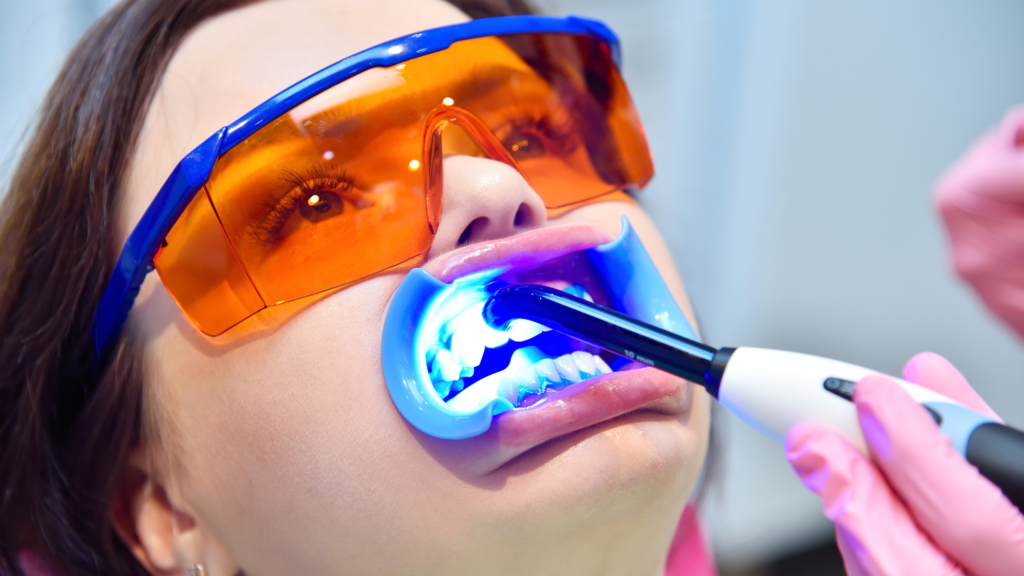
Proper application is everything. A professional assessment ensures that your gums are protected and that the whitening agent is applied evenly. If the gel is applied haphazardly, you get blotchy results that appear to fade unevenly. A dentist also ensures that any cavities or leaky fillings are addressed first; whitening over a damaged tooth can cause intense pain and internal damage that permanently affects the tooth’s colour.
The British Dental Journal emphasizes the importance of clinical supervision during tooth whitening to prevent soft-tissue injury and ensure uniform results.
Conclusion: Is Teeth Whitening Worth It Long Term?
While teeth whitening isn’t a “one-and-done” permanent fix, it remains one of the most effective ways to rejuvenate your appearance. By managing your diet, maintaining a solid hygiene routine, and opting for professional-grade delivery methods, you can easily keep your results leaning toward the two-year mark rather than the six-month mark. Ready to see what’s possible for your smile? Schedule a consultation with The Honest Crown to create a customized maintenance plan that keeps your bright results bright.