
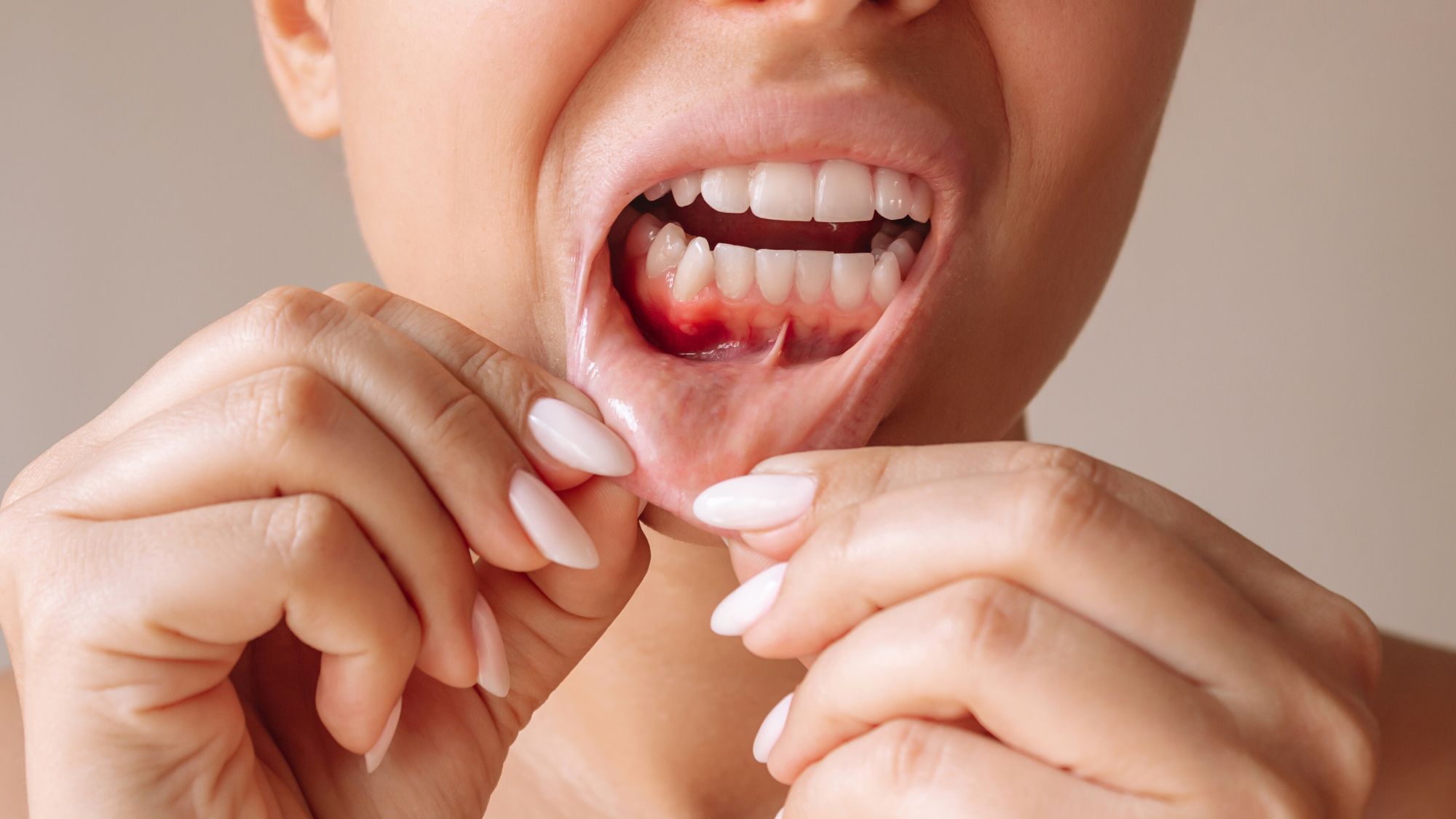
Notice that your gums are bleeding more frequently when you are having stressful days? Stress does not cause gums to bleed, but it can weaken your immune system, making your gums more sensitive to bleeding.
In this blog, we’ll explore how stress impacts your oral health, the causes of gum bleeding during stress, who is most at risk, and tips to protect your gums from bleeding.
How Stress Affects Your Body and Oral Health
Stress affects more than just how you feel. It can quietly take a toll on your body and affect your oral health, especially your gums.
The Stress Response When you encounter a stressful situation, your body enters “fight or flight” mode. This process is governed by the endocrine system, specifically the release of cortisol. While cortisol is helpful for short-term bursts of energy, “chronic stress” keeps these levels elevated for weeks or months.
High cortisol levels are notorious for suppressing the production of white blood cells, which are your body’s primary defense against oral bacteria. Without a strong immune response, the bacteria naturally present in your mouth can multiply unchecked, leading to rapid-onset gum inflammation.
According to research published in the Journal of Periodontology, there is a strong positive correlation between high salivary cortisol levels and the severity of periodontal disease and plaque accumulation.
The Oral-Systemic Health Connection
The mouth is not an island; it is a gateway to the rest of your body. The “oral-systemic link” refers to how oral infections can influence general health and vice versa. Chronic stress creates a pro-inflammatory environment throughout the entire body.
When your systemic inflammation is high, the soft tissues in your mouth become the first “battleground.” This inflammation weakens the collagen fibers that attach your gums to your teeth, making the tissue more porous and prone to bleeding at the slightest touch.
The American Psychological Association (APA) notes that long-term stress can cause wear and tear on the body (allostatic load), which specifically exacerbates inflammatory conditions like gingivitis.
How Stress Can Lead to Gum Bleeding
Understanding the biological chain of events linking a stressful event to a physical symptom is key to managing your oral health. Here is how elevated cortisol levels and shifted daily habits create the perfect storm for gum bleeding and inflammation.
Understanding the biological chain of events linking a stressful event to a physical symptom is key to managing your oral health. Here is how elevated cortisol levels and shifted daily habits create the perfect storm for gum bleeding and inflammation.
Weakened Immune System
Your mouth is home to billions of bacteria. Usually, your immune system keeps them in balance. However, stress acts as a “shield-down” for your immune system. When your defenses are low, the bacteria in dental plaque produce toxins that irritate the gums much more effectively than they would if you were relaxed and healthy.
This is why many people experience trench mouth (Acute Necrotizing Ulcerative Gingivitis) during periods of extreme psychological trauma or exhaustion.
Studies in Frontiers in Immunology highlight how psychological stress alters the gut-mouth microbiota axis, decreasing the body’s ability to fight off pathogens.
Increased Inflammation in Gum Tissue
Inflammation is your body’s way of trying to heal, but under chronic stress, this response goes into overdrive. The gums become engorged with blood as the body tries to send immune cells to the area, leading to bleeding.
This “vasodilation” makes the capillaries in your gingival tissue fragile. If you notice bleeding while eating a piece of fruit or during your normal brushing routine. It is a clinical sign that your body’s inflammatory markers are peaked.
Stress-Related Habits That Harm Gums
Beyond the biological changes, stress changes our behavior. When we are stressed, we often fall into a survival mode where luxury tasks like flossing are the first to go.
- Neglect: Skipping the nighttime brush because you are too exhausted.
- Bruxism: Grinding or clenching teeth (especially in sleep) exerts tremendous pressure on the bone and gums.
- Diet: Turning to comfort foods rich in sugar is an instant energy source for bacteria that cause plaque.
- Dry Mouth: Stress-related mouth breathing or low saliva production (Xerostomia) inhibits the body’s natural rinsing action against acid and bacteria.
The Journal of Clinical Periodontology agrees that secondary factors like smoking and poor diet during stressful times are major contributors to gum disease.
Who Is Most at Risk?
Not all people react to stress in the same manner, but some people are more likely to experience stress in their mouths than others:
The Overworked Professional: People experiencing chronic burnout tend to have higher levels of systemic inflammation.
Students during Finals: Short-term, intense stress is a common cause of gum irritation and bleeding.
Caregivers: Those looking after ill family members often experience caregiver stress. Which has been linked to slower healing times in the mouth.
Smokers: Nicotine constricts blood vessels, which can actually hide bleeding even while the disease progresses. When a smoker is stressed, the damage to the gums happens twice as fast.
How Stress Can Lead to Gum Bleeding

While you may not always be able to control the external pressures of life, you can control how your mouth responds to them. Implementing a proactive defense strategy during high-stress periods can shield your delicate gum tissue from cortisol’s inflammatory effects and help prevent gum bleeding.
- Stick to the Two-Minute Rule: Even on your busiest days, ensure you brush for a full two minutes twice daily to disrupt the plaque biofilm that thrives when your immune system is compromised.
- Switch to a Soft-Bristled Brush: Inflamed gums are physically more fragile, so using a soft-bristled or electric toothbrush with a pressure sensor prevents further mechanical trauma and bleeding.
- Prioritize Daily Flossing: Stress-related inflammation makes the spaces between your teeth more vulnerable to bacterial invasion. So daily flossing or interdental brushing is non-negotiable.
- Hydrate to Fight Dry Mouth: Anxiety often reduces saliva flow, so drinking plenty of water helps maintain a neutral pH in your mouth and washes away food particles that fuel bacteria.
- Incorporate an Alcohol-Free Mouthwash: Using a therapeutic, antibacterial rinse can provide an extra layer of protection against gingivitis without drying out your oral tissues like alcohol-based versions do.
- Monitor Your Jaw Tension: Be mindful of teeth clenching or grinding during the day. This physical strain can irritate the gum attachments and exacerbate existing tooth sensitivity.
- Limit Sugary Stress-Snacking: Reduce your intake of refined sugars and processed carbs during stressful weeks. This provides immediate fuel for the bacteria that cause gum infections.
Conclusion
It is easy to feel overwhelmed when your body starts reacting to the pressures of life, but seeing pink in the sink doesn’t have to be your new normal. While stress is a powerful trigger for gum bleeding, a combination of gentle care and proactive stress management can quickly restore your oral health.
By prioritizing your hygiene today, you prevent minor inflammation from becoming a long-term problem. At The Honest Crown, we believe in a holistic, transparent approach to your dental wellness.
Ready to give your smile the expert attention it deserves? Schedule a visit with The Honest Crown today for a personalized assessment.