
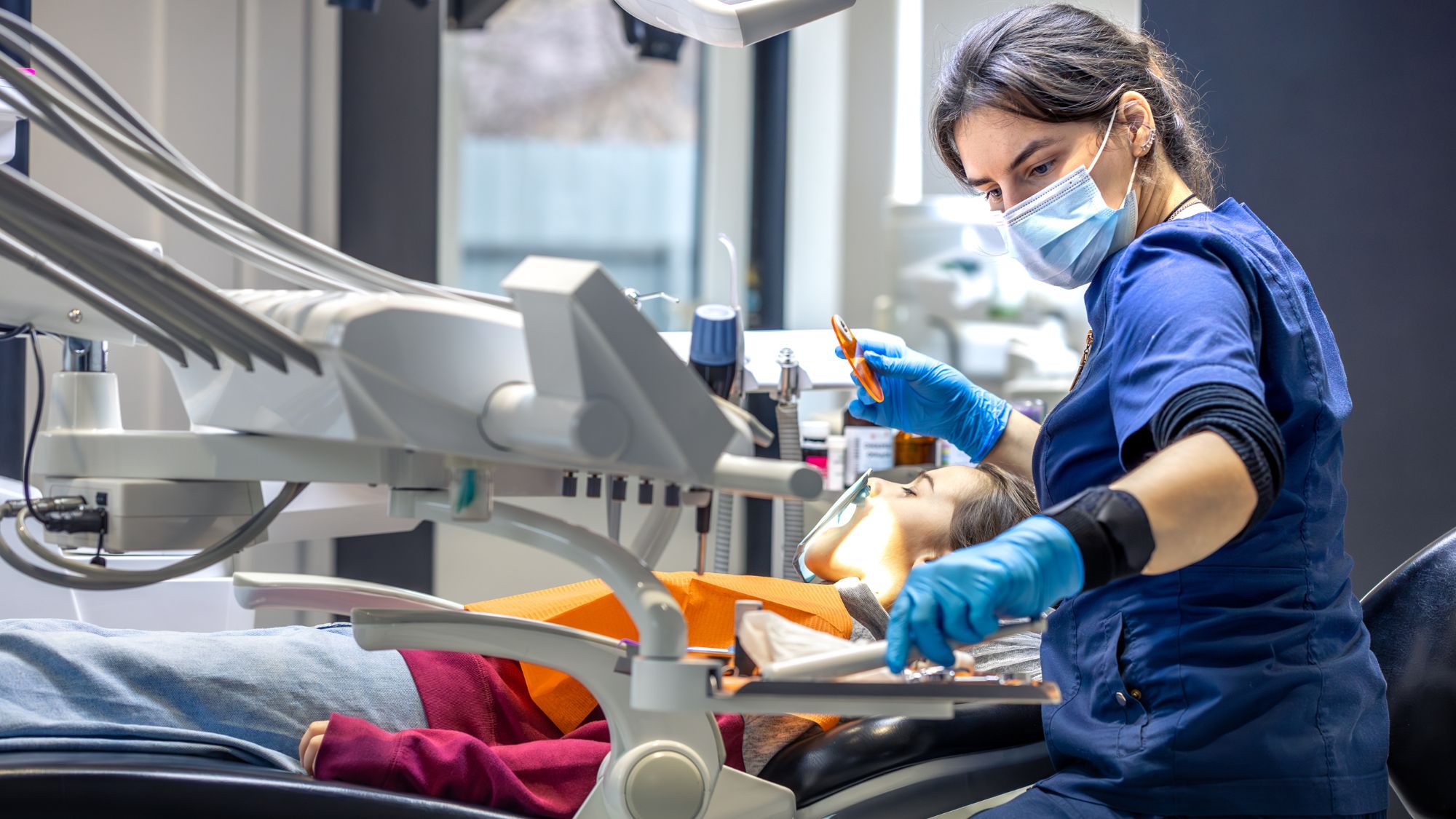
If you’re dealing with sudden swelling, persistent bleeding, a broken tooth, or symptoms of infection, you may be facing a true dental emergency. Acting quickly can protect your health, relieve severe pain, and even save a tooth.
If you’re in the area and unsure whether your situation qualifies, reviewing what counts as urgent dental care can help you decide when to contact an emergency dentist in Livingston for immediate guidance.
Below are 7 clear signs you need an emergency dentist immediately, explained in detail to help you make an informed, confident decision.
1. Severe or Persistent Tooth Pain
Not all toothaches are the same. While some toothaches are minor and may indicate a receding gum line, severe toothaches are the body’s way of telling you that the pulp is under attack. Tooth pain that ranges from mildly annoying to debilitating is often an indication that the tooth’s protective coating has already been compromised, leaving the nerves exposed to disease-causing bacteria and temperature changes.
When Tooth Pain Becomes a Dental Emergency
Pain is considered an emergency if it lasts longer than 24 hours or if it is throbbing, mirroring the rhythm of your heartbeat. Tooth pain is also considered an emergency if it radiates to the ear, temple, or neck, indicating the infection is already spreading. To know more about what to do in such a situation, our guide on What to Do If You Have a Severe Toothache in Livingston can help!
What Severe Pain May Indicate
Abscess: A bacterial infection in the root of the tooth, which can cause the loss of bone.
Advanced Decay: Cavities have already reached the nerve chamber.
Exposed Nerve: Often resulting from a deep crack or a lost restoration (filling/crown).
2. Swelling in the Gums, Face, or Jaw
Swelling is never a wait-and-see symptom in dentistry. Because the tissues in the mouth and jaw are so close to vital pathways, including your airway and the cavernous sinus, rapidly progressing swelling is a red-flag emergency. If you notice your cheek looks puffy or your gums have a visible, pimple-like bump (fistula), an infection is likely present.
Why Swelling Is a Major Warning Sign
Swelling results from fluid and pus buildup. In the rigid environment of the jawbone, this pressure has nowhere to go, which can lead to intense pain and the destruction of the surrounding bone tissue.
Why Immediate Treatment Matters
Early intervention allows a dentist in Livingston to drain the infection and prescribe targeted antibiotics. If left untreated, dental swelling can lead to Ludwig’s Angina, a serious skin infection that occurs on the floor of the mouth, under the tongue, which can eventually block the airway.
3. Uncontrolled Bleeding in the Mouth
While a small amount of blood during flossing might suggest gingivitis, active, heavy bleeding is a medical crisis. This is most common after an impact injury or as a complication following a tooth extraction.
When Bleeding Is Not Normal
If you apply firm pressure with a clean gauze for 15 minutes and the bleeding does not slow down or stop, the wound may require professional packing or sutures. This is especially dangerous for patients on blood thinners or those with underlying clotting disorders.
Common Causes of Emergency Bleeding
Trauma to the soft tissues (tongue, lips, cheeks) often requires an emergency evaluation to ensure no foreign objects are lodged in the wound and to minimize scarring. For more tips on managing minor mouth injuries at home, see our guide on preventative oral health.
4. Broken, Cracked, or Knocked-Out Tooth
An avulsed (knocked-out) tooth is perhaps the most time-sensitive emergency in all of medicine. There is a very narrow window of 30 to 60 minutes where a dentist can successfully replant the tooth and have the ligaments reattach.
Why a Broken Tooth Needs Urgent Care
Even if a crack doesn’t hurt initially, it compromises the tooth’s structural integrity. Biting down can cause the crack to flex, allowing bacteria to be “pumped” into the nerve. If the pulp is visible (look for a pink or red spot), the risk of infection is near 100% without immediate sealing.
Signs a Crack Is Serious
- Sharp pain when releasing a bite (Rebound Pain).
- Teeth sensitivity to cold that lingers for more than 30 seconds.
- A visible segment of the tooth is moving or loose.
5. Signs of a Dental Infection (Abscess)
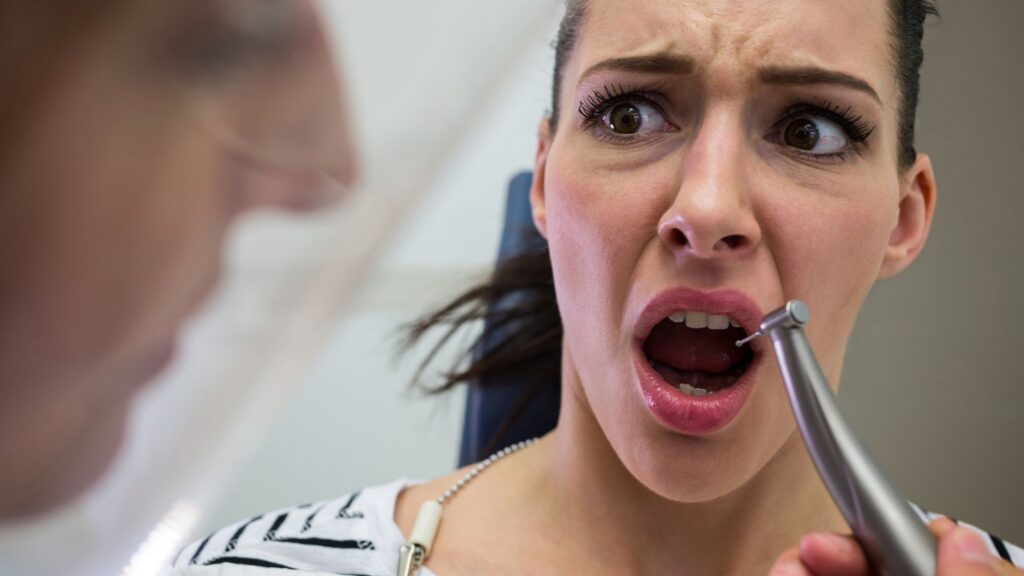
A dental infection is a localized collection of pus that can stem from the gum line or the tooth root. Unlike a cold or flu, your body cannot “fight off” a dental abscess on its own because the source of the infection is tucked away inside the tooth or bone where the immune system cannot easily reach.
Common Infection Symptoms
In addition to pain and swelling, keep a close eye on systemic symptoms. If you experience a fever, a persistent bitter or salty taste in your mouth, or chronically bad breath that doesn’t go away with proper brushing, the infection may be draining into your mouth.
Why Dental Infections Are Serious
If the bacteria enter the bloodstream (Bacteremia), it can lead to complications in the heart valves or joints. In extreme cases, untreated dental infections have been known to cause brain abscesses due to the proximity of the upper tooth roots to the cranial cavity.
Act Fast to Protect Your Oral Health
When it comes to your teeth, time is your most valuable asset. Most dental emergencies do not resolve on their own; they simply transition from an acute state of pain to a chronic state of infection that destroys the bone and supporting structures. By recognizing these seven signs, you can take the necessary steps to save your smile and your overall health.
Do you have a dental emergency in Livingston? Don’t wait for the pain to become unbearable. Our team at The Honest Crown provides rapid, compassionate emergency evaluations to get you out of pain today.