
Losing a tooth can quickly turn everyday things into frustrating challenges. Eating certain foods becomes difficult, smiling may feel uncomfortable, and even speaking clearly can sometimes feel different. When people begin researching ways to replace missing teeth, two options usually appear at the top of the list: dental implants and dentures.
Many patients exploring treatment options, such as learning about dental implants in Livingston or comparing alternatives, often feel confused about which solution is actually better. Although the two procedures are used to replace missing teeth, studies have shown that, in most cases, dental implants are the most durable option.
Understanding the pros and cons of the two procedures will help a patient make a well-informed choice. In this guide, the main differences between dental implants and dentures will be discussed, with a focus on essential factors such as durability, cost, comfort, and overall benefits.
What Are Dental Implants?
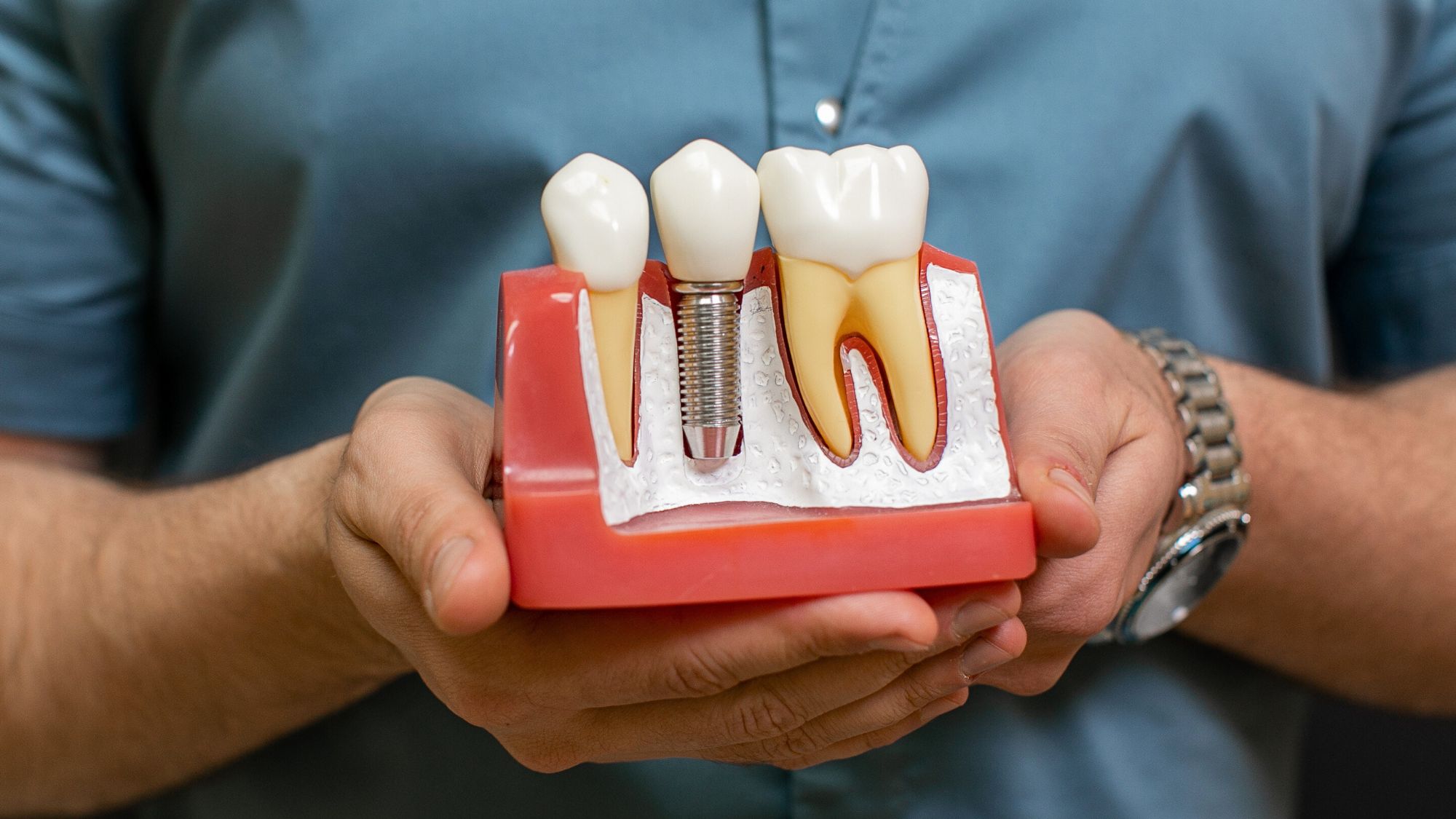
Dental implants are widely considered the gold standard of modern restorative dentistry because they not only replace the visible part of the tooth but also replace the root. This is a critical distinction because the root of a tooth does more than hold it in place; it stimulates the jawbone to keep it healthy and strong.
How Dental Implants Work
A dental implant is essentially a three-part system. First, a titanium post is surgically implanted into the jawbone. Over the course of a few months, a biological wonder called osseointegration takes place, during which your jawbone literally fuses to the metal.
Next, a connector called an abutment is attached to the post, and finally, a custom-made dental crown is placed on top of the implant. This design enables the artificial tooth to stand upright independently, unaided by the other teeth.
The success rate of dental implants is over 95% when properly integrated into the jawbone, according to the International Journal of Implant Dentistry.
Who Is a Good Candidate for Dental Implants
Though dental implants have revolutionized dentistry, they aren’t for everyone. A dental implant patient must have:
Healthy Gums: It is important to ensure that the patient does not have gum disease to prevent infection.
Sufficient Bone Density: Bone density is important to ensure the implant has sufficient grip, as it is made of titanium.
Good Hygiene Habits: As with natural teeth, dentures must also be kept clean to prevent the buildup of “peri-implantitis,” or gum disease.
What Are Dentures?
For those who want an alternative to surgery, dentures have long been the tried-and-true solution. Unlike implants, dentures are artificial teeth that are molded to fit the mouth and rest on the gums.
Types of Dentures
Full Dentures: Used when all teeth in the upper or lower arch are missing.
Partial Dentures: These use a metal or plastic framework to clip onto remaining natural teeth.
Implant-Supported Dentures: Often called snap-ins, these combine dentures and implants by using a few implants to anchor a removable denture for greater stability.
How Dentures Replace Missing Teeth
Dentures are removable prosthetics. They rely on a combination of natural suction against the gums and, quite often, a dental adhesive to stay in place. While they provide an immediate aesthetic fix, they do not integrate with the bone, which means the jawbone may continue to change shape over time. If you are considering dental implants in Livingston, you might find that the transition from traditional dentures to implants offers a significant upgrade in quality of life.
The Journal of Prosthetic Dentistry notes that traditional dentures only restore about 20-30% of natural chewing force.
Pros and Cons: A Detailed Comparison
Choosing a restoration method requires weighing immediate benefits against long-term realities. For a deeper look at specific procedures, you might also want to read our guide on recovering from oral surgery.
The Pros:
Natural Feel: They feel so much like real teeth, you’ll likely forget they are there.
Bone Health: They are the only option that actively prevents jawbone loss.
Stability: No slipping, clicking, or shifting while you speak or eat.
The Cons:
Investment: The upfront price is higher than that of other options.
Process: It involves a minor surgery and a healing period that can last several months.
Pros and Cons of Dentures
The Pros:
Affordability: The initial cost is significantly lower, making them accessible.
Speed: You can often have a functional set of dentures within weeks.
Non-Invasive: No surgery is required for traditional versions.
The Cons:
Maintenance: They require daily removal and specialized cleaning.
Bone Loss: Without a root, the jawbone naturally shrinks over time, leading to a sunken facial appearance.
Fit Issues: As the jaw changes, dentures can become loose and require relining or total replacement.
Longevity and Cost Comparison
When evaluating price, it is important to consider the Life-Cycle Cost rather than just the initial quote.
Longevity of Implants vs. Dentures
Dental Implants: Designed to be a permanent, 25-year to lifetime solution. Only the crown (the visible part) may need a replacement due to wear and tear after 10-15 years.
Dentures: Typically last 5 to 10 years. Because the jawbone changes shape when roots are missing, the denture inevitably loses fit, necessitating a new set.
The Financial Breakdown
While a single dental implant might cost more than a full set of dentures initially, the long-term value is often higher. Dentures require ongoing costs: adhesives, cleaning solutions, professional relining every two years, and a full replacement every decade. Implants, conversely, are a one-and-done investment for many patients. For a detailed cost guide, read our blog on How Much Does a Dentist Cost in Livingston?
Long-term studies published in Clinical Oral Implants Research report a 10-year survival rate of 96.4%.
Comfort, Stability, and Daily Life
How do these options hold up during a Sunday dinner or a business presentation? This is where the choice becomes personal.
Eating and Chewing Ability
Because implants are anchored in bone, they allow you to eat almost anything, including steak, apples, and nuts. Dentures, however, can be displaced by sticky or hard foods. Many denture wearers find they have to cut their food into very small pieces to maintain stability.
Speech and Confidence
We’ve all seen the denture slip in movies, but in real life, it’s a source of genuine anxiety. Implants stay fixed in place, ensuring your speech remains crisp and clear. Dentures can sometimes cause a slight lisp or a “clicking” sound if the fit isn’t perfect.
Maintenance Requirements
The maintenance of implants is as simple as the maintenance of your natural teeth. For dentures, you have to remove them every night, clean them with toothpaste, and then soak them in a cleaning solution to prevent bacterial buildup.
Final Verdict: Dental Implants vs Dentures
Dental implants and dentures can both effectively replace your lost teeth. However, they cater to two different needs.
Dentures remain an excellent choice for people who want an alternative tooth replacement option that does not involve surgery or is less costly.
Dental implants, on the other hand, have numerous long-term benefits, including:
- Better masticatory power
- Better stability
- Prevention of jawbone atrophy
- Aesthetic appeal
- Long-term durability
For most people, dental implants remain the most reliable tooth replacement option available today. If you are considering tooth replacement options and want to better understand which solution fits your needs, scheduling a consultation can help evaluate factors such as bone health, the number of missing teeth, and long-term goals. Call our expert dentist in Livingston at The Honest Crown to make an informed decision.