If you notice blood in the sink when you brush your teeth or experience bad breath that just won’t go away, you might think nothing of it. However, these symptoms are actually signs of a serious gum disease. When plaque and bacteria accumulate in your gumline, your gums can become inflamed and bleed when you brush your teeth. Learning about symptoms and possible care options, such as gum disease treatment in Livingston, early can help people understand what these warning signs mean and why gum health should never be ignored.
Gum disease often begins quietly, with symptoms such as bleeding gums, persistent bad breath, and mild gum swelling. As these signs develop slowly, people may not recognize them until a serious state is reached. However, understanding the symptoms and preventive measures can help maintain long-term oral health and reduce the risk of developing serious gum problems.
Bleeding Gums While Brushing or Flossing
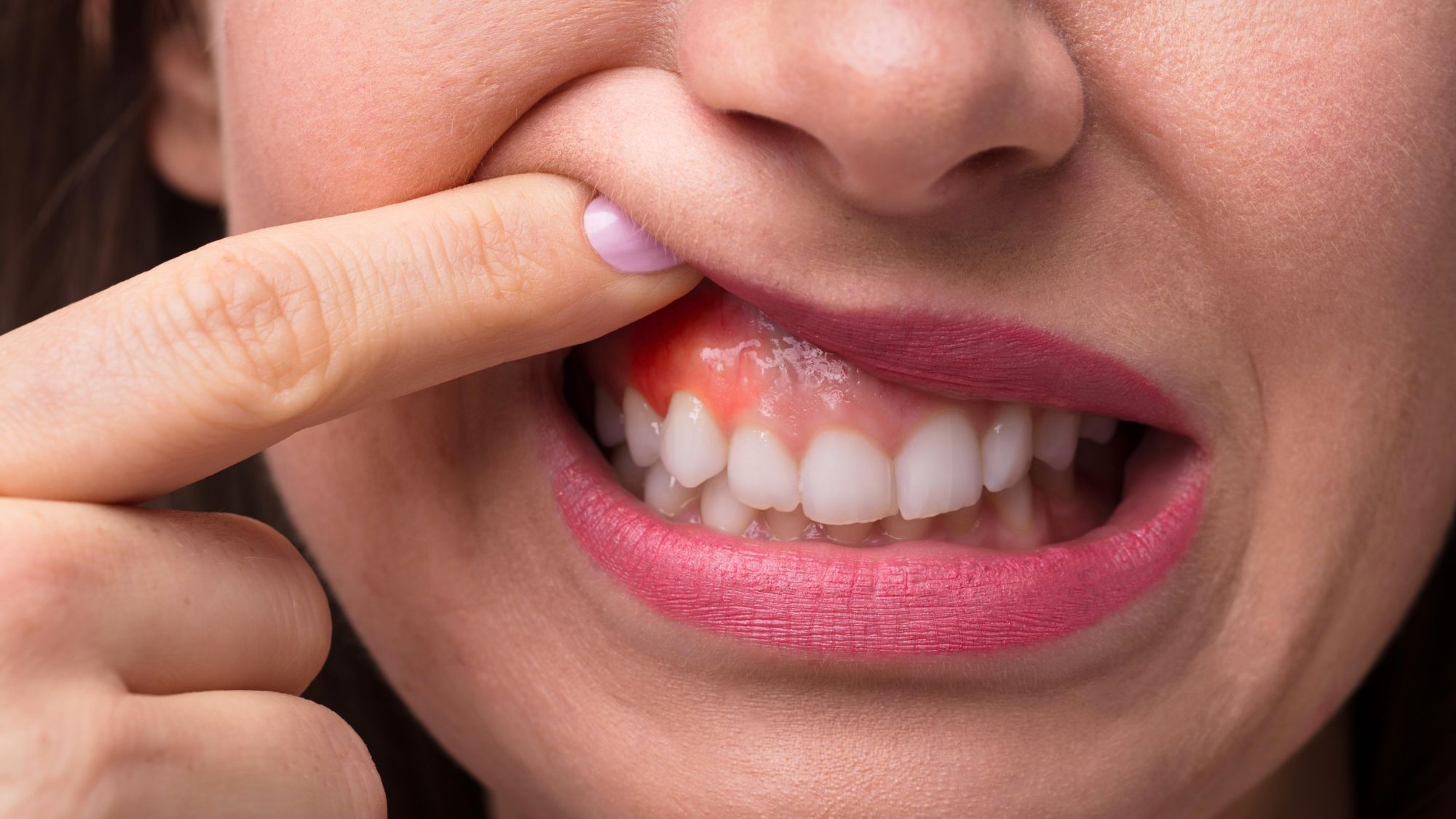
One of the biggest misconceptions in oral health is that a small amount of blood is normal while flossing. In reality, healthy gum tissue is incredibly resilient and firm. It should be able to withstand the mechanical friction of a soft-bristled brush and interdental cleaning without bleeding. If your gums bleed, it is almost always a clinical sign of inflammation, known as gingivitis.
Why Healthy Gums Should Not Bleed
Healthy gums act as a tight seal around your teeth, protecting the sensitive roots and the underlying bone. When plaque sits along the gumline, it produces toxins that irritate the tissue. This irritation causes the body to send more blood to the area to fight the infection, making the gums appear red and puffy and prone to bleeding at the slightest touch.
According to the American Academy of Periodontology, bleeding is a primary objective sign of an active inflammatory response to bacterial pathogens.
Common Causes of Bleeding Gums
While poor oral hygiene is the leading culprit, other factors can exacerbate the issue. If plaque isn’t removed daily, it hardens into tartar (calculus), which can only be removed by a professional. Brushing too aggressively with a hard-bristled brush can also cause physical trauma, but if the bleeding is consistent, the underlying cause is likely the bacterial biofilm.
When Bleeding Gums Become a Warning Sign
You should be concerned if the bleeding happens every time you clean your teeth or if it is accompanied by tenderness. When gums are swollen and red instead of a healthy coral pink, it means the gingivitis is progressing. If this inflammation is left untreated, it may necessitate the services of a professional dentist in Livingston, which can only be provided if the infection does not reach the jawbone.
Persistent Bad Breath That Won’t Go Away
We all know what it’s like to wake up with bad breath, but there is a significant difference between the temporary halitosis caused by foods eaten during the day and the foul odor associated with gum disease. This condition, known as Halitosis, is often one of the most socially distressing symptoms of gum disease, but it is also one of the most valuable diagnostic tools available.
How Gum Problems Cause Bad Breath
The anaerobic bacteria that cause gum disease live in environments without oxygen, such as deep between your teeth and gums. As these bacteria consume proteins in your mouth, they release Volatile Sulfur Compounds (VSCs). These compounds have a distinct rotten egg or metallic smell that is very difficult to neutralize with surface-level cleaning.
Signs Your Bad Breath May Be Gum Disease
If you find that your breath returns to an unpleasant state just thirty minutes after brushing. Or if you have a constant bad taste in your mouth, the source is likely sub-gingival (below the gumline). This is often a sign that the bacteria have moved beyond the surface and are colonizing the deeper structures of your mouth.
Why Mouthwash Alone May Not Fix the Problem
Many people try to drown bad breath in alcohol-based mouthwashes. While this might mask the scent for a few minutes, it does nothing to remove the bacterial colonies causing the infection. In fact, the alcohol in many mouthwashes can dry out the mouth, reduce saliva flow, and actually worsen the bacterial problem over time.
Other Early Warning Signs of Gum Disease
Beyond bleeding and breath, gum disease leaves several physical clues that you can spot in a mirror if you know what to look for.
Red or Swollen Gums: Healthy gums should be firm and pale pink. If they appear shiny, bright red, or look like they are rolling away from the tooth, inflammation is present.
Gum Recession: Have you noticed your teeth look longer than they used to? This happens when the gum tissue actually shrinks back, exposing the tooth’s yellowish root. This is a major sign of progressing periodontitis.
Increased Sensitivity: When the gums recede, the underlying dentin is exposed. Unlike the crown of your tooth, the root doesn’t have enamel, making it highly sensitive to hot or cold drinks.
Prevention Tips to Keep Your Gums Healthy
The good news is that in its earliest stages (gingivitis), gum disease is completely reversible. By changing your daily habits, you can stop the infection before it causes permanent damage.
Brush and Floss Every Day
It sounds simple, but consistency is key. You must brush twice daily for at least 2 minutes, using a 45-degree angle to the gumline to sweep away plaque. Flossing is equally non-negotiable, as it reaches the 35% of tooth surfaces that a toothbrush simply cannot touch.
Schedule Regular Dental Checkups
Even the best brushers miss spots. Over time, plaque hardens into tartar, which acts like a fortress for bacteria. Only a dental hygienist can remove this hardened buildup. Regular cleanings ensure that any hot spots of inflammation are caught before they turn into deep pockets. For more information, read our previous blog on How Often Should You Visit a Dentist in Livingston?
Frequently Asked Questions
What are the earliest signs of gum disease?
The most common early indicators are gums that bleed when you floss, a persistent bad taste in the mouth, and gums that appear swollen or darker red than usual.
Is bleeding while brushing always a sign of gum disease?
While it can occasionally be caused by a new flossing routine or a hard toothbrush. Regular bleeding is the hallmark sign of gingivitis and should be evaluated by a professional.
Can early gum disease be reversed?
Yes. Gingivitis is the only stage of gum disease that can be fully reversed through professional dental cleanings and improved home oral hygiene.
How can I prevent gum disease at home?
The best defense is a proactive offense: brush twice a day, floss daily, use an antibacterial mouthwash, and avoid tobacco products, which can severely compromise gum health.
Take Control of Your Oral Health Today
If you’ve noticed your gums are tender, bleeding, or receding. Don’t wait for the pain to start because gum disease is often painless until it’s too late. Taking action now can save you from invasive procedures and tooth loss down the road. Are you concerned about the health of your gums? Schedule an evaluation with The Honest Crown to get a clear picture of your oral health and a personalized plan to keep your smile bright and healthy. Let’s work together to stop gum disease in its tracks.