
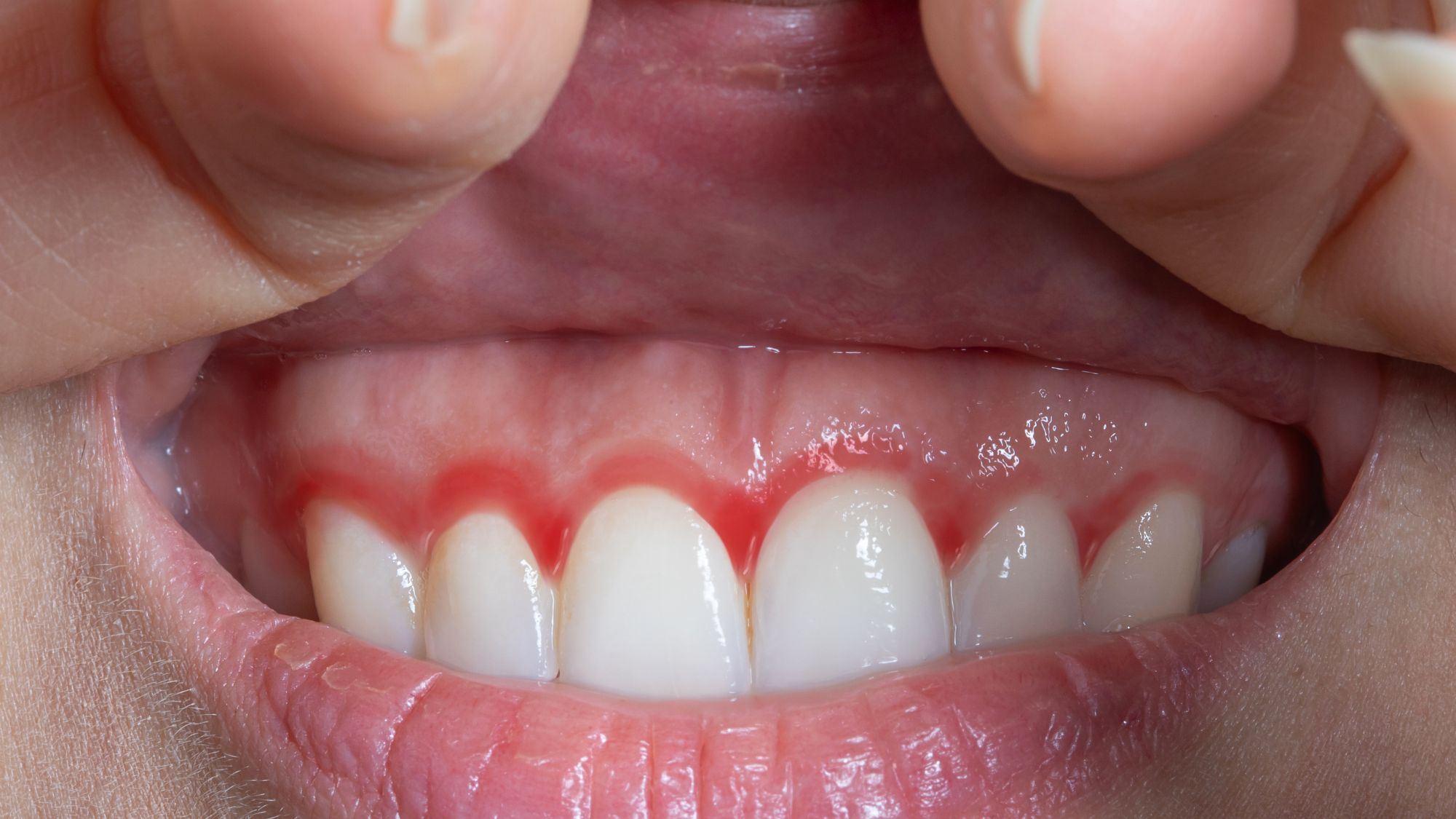
Pregnancy results in numerous changes in the body; however, the effects on oral health are often overlooked. A major concern for many pregnant women is that they notice bleeding gums during brushing or flossing, even if they have not made any significant changes in their daily habits. This may be a surprise to women who have never had gum problems before.
Nevertheless, bleeding gums during pregnancy is a recognized medical condition that results from hormonal and inflammatory responses that affect the gums. Although bleeding gums during pregnancy may be a minor problem that resolves on its own, it is not a normal part of pregnancy that needs to be taken into consideration.
This guide provides information on bleeding gums during pregnancy, including signs and risks, as well as the best dental care practices to help prevent gum problems.
Why Do Gums Bleed During Pregnancy?
Pregnancy creates a unique environment in the body that can make the gums more susceptible to inflammation. Several biological and lifestyle factors contribute to bleeding gums during pregnancy. Understanding these causes helps expectant mothers take preventive steps early.
The Hormone Surge: Your body is pumping out a lot more progesterone and estrogen. These hormones are great for your baby, but they also make your gum tissue more sensitive. Think of it like a “hair-trigger” response: your gums are now much quicker to get irritated by the everyday plaque that lives in everyone’s mouth.
Pregnancy Gingivitis: Just a fancy term for inflamed gums caused by those hormone spikes. When plaque sits on your gumline, your body overreacts, leading to puffiness, redness, and occasional bleeding.
The Blood Flow Factor: Your body is working overtime to circulate blood. Your gums are getting a lot more of it than usual. This makes them fuller, softer, and more prone to minor nicks from your toothbrush or floss.
Changes in Oral Hygiene Routine: Let’s be real, pregnancy is exhausting. Between morning sickness, fatigue, and general routine, your normal dental routine might be the last thing on your mind. If you miss a night of flossing, the plaque builds up, and the next time you brush, your gums let you know they aren’t happy about it.
The Morning Sickness Cycle: If you’ve been dealing with vomiting, you’re exposing your mouth to stomach acid. This acid is pretty harsh on delicate gum tissue. It’s a double whammy: it can weaken your enamel and make your gums feel raw and sensitive.
Signs and Symptoms That Often Accompany Bleeding Gums
While bleeding is the most common indicator, your gums may show other signs that they need a little extra care:
- Bleeding: Noticeable blood on your toothbrush or after using floss.
- Red, swollen, or tender gums: The tissue may look puffier or feel “sore” to the touch.
- Gum sensitivity: You might feel discomfort when eating hot or cold foods.
- Persistent bad breath: Bacteria trapped in inflamed gum pockets can cause an unpleasant taste or odor.
- Mild gum swelling: You may notice a slight puffiness around the edges of specific teeth where plaque has collected.
Are Bleeding Gums During Pregnancy Dangerous?
Minor bleeding is temporary and, in some cases, can be managed through normal hygiene practices. However, inflammation must never be underestimated. Unless gingivitis is properly treated and not left to progress, it may lead to periodontitis. Periodontitis is an even more severe form of gum disease that attacks the bone that supports your teeth.
Most importantly, there is a body of evidence that suggests that severe periodontal diseases can cause adverse pregnancy outcomes such as premature births and low birth weights. While these outcomes should not be a cause for alarm at the moment, they should be a strong reason for gum disease treatment in Livingston.
Dental Care Tips to Prevent Bleeding Gums During Pregnancy
Maintaining good oral hygiene during pregnancy is the most effective way to reduce gum bleeding and prevent gum disease. Small daily habits can significantly improve gum health and reduce inflammation.
- Brush Gently but Thoroughly: Use a soft-bristled toothbrush. You don’t need “hard” bristles to remove plaque. Gentle, circular motions along the gumline with appropriate toothpastes are the most effective way to clean without causing additional trauma to sensitive, swollen tissues.
- Floss Daily: Flossing is non-negotiable. It removes the plaque between teeth that your toothbrush simply cannot reach. If your gums bleed, keep going gently; the bleeding is a sign of inflammation that needs to be cleared, not a reason to stop.
- Antimicrobial mouthwash: An alcohol-free option can help reduce bacteria in your mouth. This can help reduce the inflammation.
- Nutrient-rich pregnancy diet: Your gums require nutrients to stay healthy. Eat foods rich in Vitamin C, calcium, and folate. Try to avoid sweet sticky foods as they are more likely to provide the bacteria causing the inflammation with nutrients.
- Hydration: Drink plenty of water throughout the day. This will help your mouth produce saliva. Saliva is your mouth’s own way of cleaning your mouth.
- Rinse your mouth: If you have morning sickness, do not brush your teeth immediately. This is because your teeth have been weakened by the acid. Rinse your mouth with water, or with a mixture of 1 teaspoon of baking soda in 1 cup of water. Wait 30 minutes before brushing.
Talk to Your Dentist Today
While it may be unsettling to notice blood in your floss, it is worth remembering that pregnancy-related gum changes are common and can be managed with the right daily routines. By following a gentle brushing routine, daily flossing, and staying hydrated, you are taking active steps to ensure your oral health and your baby’s.
You are not alone in these pregnancy-related oral health changes. To get personalized advice and care, you can contact The Honest Crown for your oral health needs. We strongly recommend you schedule a visit with us today!