Healthy gums are a very important part of good oral health. Many people don’t pay attention to the early stages of gum problems, and they get worse until they become a problematic disease, and then you have to go for painful treatment. You may take it easy, but gum disease is one of the most problematic dental conditions and can require a long healing process if left untreated. But if you go for early detection and treatment, you can save yourself from painful treatment and long-term problems.
A trusted dentist can diagnose these problems and explain that they begin with a mild inflammation that is initially painless. Early identification of gum problems can be a big relief for your health because oral health is connected to your other systems. If oral health is good, then your body will function well; otherwise, you will feel uneasy all the time.
Fortunately, gum disease can be treated and reversed when caught early with good home care, routine dental checkups, and improved oral hygiene.
What is Gum Disease?
Are you thinking what gum disease is? Gum disease is an infection of the gums. It also affects the gum tissue around the teeth. Typically begins at the gumline. It affects the areas where plaque and bacteria accumulate. If plaque is not removed, it can develop into tartar, which can irritate the gums and cause swelling.
There are two phases of gum disease:
- Gingivitis: It is the early stage – Causes redness and irritation.
- Periodontitis: a more advanced stage of gum disease that can damage the bone and lead to tooth loss.
It is important to detect symptoms early, as treatment is easier before the disease advances.
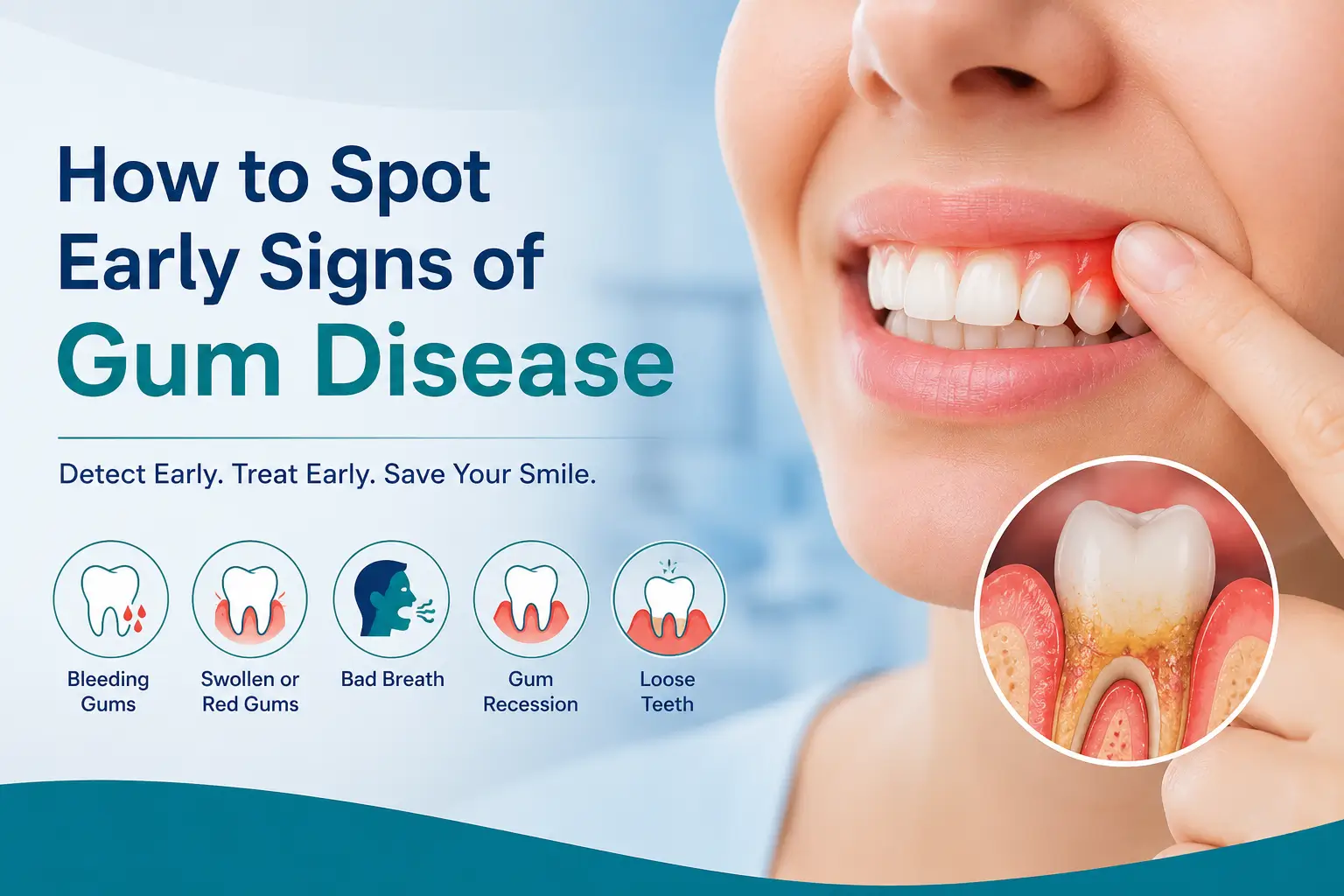
Bleeding Gums While Brushing or Flossing
Bleeding gums are considered the earliest and most common signs of gum disease. Bleeding from the gums or teeth is not normal and should not occur during brushing or flossing.
Also, if you see pink or red spots in the sink after brushing, it could mean the gums are inflamed from plaque. Some people neglect their bleeding gums because they don’t feel any pain.
A Dentist in Livingston can provide guidance on the warning signs of gum disease and recommend regular cleanings to reduce gum inflammation and eliminate plaque before it becomes an issue.
Red, Swollen, or Tender Gums
Normal gums should be strong, but not tough, and a healthy pink. Red, swollen, and sensitive gums can be a sign of bacterial irritation.
Gums may be tender to biting, brushing, or touching. Others also find that their gums are shiny or swollen around some of their teeth. This inflammation is your body’s reaction to an infection. Bacteria may penetrate deeper into the gums if left untreated, making them more difficult to treat.
Regular Bad Breath
Chronic bad breath that won’t go away after brushing or rinsing your mouth with mouthwash could be associated with gum disease. The bacteria under the gums produce smelly gases that may continue all day.
Many individuals try to mask unpleasant breath by chewing gum or mint candies. However, this is a short-term relief. If the smell continues, it could indicate that bacteria and infection are developing around the gums.
Gum Recession
Are your teeth now longer than they used to be? Another early sign of gum disease is receding gums.
As the gums begin to separate from the teeth, small pockets form, ideal for bacteria to accumulate. This may expose the tooth roots and make cavities and infections more active.
Some people may not notice the effects of gum recession in its early stages, especially if it occurs gradually. Eating hot, cold, or sweet foods may also cause sensitivity.
A highly trained dentist in Livingston can investigate the causes of gum recession and recommend appropriate treatment before the condition worsens.
Loose tooth or Changes in eating pattern
Gum disease can ultimately lead to bone and tissue loss, making your teeth more sensitive. This can lead to the teeth loosening. Some people have wider gaps between their teeth than before. Others might have discomfort in chewing. These symptoms should not be ignored, as they may indicate more serious periodontal disease that needs to be addressed.
Feeling pain while chewing
If you experience pain or discomfort when chewing, it could indicate gum issues. Gum inflammation and tooth infections can cause pressure and sensitivity when eating.
An early dental examination will determine whether the pain is associated with gum disease, decay, or another dental problem.
Risk Factors That Increase Gum Disease
You’re more likely to develop gum disease if you have the following risk factors:
- Poor oral hygiene
- Smoking or use of tobacco
- Diabetes
- Stress
- Hormonal changes
- Dry mouth
- Poor nutrition
- Skipping dental cleanings
Gum disease can develop in individuals who brush their teeth every day but don’t remove plaque from the inner areas of the mouth.
How to Prevent Gum Disease
The key to preventing gum disease is routine and proper oral care. Here are some major points:
1. Brush Properly Twice a Day
Gently brush around the gum line with a soft toothbrush and fluoride toothpaste. Brushing too hard will harm the gums rather than improve them.
2. Floss Daily
Flossing removes food particles and plaque where a toothbrush cannot reach.
3. Get regular check-ups from your dentist.
Regular cleanings and checkups are important because dentists can detect signs before they become serious.
4. Avoid your Smoking habits
When you smoke, your gum tissues become weak, making gum disease more difficult to treat.
5. Eat a Balanced Diet
A diet rich in healthy foods, including vitamins and minerals, promotes healthy gums and oral health.
What is the best time to visit the dentist?
While many people don’t seek treatment for gum disease until it causes pain, it is always better to see a doctor at an early stage. If you notice any of the symptoms discussed, see a dentist in Livingston as soon as possible, such as bleeding gums, swelling, bad breath, or gum recession.
A skilled Dentist in Livingston can examine your gums, remove plaque, and develop a treatment plan tailored to your condition.
Final Thoughts
Gum disease often develops gradually, but there are signs and symptoms to look for. When gums bleed, cause bad odors, or swell or recede, they are signs one should not ignore. Proper gum care is an essential aspect of oral hygiene and good overall health.
The health of your gums is essential to your smile, and even small changes can have a huge impact over time.