
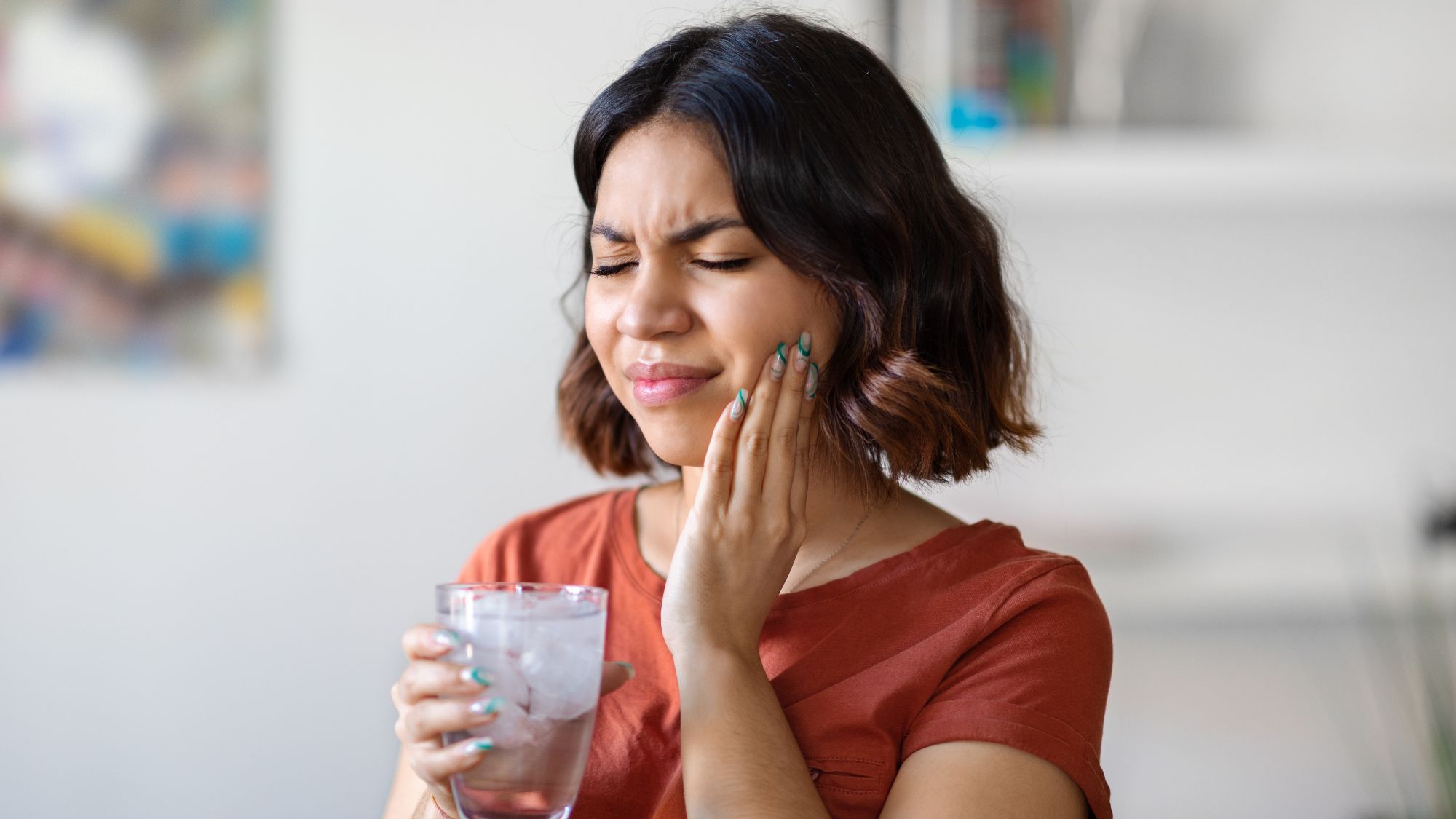
The transition from “I love my new smile” to “I can’t breathe through my mouth” happens fast. This sudden discomfort often leads to a frantic Google search because, unlike a dull ache, whitening sensitivity feels sharp and urgent. Sensitivity after teeth whitening is considered a normal and expected side effect. Most cases are categorized as transient sensitivity, meaning it is temporary and self-correcting.
This article explains how teeth sensitivity occurs, how long it typically lasts, when it’s a concern, and practical ways to ease discomfort, backed by clinical evidence.
Why Teeth Whitening Causes Sensitivity
Whitening isn’t like scrubbing a floor; it’s a chemical reaction. Professional and over-the-counter products use peroxide (hydrogen or carbamide) to penetrate the tooth.
Opening the Pores: Your enamel is composed of hydroxyapatite crystals with microscopic pores. The teeth whitening agent opens these pores to reach the discoloured molecules inside.
Exposing Dentinal Tubules: Beneath the enamel is the dentin, which contains thousands of microscopic channels called dentinal tubules. These lead directly to the tooth’s nerve (the pulp).
Nerve Stimulation: When the peroxide opens the enamel pores, these tubules become exposed. Cold air or liquid can then travel down these tunnels and stimulate the nerve, causing that sharp flash of pain.
Temporary Dehydration: Whitening agents temporarily draw moisture out of the tooth. As the tooth tries to rehydrate itself through the saliva, the internal pressure changes, which the nerve perceives as pain.
According to the Journal of the American Dental Association (JADA), peroxide penetration into the pulp chamber can trigger a mild, reversible inflammatory response in the nerve, which is the primary driver of post-treatment sensitivity.
How Long Does Sensitivity After Teeth Whitening Last?
Understanding the timeline helps manage the psychological stress of the pain. Here’s the realistic timeframe based on dental research and clinical observations:
Mild Sensitivity (1–3 Days): This is the “standard” experience. You might feel a sting when drinking ice water or eating citrus. It should peak on Day 1 and decline by Day 3.
Moderate Sensitivity (Up to 1 Week): Often occurs with high-concentration “in-chair” treatments. The discomfort is more frequent but still triggered by external factors.
Rare/Prolonged Cases: If sensitivity persists beyond 10 days, it usually indicates that the teeth whitening agent has exacerbated a pre-existing condition, such as a leaking filling or a localized area of severe enamel wear.
Signs Your Sensitivity Is Temporary
There are occasions where persistent sensitivity is more than just a normal reaction. If you notice any of the following, it’s important to seek professional evaluation:
It’s Triggered, Not Spontaneous: The pain only happens when you do something (drink cold water, breathe through your teeth). It doesn’t just start throbbing while you’re watching TV.
Short Duration: The zing lasts only a few seconds.
Daily Improvement: Every morning, you wake up feeling 10–20% less intense than the day before.
Healthy Gums: Your gum tissue remains pink and firm, without bleeding or white spots.
Warning Signs That May Indicate a Serious Issue
While rare, complications can happen. You should move from “monitoring” to “acting” if you notice:
- Spontaneous Throbbing: A dull, heavy ache that occurs without any trigger.
- Soft Tissue Damage: Your gums look white, shrivelled, or are bleeding (this is a chemical burn).
- Localized Pain: If only one specific tooth hurts while the others are fine, that tooth may have a compromised seal or a cavity.
- Pain When Chewing: Teeth whitening sensitivity is usually thermal (hot/cold), not mechanical (pressure). Pain when biting down suggests a different dental problem.
When It’s Actually Serious: The Red Flags
Sometimes, the pain isn’t just a side effect; it’s a warning. You should stop all whitening and call a professional if you see or feel the following:
Chemical Burns: If your gums look white, shrivelled, or like they have peeling skin, the gel was too strong, or the tray didn’t fit.
Spontaneous Aching: If the pain is a dull, heavy throb that won’t stop even when you aren’t eating or drinking.
One-Tooth Wonder: If only one specific tooth hurts while the rest feel fine. This usually means that one tooth has a cavity or a failing filling, and that the bleach leaked into it.
Long-Term Sensitivity: If you’re on day 10 and still can’t drink room-temperature water without a zing.
When to Call a Dental Professional
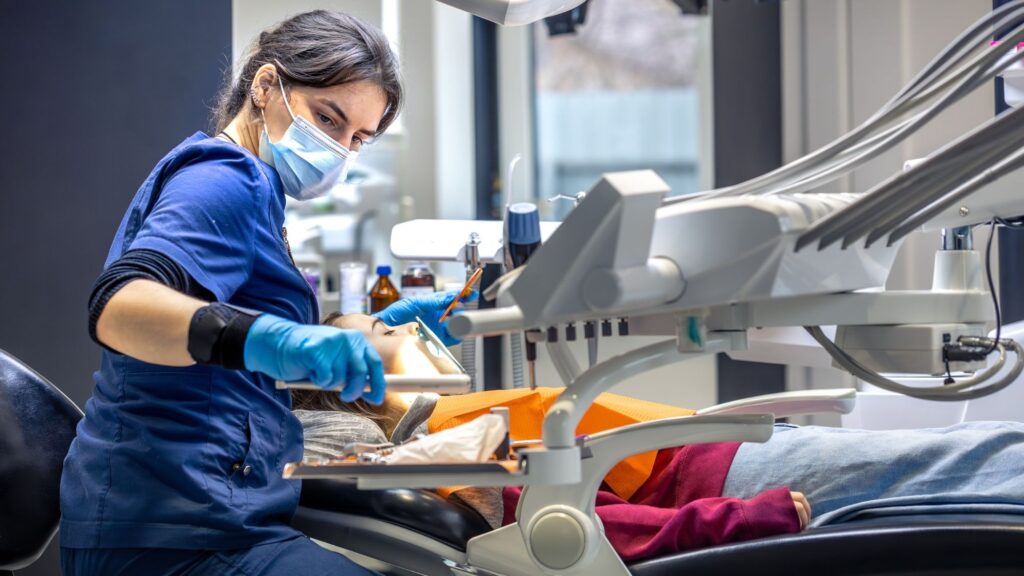
Even though mild sensitivity after professional teeth whitening is normal, there are times when it’s worth checking in with a dentist. If the pain feels sharp, constant, or just isn’t easing after several days, it could mean something more is going on beneath the surface. Swelling, bleeding gums, or discomfort when you bite or chew are all signs that it’s time to get a professional opinion rather than waiting it out.
Reaching out to a dentist is just a quick way to make sure your teeth and gums are healthy and that nothing serious is happening. Even if the sensitivity proves temporary, knowing for sure can give you peace of mind and help you enjoy your brighter smile without worry.
Conclusion
Most teeth whitening pain is just your teeth being cranky because they’re dehydrated and exposed. In 90% of cases, you’ll be back to eating ice cream within 72 hours. By keeping an eye on your symptoms and using the right desensitizing tricks, you’ll likely be back to normal within a few days. However, if the pain feels “off” or lingers too long, don’t just tough it out.
Your oral health is the priority here. If you’re feeling unsure or the sensitivity isn’t fading, let a professional take a look to rule out any underlying issues. The Honest Crown is here to ensure your whitening journey stays safe and pain-free. Schedule a visit for a quick sensitivity check-up!