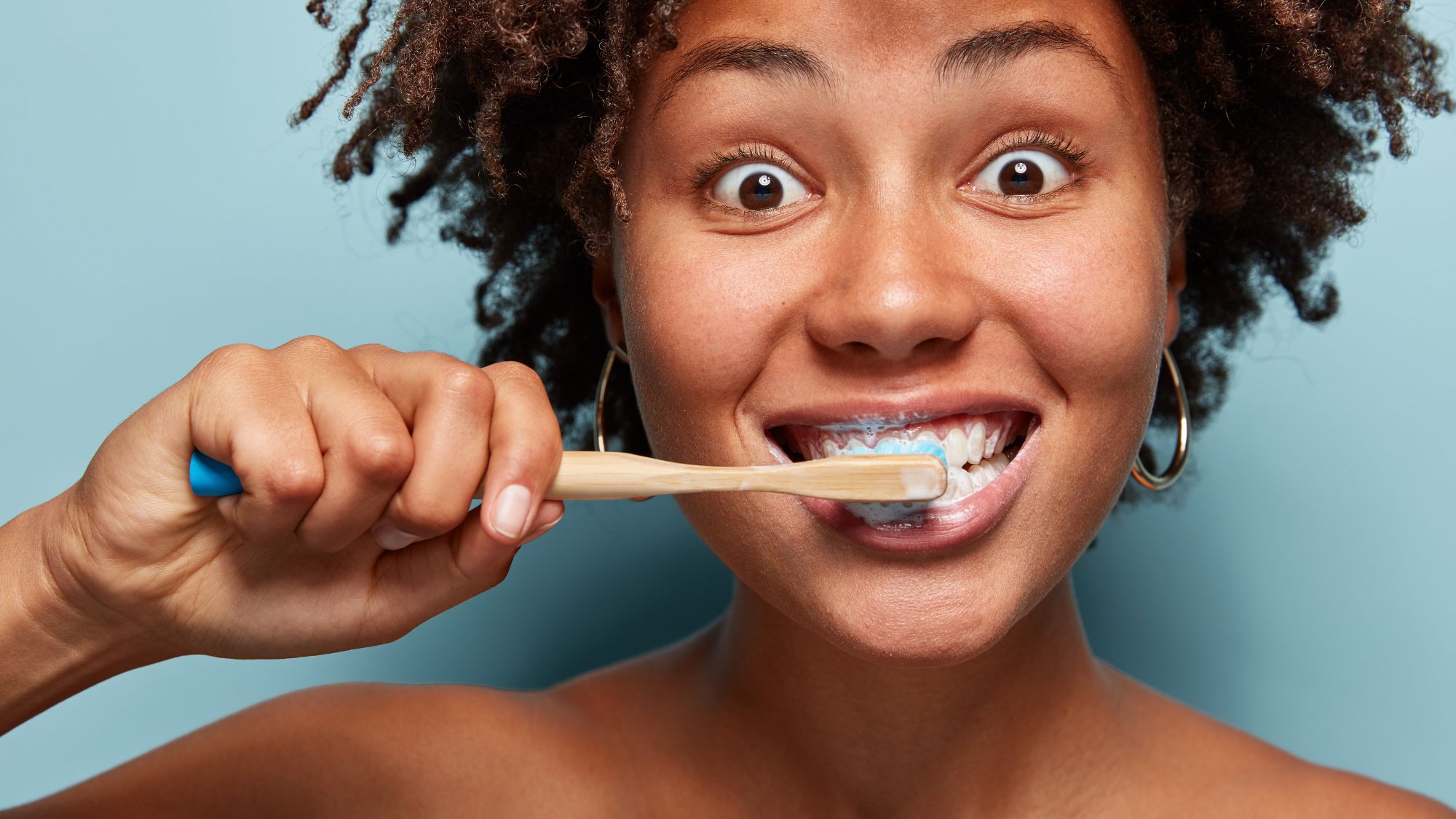
You brush your teeth every day, but sometimes you still notice bleeding gums, plaque buildup, or tooth sensitivity, and it can be really discouraging. The problem isn’t always your brushing technique; it could be the toothbrush you’re using. The right toothbrush can make a huge difference by protecting your enamel, keeping your gums healthy, removing plaque effectively, and giving you a fresher, brighter smile.
In this blog, we’ll explain how the right toothbrush affects your oral health and share tips to help you choose the best one for your needs.
Common Problems Caused by Using the Wrong Toothbrush
Many people believe that harder is better when it comes to scrubbing. However, your mouth isn’t a kitchen floor. A brush with hard bristles or a brush head that is too large for your jaw can cause a number of problems:
- Gingival Recession: The gums can actually be pushed back by the hard bristles, exposing the root surface.
- Enamel Erosion: The hard-brushing action with hard bristles wears away enamel. This causes the dentin to show through and gives the teeth a yellowed appearance.
- Incomplete Plaque Removal: A brush head that is too large can’t reach the curves of the lingual surfaces or the back sides of the wisdom teeth, leaving them susceptible to decay.
Benefits of Choosing the Right Toothbrush
It’s frustrating to brush every day and still struggle with sore gums, sensitivity, or plaque. Choosing the right toothbrush can make a real difference, helping you feel confident, comfortable, and truly in control of your oral health.
Improves Plaque Removal and Reduces Cavities
The effectiveness of a toothbrush is measured by its “reach” and its “filament” quality. High-quality, soft-bristled brushes with multi-level or tapered bristles are engineered to penetrate the interproximal spaces (the gaps between teeth) where 80% of cavities start. When you use a brush tailored to your mouth’s size. You ensure that no surface is left untouched by the bristles’ mechanical action.
Research published in the Journal of Clinical Periodontology indicates that powered toothbrushes. Particularly those with an oscillating-rotating action, provide a statistically significant reduction in plaque and gingivitis compared to manual brushing in both the short- and long-term.
Prevents Gum Irritation and Bleeding
Bleeding gums are a distress signal. While often a sign of early gingivitis, bleeding is frequently exacerbated by “mechanical trauma” from poor toothbrush choice. A brush with end-rounded bristles is essential. The cheaper, lower-quality brushes may have “shaved” bristles with jagged edges that cause microscopic tears in the gum tissue, which are ripe for infection and inflammation.
Promotes Healthy Gums and Reduces Inflammation
Healthy gums are firm and pale pink. Proper brushing stimulates the gum tissue, increasing blood flow to the area and helping fight infection from oral bacteria. With a soft-bristled brush and the proper modified Bass brushing technique (brushing at a 45-degree angle towards the gum line). You can effectively remove sub-gingival plaque without irritating the gums or causing inflammation.
Prevents Damage to Tooth Enamel
The hardest substance in the human body is the tooth enamel, which is not indestructible. It is also very prone to abrasion. In the event that you are using a soft-bristle brush, it will not damage the enamel surface of your teeth. This is particularly relevant to individuals who consume acidic foods (including coffee and citrus fruits). These foods soften the enamel, making it more vulnerable to abrasion.
Enhances Fresher Breath and Reduces Smell
Volatile Sulfur Compounds (VSCs) emitted by bacteria in the back of the tongue and between teeth are commonly blamed for causing bad breath (halitosis).
A toothbrush with a built-in tongue scraper or one that is slim enough to reach the back of the tongue. Allows you to clean the area where most odor-causing bacteria are found without triggering a gag reflex.
The Journal of Natural Science, Biology, and Medicine states that mechanical tongue cleaning significantly reduces levels of odor-producing bacteria, a critical component of treating halitosis.
Boosts the Effectiveness of Your Daily Oral Care Routine
If your toothbrush is comfortable to hold and easy to maneuver, you are more likely to brush for the recommended two minutes. Ergonomic handles with non-slip grips improve dexterity, ensuring you can maintain the proper angle even in hard-to-reach corners. This psychological ease turns a chore into a seamless habit.
Helps Reach Hard-to-Clean Areas
The distal surface of the last molars is the most commonly missed spot in the human mouth. A toothbrush with a tapered or compact head allows the user to navigate the narrow space between the cheek and the back teeth. Without this access, the plaque builds up and becomes tartar (calculus), which can only be removed by a professional.
Reduces Risk of Tooth Sensitivity
Dentin hypersensitivity occurs when dentinal tubules are exposed. By selecting a toothbrush that will not cause gum recession and enamel recession, you are effectively protecting the “insulation” around your teeth. For those who already experience sensitivity, extra-soft sensitive brush heads are designed for a gentle clean without irritating exposed nerves.
Promotes Overall Oral Health for Long-Term Health
The mouth is the entryway to the body. Chronic inflammation in the mouth has been linked to other systemic diseases, such as cardiovascular disease and diabetes. You are not only saving a tooth but also reducing the overall inflammatory burden on your entire body.
Mayo Clinic points out that your oral health reflects your overall health. Maintaining it with proper tools and techniques can help prevent complications from other health issues.
Confidence Builder with a Brighter and Cleaner Smile

There is a certain psychological benefit to having a dentist-clean feeling. A toothbrush that removes surface stains from coffee, tea, and other foods will help maintain your teeth’s natural whiteness. When your mouth feels clean and your teeth look shiny, you will smile more and with greater ease.
Conclusion
Selecting the right toothbrush is one of the easiest ways to take care of your teeth, ensure healthy gums, and feel confident about your smile. The right toothbrush can make your daily routine more efficient, reduce sensitivity, and prevent future problems. Remember, proper care and proper tools are not mutually exclusive. Take control of your oral health today and experience the difference. Contact The Honest Crown to schedule an appointment and discover the right toothbrush for you.