
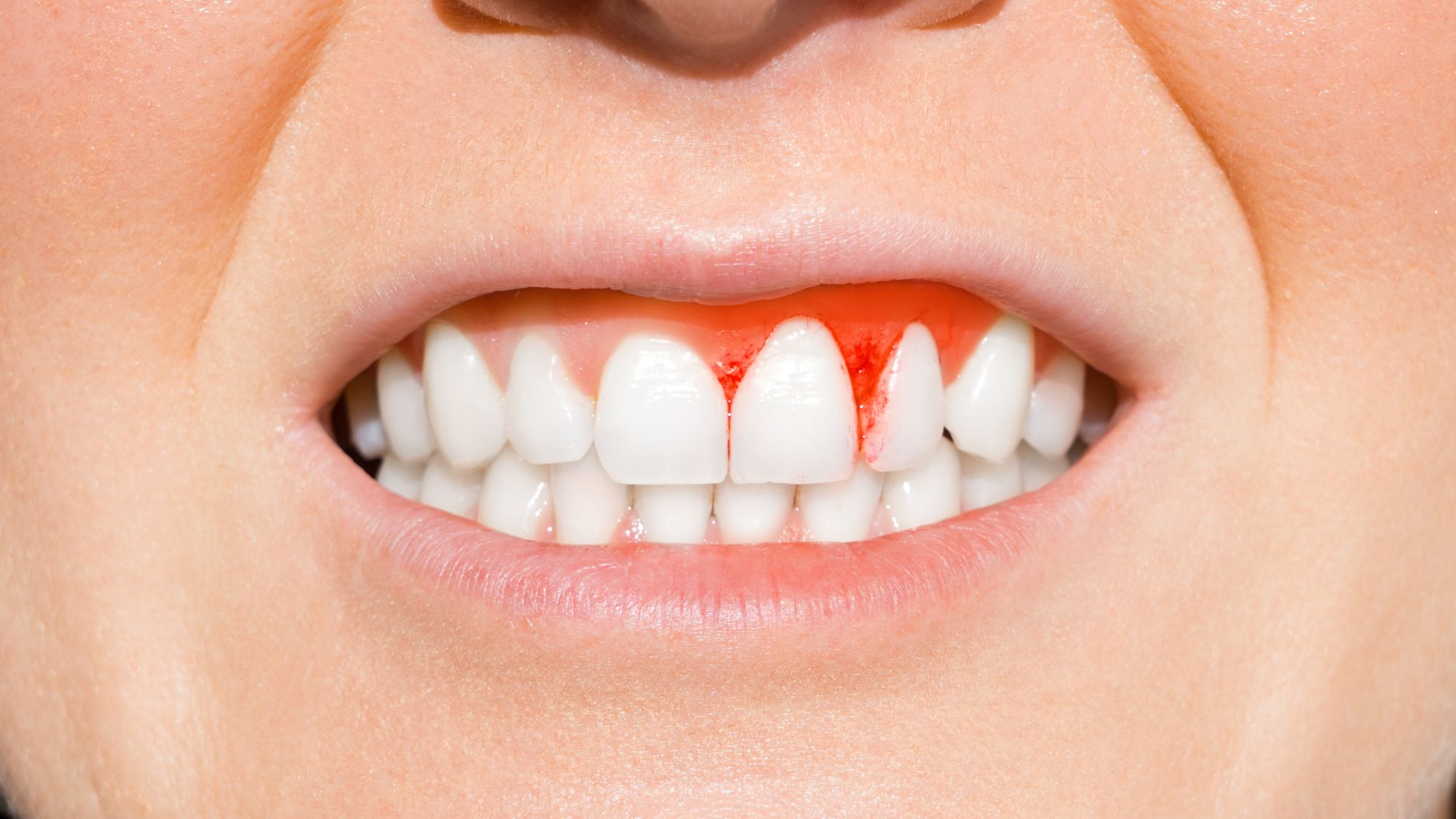
Bleeding gums are one of the earliest and most common signs of gum inflammation. Many people assume they are brushing too hard. In reality, consistent bleeding often signals plaque buildup along the gumline, early-stage gingivitis, nutritional deficiencies, or systemic inflammation.
Gums rely on oxygen, nutrients, collagen production, and proper blood clotting to stay healthy. When your diet lacks essential vitamins and anti-inflammatory compounds, your gum tissue becomes fragile, swollen, and more likely to bleed. The encouraging news? Diet is a very powerful, scientifically proven way to heal gums. Although brushing and flossing are still necessary, some foods can help reduce inflammation, strengthen connective tissue, and promote the body’s natural healing processes.
Here are eight scientifically proven foods that can help alleviate bleeding gums and promote overall gum health.
1. Leafy Greens (Spinach, Kale, Lettuce)
Leafy greens are perhaps the most essential food group for periodontal health. They are very rich in Vitamin K, a fat-soluble vitamin that is essential for blood coagulation. If you are deficient in Vitamin K, even minor irritation from a toothbrush can lead to excessive bleeding because the blood cannot clot efficiently at the site of the micro-trauma.
Furthermore, greens like spinach are rich in folate (Vitamin B9). Folic acid is essential for DNA repair and the growth of new cells, both of which are vital for the constant remodeling of gum tissue. High consumption of leafy vegetables creates a more alkaline environment in the mouth, which discourages the growth of acid-loving bacteria that lead to decay.
A study published in the Journal of Clinical Periodontology indicates that a diet high in nitrate (found abundantly in leafy greens) can significantly reduce gingival inflammation.
2. Citrus Fruits (Oranges, Lemons, Grapefruit)
While we often think of Vitamin C as an immune booster for the common cold, its primary role in the mouth is collagen synthesis. Your gums are composed largely of collagen fibers that hold your teeth securely in place. When Vitamin C levels are low, these fibers weaken, making the gums spongy and prone to bleeding (a mild version of scurvy).
Citrus fruits provide the high-dose Vitamin C needed to strengthen the capillary walls in the gingival tissue. However, because citrus is acidic, it is best to eat it with meals rather than snack on it throughout the day to prevent enamel erosion.
Research in the American Journal of Clinical Nutrition found that individuals with low Vitamin C intake had higher risks of periodontal disease and increased gingival bleeding.
3. Fatty Fish (Salmon, Sardines, Mackerel)
Bleeding gums are almost always a symptom of inflammation. Chronic inflammation in the mouth destroys the attachment between the gum and the tooth. Fatty fish are the premier source of Omega-3 fatty acids (EPA and DHA), which are natural anti-inflammatories.
Omega-3s work by inhibiting the production of pro-inflammatory cytokines. In simpler terms, they tell your immune system to calm down, reducing the swelling and redness that make gums fragile. Regular consumption of salmon or mackerel acts as a systemic anti-inflammatory treatment for your entire mouth.
A study in BMC Oral Health found that omega-3 fatty acids can be an effective adjunct therapy for periodontitis by reducing inflammation.
4. Dairy Products (Yogurt, Milk, Cheese)
Dairy serves a dual purpose for oral health. First, it is rich in calcium and phosphorus, which are the minerals required to remold the jawbone that supports your gums. Second, fermented dairy like yogurt contains probiotics, the good bacteria.
By taking probiotics, you are maintaining the balance of your oral microbiome. The good bacteria compete with the bad ones (Porphyromonas gingivalis) that cause gum disease. Moreover, cheese contains a protein called casein, which forms a shield around your teeth, helping protect them from the acid produced by plaque.
According to the Journal of Periodontology, eating dairy products, especially those with lactic acid, is linked to a reduced incidence of deep periodontal pockets.
5. Green Tea
Green tea is more than just a relaxing drink; it is a potent medicinal agent for your gums. It is rich in catechins, particularly EGCG, which are antioxidants with strong antimicrobial properties.
Drinking green tea regularly helps kill the bacteria that form plaque at the gum line. It also interferes with the body’s inflammatory response to periodontal bacteria. Which means even if you have some plaque, your gums are less likely to react by swelling and bleeding.
A research paper published in the Journal of International Oral Health demonstrated that for every one cup of green tea consumed daily. There was a significant reduction in three measures of periodontal disease: probing depth, clinical attachment loss, and bleeding on probing.
6. Crunchy Vegetables (Carrots, Celery)
Crunchy vegetables like carrots and celery are also known as “nature’s toothbrushes.” The high fiber in vegetables needs a lot of chewing, and this has two major functions:
Mechanical Cleaning: The rough fibers of vegetables physically remove loose plaque and food particles from the gum margin.
Stimulating Saliva Production: Chewing stimulates the salivary glands. Saliva is the body’s natural defense mechanism in the mouth and contains enzymes and minerals that help neutralize acid and repair damaged tissues.
The British Dental Journal explores the importance of dietary fiber and chewing in maintaining salivary flow and clearing pathogenic bacteria from the mouth.
7. Nuts and Seeds (Almonds, Chia Seeds, Flaxseeds)
Nuts and seeds are rich sources of essential nutrients that are often absent from contemporary diets. Almonds are rich in calcium, while chia and flaxseeds are rich in plant-based Omega-3 fatty acids. The most important contribution of nuts to gum health is their Magnesium content. Magnesium helps the body manage inflammation and is essential for bone density. Since the gums are supported by the alveolar bone. Maintaining bone health is a prerequisite for preventing gum recession and bleeding.
Research in the Journal of Dental Research suggests that magnesium supplementation and high dietary intake are associated with reduced tooth loss and better periodontal health.
8. Turmeric
Turmeric contains a bioactive compound called curcumin, which has been used for centuries in traditional medicine for its healing properties. In oral health, curcumin is a potent antimicrobial and anti-inflammatory agent.
Recent dental trends have seen the use of turmeric-based gels to treat gingivitis. Adding turmeric to your diet helps lower systemic inflammation. Making your gum tissue more resilient against the bacteria that cause bleeding.
A comparative study in the Journal of Indian Society of Periodontology found that turmeric mouthwash was as effective as chlorhexidine (a prescription medical rinse) in preventing plaque and gingivitis.
Final Thoughts
Bleeding gums are often your body’s early warning sign that something needs attention. The good news is that making a few diet changes can make a big difference. Foods that are high in vitamin C, vitamin K, calcium, and omega-3 fatty acids will help your gums heal and stay healthy. When you maintain a healthy diet and practice good oral hygiene, you have a strong foundation for healthy gums. If your gums are still bleeding, you should schedule an appointment with The Honest Crown.