
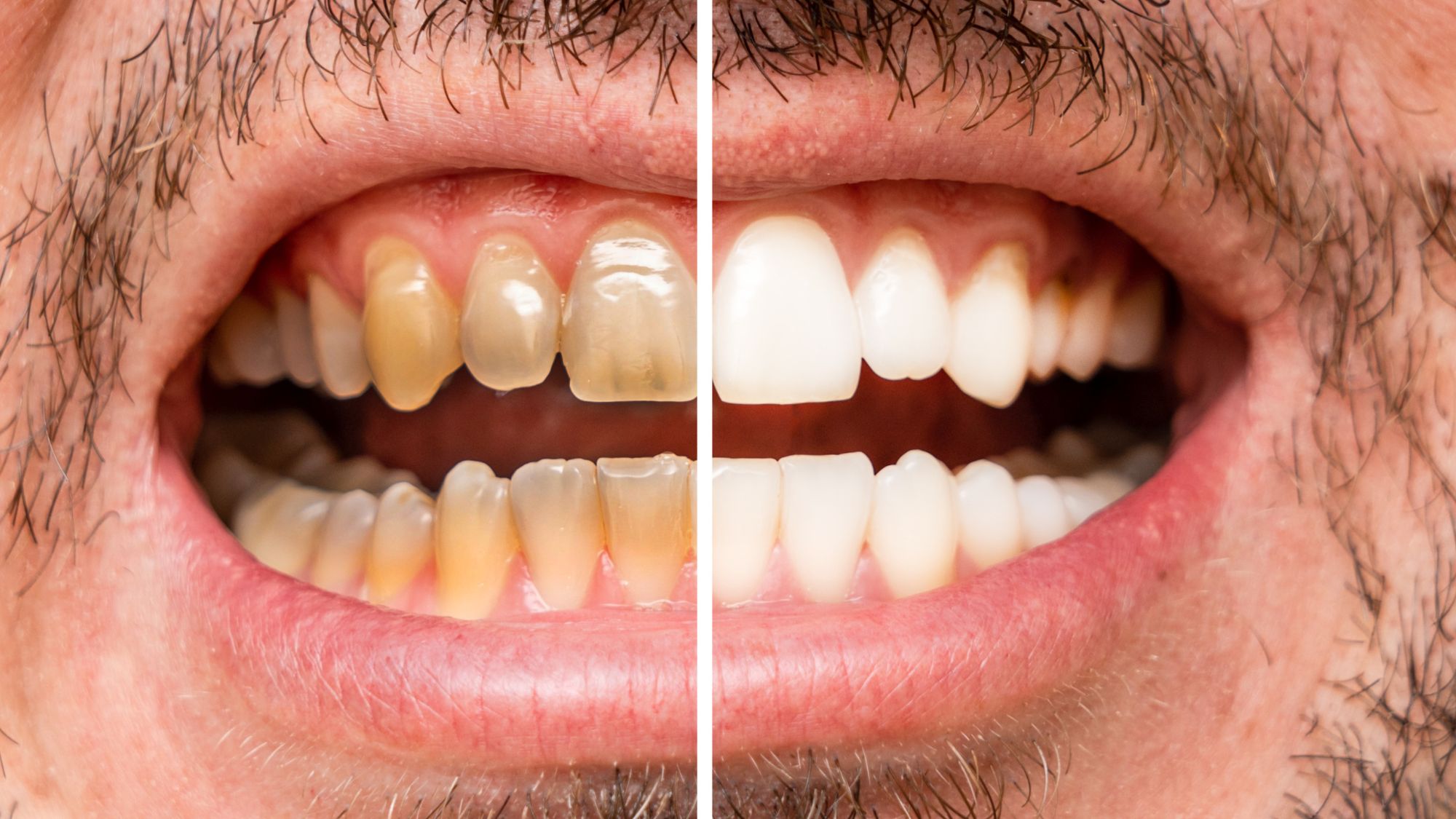
You catch your reflection in natural light and notice your teeth don’t look as bright as they used to. Maybe they appear slightly yellow. Maybe there are faint brown edges near the gums. And the frustrating part? You brush every day.
If you’ve been searching for how to prevent tooth discoloration, you’re not alone. The good news is that tooth discoloration is often preventable. You don’t need to eliminate your favorite foods. You just need to understand which items stain teeth and how to protect your enamel from daily exposure.
In this guide, we will break down the science of staining and provide a professional, actionable roadmap to preventing discoloration before it starts.
Top Foods That Stain Your Teeth
Not all foods are created equal when it comes to your smile. Some carry sticky pigments, while others use acidity to prime your teeth for staining.
Dark Berries (Blueberries, Blackberries, Cherries)
Whereas berries are a powerhouse of nutrients and antioxidants, they also contain high amounts of anthocyanins. These compounds are very powerful and have a deep purple-blue color. If you’ve ever noticed how blueberries can stain a wooden cutting board, try to imagine that same compound lodged in the microscopic pores of your teeth.
Tomato-Based Sauces
Tomatoes are a two-fold threat: they are very acidic and very colorful. The acidity of the tomato sauce temporarily softens the enamel, allowing the strong red chromogens to bind easily to it. This is why your teeth may feel “fuzzy” or appear to be stained after a big pasta dinner.
Soy Sauce & Balsamic Vinegar
These liquids are highly concentrated. Balsamic vinegar, specifically, is both dark and sticky. It clings to the teeth and, because of its acidity, can cause pigments to penetrate more deeply than thinner liquids would.
Curry (The Turmeric Factor)
Curry is perhaps the most aggressive stainer in a modern diet. The culprit is turmeric, a spice with an intense yellow-orange pigment. Turmeric is so potent that it can even stain clear orthodontic aligners or white composite fillings permanently.
Beets
Beets contain betalains, the pigments responsible for their deep crimson color. Because beets are often eaten cooked and soft, their juices easily coat the entire oral cavity, leading to significant surface tooth discoloration if not addressed.
Research published in the Journal of Dentistry indicates that the combination of high pigment density and low pH (acidity) significantly increases the rate of enamel chromogen uptake.
Drinks That Cause the Most Tooth Discoloration
Liquids are often more dangerous for tooth color than solids because they wash over every surface of every tooth, including the hard-to-reach gaps.
- Coffee: Contains tannins (polyphenols) that break down in water and allow color compounds to stick to your teeth. Regular coffee drinkers often notice a yellowish tinge over time.
- Tea (Especially Black Tea): Many people assume tea is better than coffee, but black tea is actually more staining because it contains a higher concentration of tannins. Even herbal teas like hibiscus can cause significant tooth discoloration.
- Red Wine: The perfect storm for stains. It is acidic (weakens enamel), contains chromogens (adds color), and is loaded with tannins (acts as a glue for the color).
- Cola & Dark Sodas: These contain phosphoric or citric acid along with heavy artificial coloring. The acid creates micro-pitting on the enamel, which then traps the dark dyes.
- Sports & Energy Drinks: Even when clear, these drinks are often more acidic than soda. They erode the enamel, making the tooth thinner and allowing the yellow dentin underneath to show through more clearly.
A study by the Cleveland Clinic highlights that the tannin content in beverages like tea and wine is the primary binder that allows surface stains to become permanent.
How to Prevent Tooth Discoloration (Actionable Prevention Tips)
Preventing stains doesn’t mean you have to give up your favorite foods; it means changing how you consume them.
Smart Drinking Strategies
When drinking iced coffee, tea, or soda, use a reusable straw. This directs the liquid toward the back of the mouth, bypassing the smile zone (the front teeth). Additionally, try to finish your drink in one sitting rather than sipping it over several hours, which keeps the mouth in a constant state of acidity.
Rinse Immediately
After eating spicy foods like curry or berries, swish your mouth with plain water. This helps neutralize acids and physically washes away loose pigments before they can bond to the protein film on your teeth.
The 30-Minute Brushing Rule
It seems counterintuitive, but do not brush immediately after eating acidic foods or drinks. The acid softens your enamel; if you brush right away, you are essentially scrubbing it away. Wait 30 minutes for your saliva to naturally remineralize and harden your teeth before brushing.
Upgrade Your Brushing Routine
Invest in a soft-bristled electric toothbrush. These are more effective at removing the pellicle (the protein film) where stains live. While you may occasionally use a teeth-whitening toothpaste, ensure it has the ADA Seal of Acceptance to avoid being too abrasive.
Floss Daily to Prevent Hidden Stains
Stains often look darkest in the corners between teeth. This is where plaque accumulates and acts as a sponge for pigments. Regular flossing removes this pigment trap, keeping the edges of your teeth bright.
Schedule Professional Cleanings
Even the best home care can’t remove tartar (calculus). Tartar is porous and absorbs stains much faster than natural enamel. A professional teeth cleaning every 6 months is essential to remove these hardened deposits and polish the tooth surface.
Limit Frequency, Not Just Quantity
The mouth’s pH returns to neutral in about 20 minutes after eating. If you snack or sip all day, your teeth never have a chance to recover. Aim for “low-stain” windows by sticking to water between meals.
Strengthen Your Enamel
Healthy enamel is smoother and harder to stain. Use a fluoride-rich toothpaste to help rebuild mineral density. Staying hydrated is also key, as saliva is your body’s natural defense against acid and staining agents.
The Mayo Clinic emphasizes that saliva is the primary defense mechanism against dental erosion and staining, making hydration a critical component of oral health.
Final Thoughts
Tooth discoloration doesn’t happen all at once. It builds slowly through everyday habits, such as your morning coffee, your favorite tea, or the foods you enjoy regularly. The good news is that small, consistent changes can make a big difference. Rinsing with water, protecting your enamel, and maintaining proper oral hygiene all help keep your smile brighter for longer. If you’re noticing stains that won’t go away, the team at Care for You Dental can help. Schedule a visit today and take the next step toward a healthier, more confident smile.