
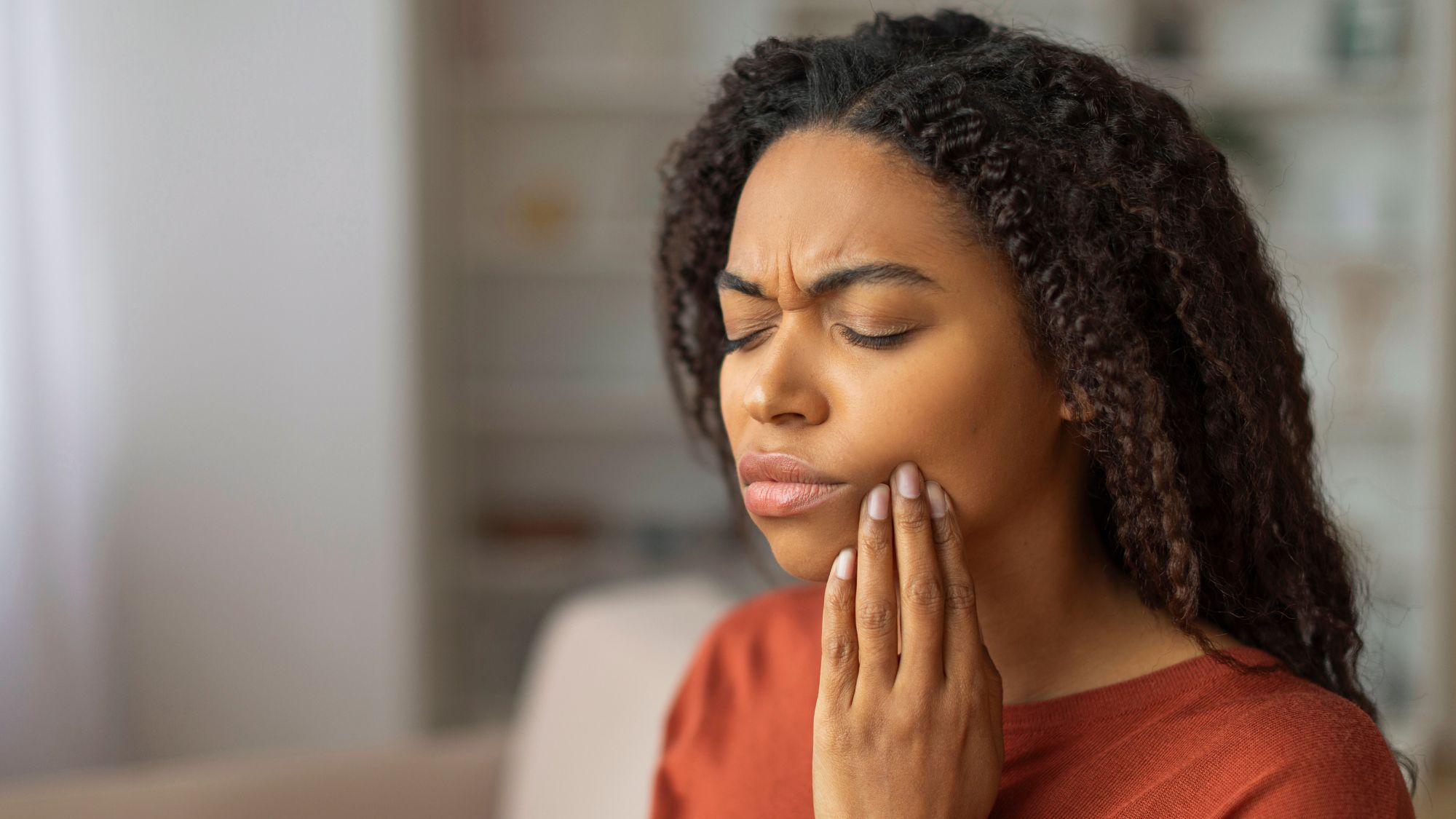
Teeth sensitivity after whitening is one of the most common side effects. It can feel alarming, especially if the discomfort is unexpected or more intense than you expected. The immediate worry most people have is whether they’ve damaged their enamel, irritated a nerve, or caused long-term harm.
In most cases, the answer is reassuring. Sensitivity after teeth whitening in Livingston is typically temporary and manageable. But understanding why it happens, how common it is, and how long it should last is essential for peace of mind and smart decision-making.
In this guide, we’ll break down exactly how serious post-whitening sensitivity really is, what’s considered normal, when it may require attention, and the safest ways to prevent it going forward. If you’re feeling that zing right now, keep reading. The clarity will help you breathe easier.
What Causes Teeth Sensitivity After Whitening?
To understand the “why” behind the pain, we have to look at the microscopic landscape of your mouth. Your teeth aren’t solid, impenetrable blocks; they are dynamic, porous structures.
How Whitening Affects Your Enamel
The active ingredients in teeth-whitening products are usually hydrogen peroxide or carbamide peroxide. These chemicals penetrate the enamel to reach the discolored particles in the dentin. To penetrate the enamel, these chemicals open its pores. This may cause a temporary loss of moisture in your enamel, making it more susceptible to temperature extremes.
Why Nerves Become Sensitive
Underneath your enamel is the dentin layer. Dentin is composed of tiny tubules that lead to the pulp, which contains the nerves. When whitening agents open these channels, fluid movement within the tubules increases, directly stimulating the nerve endings. This is what causes that signature zing when you encounter cold air or liquids.
Who Is More Likely to Experience Teeth Sensitivity?
Not everyone reacts the same way. If you have naturally thin enamel, gum recession (which exposes the even more sensitive root surface), or pre-existing micro-cracks, the peroxide can reach your nerves.
Furthermore, if you’ve recently visited a Dentist in Livingston for a check-up, they may have noted these predispositions before you even started treatment.
How Common Is Sensitivity After Teeth Whitening?
If you are currently feeling discomfort, take a deep breath. You are in the majority. Clinical data suggest that “bleaching-induced sensitivity” is an expected physiological response for most people.
Clinical Findings & Reported Statistics
Most dental trials show that sensitivity is a dose-dependent side effect. While nearly 7 out of 10 people feel pain, the vast majority categorize it as mild to moderate. It is very rare for a patient to experience pain so severe that it requires clinical intervention, provided the product was used as directed.
At-Home Whitening vs. Professional Whitening
The method you choose dictates your risk level. Over-the-counter (OTC) kits often use universal trays that don’t fit your teeth perfectly. This allows the whitening gel to leak onto the gums, causing “chemical burns” or soft tissue irritation.
Professional treatments, when using higher concentrations, are often safer because they use a custom-fitted tray or a protective barrier for the gums, ensuring that the peroxide contacts only the enamel.
Is Teeth Sensitivity a Sign of Damage?
In the vast majority of cases, no. Discomfort is a sign of irritation, not destruction. Enamel is the hardest substance in the human body. While peroxide can temporarily soften it or cause mineral loss, your saliva is incredibly efficient at re-mineralizing the tooth within hours of the treatment ending. If you’re worried about long-term health before deciding to go for teeth whitening, you can read more about Is Professional Teeth Whitening Worth It? on our blog.
How Long Does Sensitivity Last After Whitening?
The most important thing to remember is that this sensation has an expiration date. Your teeth are remarkably resilient and begin the repair process the moment the whitening agent is removed.
Typical Duration (24-48 Hours)
For the average person, sensitivity peaks about 12 to 24 hours after the treatment. This is because the teeth are still rehydrating and the “pores” are gradually closing. By the 48-hour mark, most people find they can return to their normal diet without flinching.
When Sensitivity May Last Longer
If you continue to whiten your teeth every day despite the pain, you are preventing the tubules from closing. This stacking of treatments can lead to sensitivity that lasts 5 to 7 days. Chronic overuse can lead to “pulpitis,” or inflammation of the nerve, which can take much longer to resolve.
When to See a Dentist
You should seek professional advice if:
- The pain is throbbing and keeps me awake.
- The sensitivity lasts longer than a week.
- You notice visible white patches on your gums that do not heal within 48 hours.
Safe Whitening Tips to Avoid Sensitivity
You don’t have to choose between a white smile and a pain-free life. Prevention is much easier than treating the zings after they start.
- Use Desensitizing Toothpaste: Switch to a toothpaste containing potassium nitrate at least two weeks before you plan to whiten. Potassium nitrate travels down the tubules to calm the nerves.
- Lower the Concentration: If you have sensitive teeth, look for products with 10% carbamide peroxide rather than 35%. While it might take a little longer to see the results, the experience will be much more pleasant.
- Shorten the Wear Time: Instead of using a tray for an hour, try using it for 20 minutes. This is often more effective and more comfortable than using a more intense treatment.
- Use a Fluoride Rinse after Whitening: This will help speed up tooth remineralization and seal the teeth’s pores more quickly.
FAQs
Is sensitivity after teeth whitening normal?
Yes. This is a normal side effect of the whitening agent reaching the nerve through the microscopic pores in the enamel of your teeth.
How long should tooth sensitivity last?
Typically, it lasts between 24 and 48 hours. If it lasts longer than a week, consult a dentist.
Can whitening cause permanent sensitivity?
No, not when used correctly. Permanent damage only occurs with extreme overuse that strips the enamel entirely.
Should I stop whitening if my teeth hurt?
Yes. Take a rest day to allow your teeth to rehydrate and the nerves to settle before your next session.
Conclusion
Teeth sensitivity after whitening is rarely a serious medical emergency, but it is a sign that your teeth need a moment to recover. By understanding the science of your smile and taking preventive steps, you can achieve a glowing result without the zings.
Are you experiencing persistent pain after a recent treatment? Don’t let the discomfort dictate your diet. Schedule a quick comfort check with The Honest Crown to ensure your enamel is protected and your smile stays healthy.