Many people brush their teeth every morning and night, yet they still experience cavities, bleeding gums, bad breath, or plaque buildup. This situation is more common than most people realize. The problem is rarely the frequency of brushing but the technique used while brushing.
Brushing your teeth is the primary means of oral health, but if done incorrectly, it can not only leave bacteria on your teeth but also cause damage to your gums and teeth over time. The right tooth-brushing methods can help you remove plaque easily, strengthen your tooth enamel, prevent gum deterioration, and help prevent common dental problems.
The guide will focus on ways proper tooth brushing improves your oral health, including the dentist-recommended method of brushing your teeth correctly.
Removes Plaque More Effectively
Plaque is a tenacious, soft, and sticky biofilm composed primarily of bacteria that constantly colonizes your teeth, especially along the gumline and between teeth. If left undisturbed, this bacterial layer provides an ideal environment for microbes to thrive, metabolize dietary sugars, and release acidic waste products that erode enamel.
Effective, mechanical brushing acts as a precise tool to physically disrupt and dislodge this biofilm. By using a systematic approach, you ensure the plaque is swept away before it hardens. Consistent removal is the single most important factor in maintaining a clean, healthy, and infection-free oral environment.
The American Dental Association (ADA) emphasizes that regular, mechanical plaque removal via toothbrushing is the foundational method for preventing the buildup of harmful oral biofilm.
Reduces the Risk of Cavities
Cavities, or dental caries, are the direct result of bacterial activity. When bacteria in plaque consume sugars and starches from your diet, they produce acids that attack the enamel. This leads to demineralization, causing small holes or soft spots in your enamel over time. Daily tooth brushing removes this source of bacteria and their destructive byproduct, acid.
In addition, using a fluoride toothpaste helps your enamel rebuild or repair itself before a cavity forms. This active approach to oral health is the best way to prevent future dental fillings or other dental work.
Studies have shown that twice-daily tooth brushing with fluoride toothpaste is the single most important way to prevent dental caries in both children and adults.
Helps Prevent Gum Disease
Gum disease, or periodontitis, begins as gingivitis. When plaque is not removed from the tooth surface, it irritates the thin gum tissue. This tissue becomes red, swollen, and susceptible to bleeding. The tissue will start to pull back from the teeth.
This creates large, susceptible spaces. The right brushing technique is important for ensuring the gingival sulcus is clean. This is the space between the gum tissue and the tooth. Properly cleaning the gum tissue will help prevent infection. This infection will cause the loss of the bone tissue that supports the teeth.
Clinical findings indicate that mechanical disruption of plaque through proper brushing is critical for preventing and reversing early-stage gingival inflammation.
Prevents Bad Breath (Halitosis)
Persistent bad breath is often a sign of bacterial overgrowth. When food particles remain in the mouth, they decompose; when combined with bacteria in plaque, they release sulfur compounds that produce a foul odor. Most of these odor-causing bacteria hide in the crevices of the tongue and along the gumline.
A comprehensive brushing routine that includes cleaning the gum margins and gently brushing the tongue surface significantly reduces the bacterial load in the mouth. By eliminating the source of these volatile sulfur compounds, you effectively neutralize bad breath at its root rather than simply masking the smell with mints or mouthwash.
Studies have confirmed that the mechanical cleaning of the tongue and teeth is the most effective way to reduce the bacterial populations responsible for chronic oral malodor.
Protects Tooth Enamel
Many people think that the more they scrub, the cleaner their teeth will become. However, enamel is a valuable, non-renewable resource, and excessive scrubbing can result in damage that cannot be repaired. Excessive scrubbing can cause cervical abrasion, in which the enamel around the gum line is rubbed away, exposing the dentin beneath.
This results in a highly sensitive tooth that is now prone to decay. Using a soft-bristled brush with gentle, circular motions ensures you clean the surface efficiently without compromising the enamel’s structural integrity or causing the gums to recede.
Scientific reviews underscore that high-force, aggressive brushing is a primary contributor to non-carious cervical lesions and gingival recession.
Improves Gum Health
Your gums keep your teeth firmly in place. Your gum condition is intrinsically related to how you care for your teeth during your daily routine. Brushing your teeth is not only about brushing your teeth; it is about stimulating your gingival tissues. Brushing your teeth at an 45-degree angle stimulates the tissues of your gums.
This will ensure better blood flow to your teeth while also tightening your gum tissues to your teeth. Healthy gum tissue prevents the formation of deep pockets and ensures that your bone is healthy and well-protected.
The Bass brushing method is specifically advocated by dental professionals because it effectively cleans the sulcus and promotes healthier attachment of periodontal tissue.
Reaches Hard-to-Clean Areas
It is easy to focus on the front, visible teeth and completely overlook the molars at the very back of the mouth. However, these are the surfaces that do the most work when you chew and are the most prone to catching food debris. Because they are harder to reach and see, bacteria often congregate there, leading to decay that goes unnoticed until it causes pain.
A proper brushing technique involves a conscious, systematic path around the mouth. Ensuring you reach the inner surfaces, the far back molars, and the complex chewing grooves. Being methodical prevents blind spots and ensures every surface receives equal attention.
National health guidelines emphasize the need to brush all surfaces. Including the inner and outer areas of the back molars, for comprehensive oral health.
Reduces Plaque Hardening into Tartar
Plaque is soft, but if it is left undisturbed for as little as 24 to 48 hours. It begins to mineralize through contact with minerals in your saliva, turning into tartar (calculus). Tartar is a hard, calcified deposit that bonds to the enamel surface; it is porous and provides an surfce tht llows even more plaque to stick.
Once tartar has formed, your toothbrush cannot remove it, regardless of your technique. By being diligent with your twice-daily brushing. You prevent this mineralization process, keeping your teeth smooth and significantly reducing the need for aggressive professional teeth cleaning.
The American Dental Association warns that once plaque calcifies into tartar. It can only be removed with specialized instruments used by a professional.
Supports Overall Oral Health
The mouth acts as the primary gateway to the rest of the body. However, recent studies have shown that the bacteria responsible for gum inflammation and infection not only live in the mouth but can also enter the bloodstream, causing systemic inflammation.
This has been associated with various medical conditions, including cardiovascular disease, diabetes, and respiratory conditions, among others. Therefore, it is not just about your oral health; it is about your overall health. A clean mouth helps reduce the total bacterial burden that your body has to manage every day.
Evidence supports a strong link between chronic periodontitis and systemic health issues, highlighting the necessity of effective daily oral care.
Promotes Long-Term Dental Health
Investing your time in proper brushing techniques is like purchasing dental insurance. When you brush your teeth correctly, you are doing your part in maintaining your natural teeth for a lifetime. This means you are avoiding costly dental procedures that begin with fillings. Continue with crowns and root canals, which can lead to tooth loss.
While modern dentistry is nothing short of miraculous. Nothing can replace your natural tooth structure that functions correctly on its own. By establishing a high-quality, long-term brushing habit. You are doing your mouth a tremendous service by avoiding costly dental procedures and future pain.
Evidence-based brushing habits are considered the most cost-effective way to maintain your oral health.
The Dentist-Recommended Way to Brush
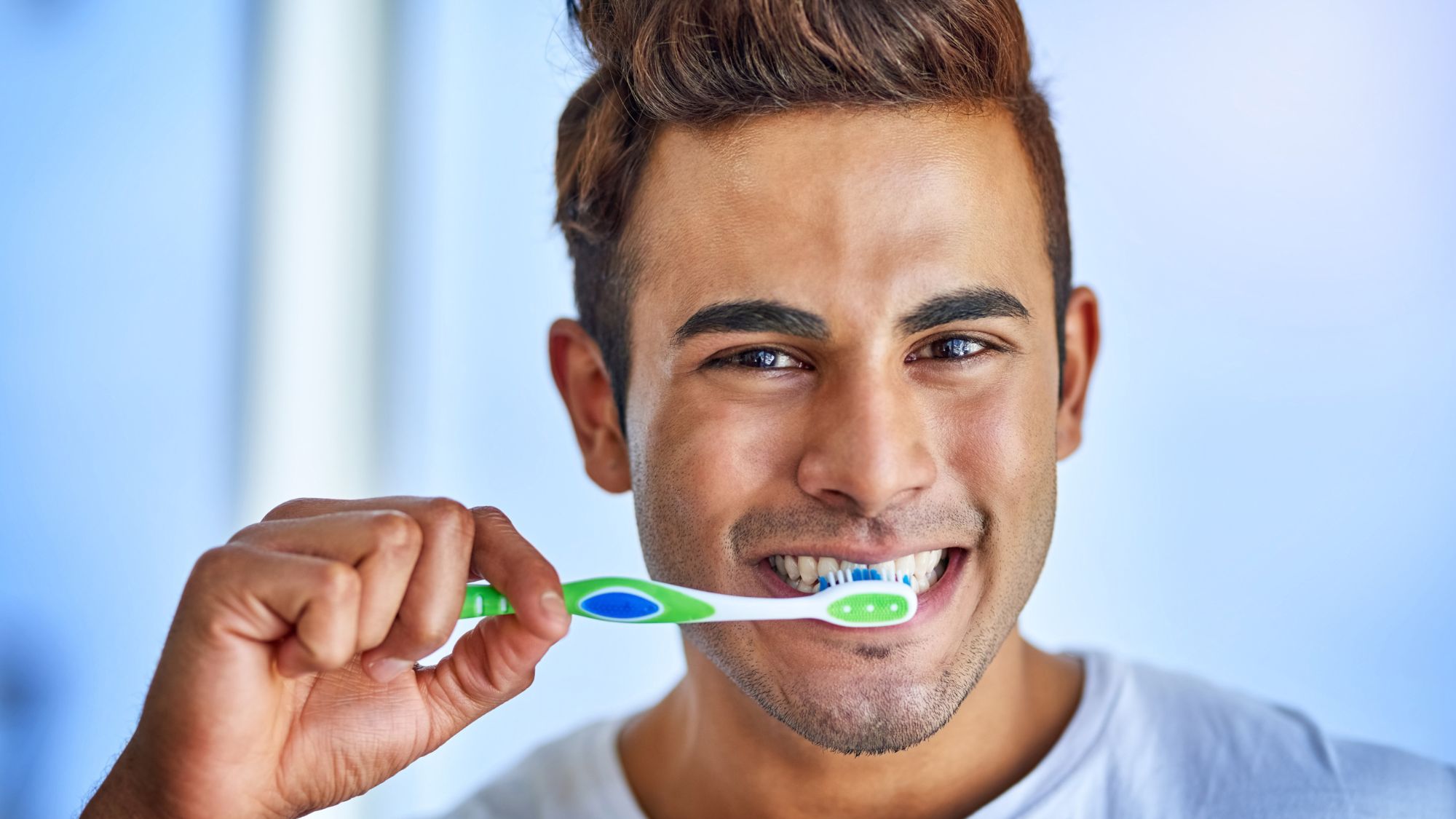
Mastering the technique is simpler than you might think. Follow these steps to ensure you are protecting your smile effectively:
A soft-bristled toothbrush is recommended because hard bristles can damage your teeth and gums.
Brushing for at least 2 minutes: The average time that people brush is just under a minute. This is where a timer comes in handy!
Place your toothbrush at a 45-degree angle: This lets you brush just under your gums, where the little pests love to nest!
Gentle circular motions: No sawing back and forth, please!
Don’t forget the back of your teeth: The cheek side, the tongue side, and the chewing surfaces of all your teeth.
Final Thoughts
At the end of the day, it is not that hard to maintain a healthy, happy smile if you are consistent every single morning and every single night. Paying close attention to your technique and making sure you cover all your bases when you brush. When you’re ready for a professional teeth cleaning in Livingston, the team at The Honest Crown is here. Schedule your visit today!