
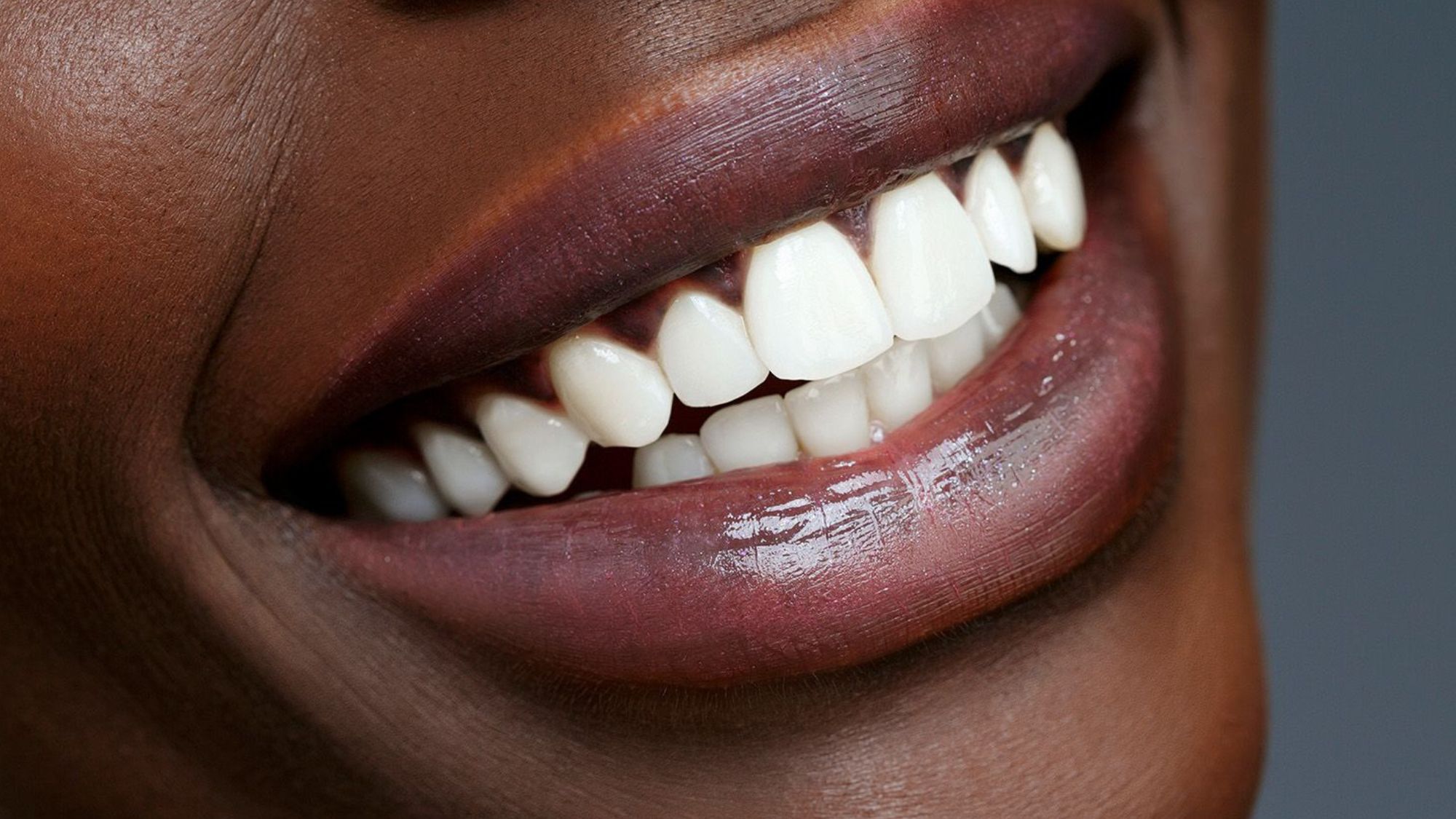
Teeth whitening is not a one-size-fits-all solution. The effectiveness of any whitening treatment depends on several factors, including the type of tooth stains, enamel structure, oral hygiene habits, and underlying dental conditions. Scientific research shows that whitening agents primarily work by breaking down stain molecules within the tooth through oxidation reactions using ingredients such as hydrogen peroxide or carbamide peroxide. However, these agents do not work equally well in every situation.
Understanding why teeth whitening sometimes fails can help you choose a more effective approach and avoid wasting time or money on treatments that cannot address the real cause of discoloration. Many people searching for information about teeth whitening in Livingston often discover that poor results are not due to the product alone but to deeper dental factors that need to be addressed first.
Below are the most common reasons teeth whitening may not work as expected, along with evidence-based dental solutions that can help instead.
1. You Have Intrinsic Tooth Stains
Most over-the-counter whitening products are designed to tackle extrinsic stains caused by food, drink, and smoking. However, if your discoloration lives deep inside the tooth structure, it is considered an intrinsic stain. These stains are located in the dentin, the layer beneath your clear enamel. Because the dentin is much thicker and less porous than enamel, standard peroxide gels often cannot penetrate deep enough to break up these pigments.
Typical sources of intrinsic stains include the use of certain antibiotics (such as tetracycline) during tooth development, excessive fluoride intake during childhood (fluorosis), or internal bleeding from physical trauma to the tooth. As we get older, our enamel also becomes thinner, making the yellowish dentin more visible and unbleachable, since it is a physical change rather than a stain.
What Works Better: For severe intrinsic stains, regular bleaching will not work. You may require porcelain veneers or composite bonding to cover up the discoloration with a strong, whitening material.
2. You Aren’t Cleaning Your Teeth Before Whitening
Imagine trying to paint a wall covered in dust and cobwebs; the paint won’t stick. The same logic applies to teeth whitening. Your teeth are naturally covered in a biofilm called plaque. Over time, this plaque hardens into tartar (calculus), which is a mineralized deposit that acts as a physical shield.
If you apply whitening gel over plaque or tartar, the chemical agent cannot make direct contact with the tooth enamel. This leads to patchy whitening or, in some instances, a lack of whitening altogether because the bleach is exhausted from reacting with the bacteria rather than the stains. Moreover, whitening on top of buildup can cause the window pane effect, where the borders of the teeth appear bright while the centers appear dull.
What To Do Instead: The best whitening treatment is actually a professional dental cleaning. Removing the tartar allows the whitening agent to sit flush against the enamel for maximum penetration.
3. Your Teeth Have Low Bleaching Responsiveness
Not all enamel is created equal. Every individual has a unique genetic ceiling for how white their teeth can become. This is known as bleaching responsiveness. Some people have naturally thicker, more mineralized enamel that is less permeable to whitening agents. Others may have a naturally darker dentin base that won’t shift regardless of how much peroxide is applied.
Age also plays a massive role here. Over time, the pulp chamber inside your tooth shrinks, and the dentin becomes more calcified and darker. This secondary dentin is much denser and more resistant to chemical lightening. If you’ve used multiple kits with zero results, you might have simply reached your genetic limit for chemical whitening.
What To Do Instead: If your teeth are unresponsive to store-bought kits, you may need a higher concentration of carbamide peroxide delivered via custom-fitted trays provided by a professional, or you may need to look into teeth whitening in Livingston to see if a professional-grade light-accelerated system can break through the resistance.
4. You Are Eating and Drinking Right After Whitening
Teeth whitening is a chemical process that temporarily increases the porosity of your enamel. This process opens up microscopic pores or tubules in the tooth. For approximately 24 to 48 hours after a treatment, your teeth are essentially like a dry sponge, ready to absorb any pigment they come into contact with.
If you complete a whitening treatment and then reach for a cup of coffee, a glass of red wine, or a plate of pasta with tomato sauce, you are probably re-staining your teeth to a darker shade than before you began. The dark colors of these foods penetrate the open pores and are trapped as the enamel rehydrates and closes back over.
What To Do Instead: You must follow the White Diet for at least 48 hours after treatment. This means you eat white proteins (chicken, white fish), white carbohydrates (rice, pasta, potatoes), and clear liquids.
5. You Are Whitening Dental Restorations
One of the most common reasons for “patchy” or unsuccessful whitening is the presence of existing dental work. Whitening agents like hydrogen peroxide are designed to work exclusively on natural tooth enamel. They have zero effect on porcelain, ceramic, or composite resin materials used in crowns, veneers, bridges, and tooth-colored fillings.
If you have a filling on a front tooth or a crown and undergo a whitening treatment, your natural teeth will get lighter while the restoration stays the same color. This creates a glaring mismatch that makes the restoration look dark or yellow by comparison, leading many to believe the whitening didn’t work.
What To Do Instead: If you want a whiter smile and have restorations, you must whiten your natural teeth to your desired shade first, then have an affordable dentist replace the restorations with new materials that match your new, brighter color.
6. You Have Poor Oral Hygiene
Whitening is not a set-it-and-forget-it procedure; it requires a foundation of health. If you are not brushing right and flossing consistently, plaque accumulates rapidly. This plaque not only blocks future whitening attempts but also traps new stains from your diet. Inconsistent hygiene creates an acidic environment in the mouth, which can slightly etch the enamel and make it more prone to surface stains.
Furthermore, if your gums are inflamed (gingivitis), they may bleed during the whitening process. The iron in blood can actually cause a brownish-red stain if it comes into contact with the whitening gel while on the tooth surface, completely defeating the purpose of the treatment.
What To Do Instead: Establish a rigorous oral care routine by brushing twice daily with a soft-bristled brush and flossing every night to maintain the canvas for your whitening treatments.
7. You Are Using Natural Whiteners
The internet is full of life hacks for whiter teeth, such as using activated charcoal, baking soda, or lemon juice. While these might seem like cost-effective alternatives, they are often the reason your whitening journey fails or worse, the reason your teeth become permanently damaged.
Many natural whiteners are highly abrasive. They work by removing the top layer of your enamel through scrubbing. Although this may help remove a surface stain, it will eventually thin your enamel, allowing the yellow dentin to show through. Other home remedies, such as lemon juice or apple cider vinegar, are very acidic and will break down the enamel (causing erosion), making your teeth more porous and susceptible to further staining.
What To Do Instead: Use pH-balanced, dentist-approved whitening products that utilize chemical oxidation.
8. You May Have an Underlying Dental Issue
If a specific tooth is dark or if your whole mouth is resistant to whitening, it could be a warning sign of a medical problem. Cavities, for example, often appear as dark or grayish spots. Bleaching a tooth with a cavity won’t fix the color; it will only cause the peroxide to leak into the inner chamber of the tooth, causing intense pain.
Similarly, gum recession can expose the roots of your teeth. Roots are covered in cementum, not enamel. Cementum is always darker and doesn’t react to whitening products. If you attempt to whiten this area, you can expect severe teeth sensitivity without any color change.
What To Do Instead: Before attempting any whitening product, it is essential to have a dental exam to ensure your mouth is healthy. Fixing a root canal or a cavity will often help your smile more than any bleach ever could.
Final Thoughts
Teeth whitening doesn’t have to be a failure simply because the product is ineffective. More often than not, the problem is the type of stains, oral hygiene practices, or a dental issue that needs to be addressed first.
By understanding these points, you can make the best decision on how to proceed and achieve better results. If you are having trouble seeing results, a proper assessment can help determine the best course of action for your smile.
If you would like more information, consider contacting The Honest Crown to discuss safe and effective whitening techniques for your teeth.