
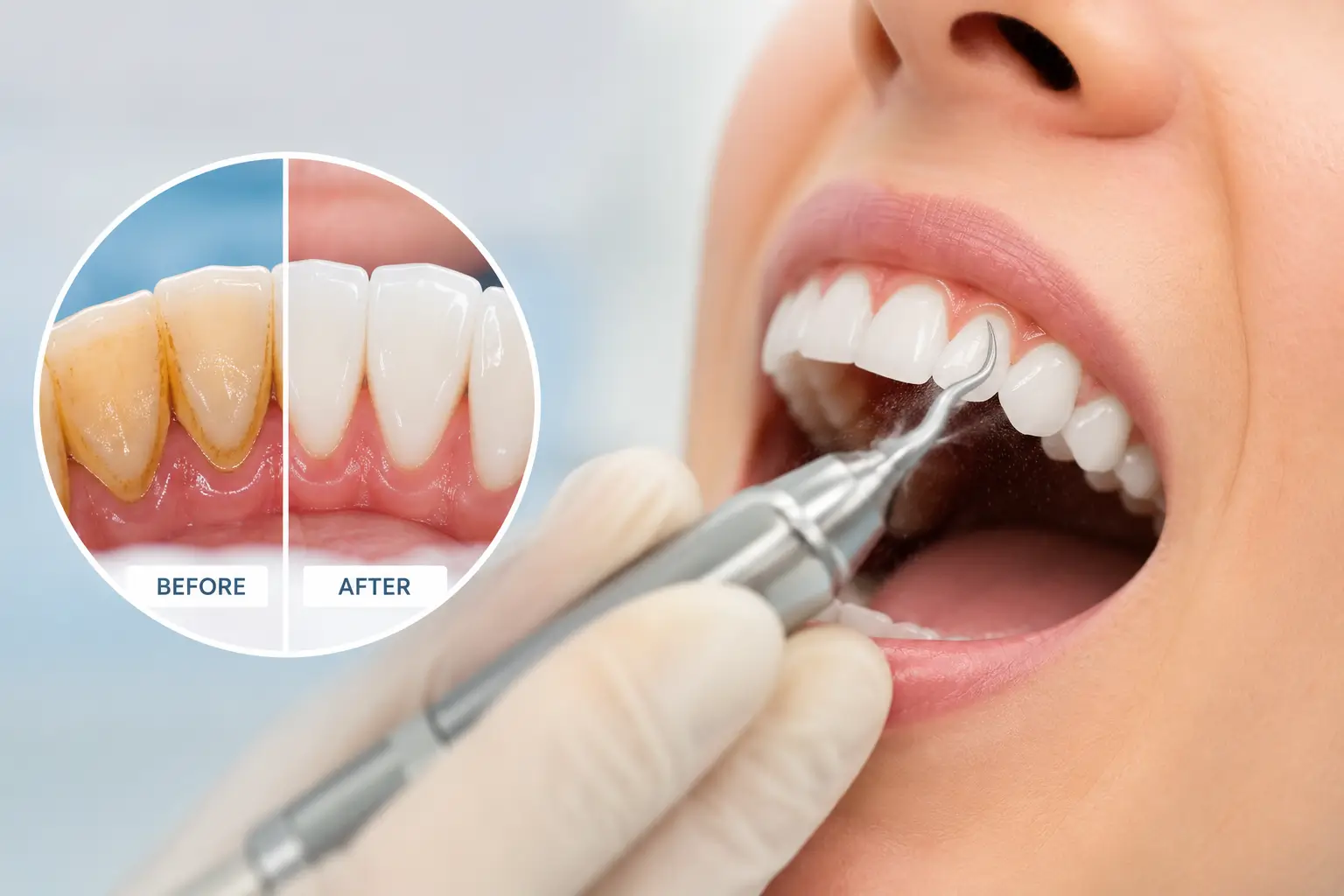
Anyone can see tartar because of its yellow or brown discoloration. Some individuals will realize that even after brushing their teeth, their mouth still feels rough. Some experience perpetual bad breath that no amount of brushing can get rid of. Although it seems trivial at first glance, tartar can do harm to your oral health over time.
The myth regarding tartar removal is that brushing harder will remove it. It is impossible to do this since the bacteria become hard. However, the good thing about dental cleaning is that it can fix the issue. The procedure includes cleaning your teeth of tartar using dental equipment.
As such, you eliminate other diseases that may affect your oral health. These include tooth decay and gum disease. Here’s your complete guide on how dentists remove tartar.
What Is the Difference Between Plaque and Tartar?
Although there could be some similarities between plaque and tartar, there are also many differences between them. The plaque is described as the soft layer that forms on the surface of your teeth daily. It includes such components as bacteria and bits of food. Brushing your teeth regularly helps you remove plaque easily.
On the other hand, tartar forms when hardened plaque accumulates. It is also known as dental calculus. Compared to plaque, tartar is rougher and appears yellow or brownish. This is because it still attracts bacteria.
Why You Cannot Remove Tartar at Home
Most individuals attempt various home remedies after watching videos on the Internet. People go out of their way to use baking soda, charcoal toothpaste, or sharp dental instruments bought online. But the problem is that such activities result in adverse effects on their dental health.
Attempting to scrape off pla from your teeth will scratch your teeth enamel as well as hurt your gums. Moreover, such scraping will also lead to increased tooth sensitivity.
Dentists will make use of equipment that is completely safe when removing it from your mouth. With this, both your teeth and gums can remain healthy.
Signs of Tartar Buildup
Because calculus deposits form over time, people may only learn of their presence after a dentist tells them. That is why people often learn about calculus deposits only after visiting a dentist in Livingston.
The presence of bad breath despite regular brushing is a key symptom of calculus deposits. This problem results from bacterial accumulation.
Signs of calculus Deposits
- The most common indicators of calculus deposits are:
- Bleeding gums while brushing
- Inflammation or swelling of the gums
- Yellowish or brownish plaque close to the gums
- Persistent bad breath
- Sensitive teeth
- Teeth separation from the gums
Failing to heed these indications may lead to further complications.
Areas Where Tartar Commonly Builds Up
Tartar often forms in hard-to-clean areas. It can form on the backs of the lower front teeth and on the outside surfaces of the upper molars, as saliva tends to gather there.
Another place where people with crowded teeth can develop hard plaque is around the tight spots that are hard to clean through brushing and flossing.
How Dentists Remove Tartar
The dentists remove the tartar using several procedures. The processes include carefully cleaning the teeth without affecting the gum and enamel tissues.
1: Oral Inspection Prior to Cleaning
The dentist will examine your mouth before beginning the process by using a dental mirror to detect tartar, gum inflammation, cavities, and periodontitis.
This will help them determine the best procedure to undertake, which may be tooth cleaning or scaling.
In some cases, the dentist will take an X-ray to detect tartar below the gum line. You can get tailor-made services at your dentist in Livingston.
2: Ultrasonic Scaling
Apart from that, another instrument that can be used during teeth cleaning is the ultrasonic scaler. This instrument vibrates to shake away hard plaque from the teeth. Besides, it sprays water in order to wash out any bacteria or other substances.
This method is quick and simple to use because it can reach difficult places, and does not scrub the dental calculus away; rather, it vibrates it away.
3: Hand Scaling for Detailed Teeth Cleaning
After hardened plaque removal, the dental professional begins the teeth scaling. In hand scaling, the scaler is used to remove any calculus deposits above the gum line, while the curette removes any below the gum line.
The importance of this procedure lies in the fact that even tiny hardened plaque deposits could keep irritating the gums.
4: Polishing the Teeth
This step involves the dentist using a rubber cup filled with dental polish paste. This process will help to remove discolorations caused by staining foods such as tea, coffee, and tobacco. The procedure establishes a system to prevent plaque from developing on the tooth surfaces.
The majority of patients find that their teeth feel much smoother after polishing.
5: Professional Flossing and Final Rinse
The final step usually includes professional flossing to remove loosened debris between the teeth. However, in some cases, the dentist may use fluoride mouthwash to toughen your teeth against tooth decay.
You will notice that your breath becomes fresher when you clean your teeth.
Risks of Ignoring Tartar
Dental calculus is formed between the teeth and gums due to the presence of plaque under the gums. This means that regular cleaning won’t work in such circumstances.
The dentist may therefore advise you to undergo a process known as deep cleaning, during which hard plaque and bacteria will be removed from beneath your gums.
Scaling and Root Planing
Scaling will help remove tartar from above and under the gum line. Root planing creates smooth tooth surfaces to promote effective gum healing. This procedure also kills bacteria while providing relief for irritated gums.
Dentists may administer anesthetics during dental procedures to make patients more comfortable. The complete cleaning process results in decreased bleeding and fresher breath according to many patients.
Signs You May Need a Deep Dental Cleaning
Some signs that may mean tartar has spread below the gums include:
- Deep gum pockets
- Loose teeth
- Bleeding gums
- Gum recession
- Pain while chewing
- Chronic Halitosis
Individuals with mild or moderate gum disease require deep cleaning procedures to maintain their dental health.
What Happens If You Ignore The plaque hardening
Tartar is a yellowish-brown substance that forms on the teeth. Due to the sticky nature of tartar, the bacteria will retain their ability to trap themselves. As such, “The bacteria release acids and toxins that can damage enamel and irritate gum tissue. In addition, there is an increase in bacteria in the body, leading to weak jawbones.
Oral Health And General Health Association
Oral health significantly impacts general health. The gum disease has been associated with the following illnesses, among others:
- Heart disease
- Diabetes complications
- Respiratory infections
- Stroke
- Pregnancy complications
Maintaining proper oral hygiene may help lower inflammation throughout your body.
How to Prevent Tartar Buildup
Tartar prevention requires proper dental hygiene routines. Because plaque forms rapidly, eliminating it at an early stage is the most effective way to prevent tartar build-up.
By removing plaque from your teeth, a specialist dentist in Livingston performs teeth cleaning to help prevent cavities.
Conclusion
Individuals who fail to consider mineralized plaque must be aware that it is initially not serious but can eventually escalate into a significant oral problem. The need for dental cleaning arises when patients require professional help as tartar begins to accumulate in their mouths.
For individuals interested in avoiding hardened plaque, there are two important steps: brushing their teeth frequently and drinking plenty of water to stay well-hydrated.
Dental cleaning is vital since dentists get an opportunity to eliminate all mineralized plaque within the patient’s mouth to avoid oral health issues associated with such accumulation. Proper dental care helps individuals achieve fresh breath and clean teeth.