
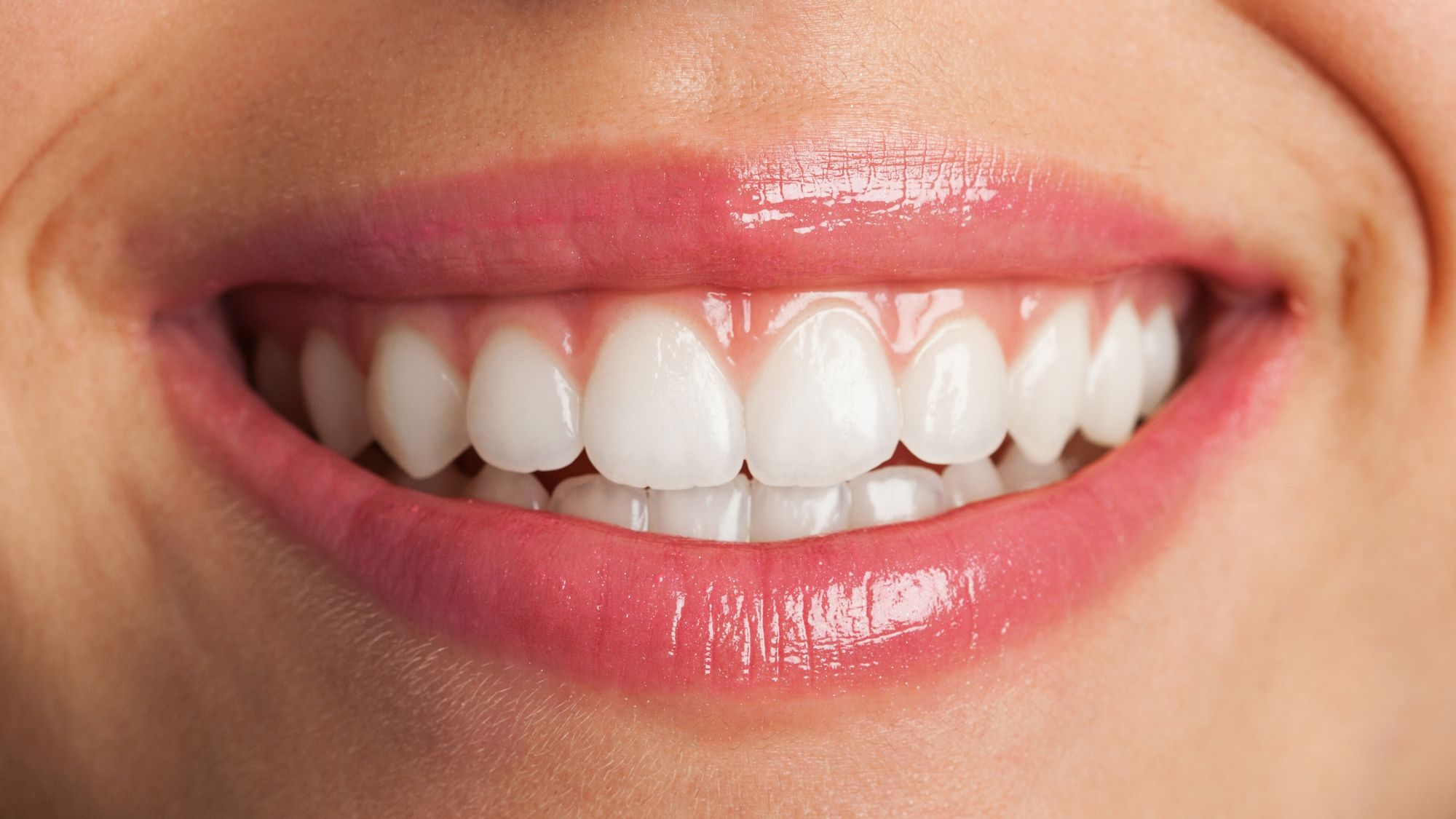
Ever notice your teeth looking dull or stained from coffee, tea, or just everyday life? Teeth whitening is a way to safely brighten your smile by removing surface stains and lightening the natural color of your teeth.
It works through special whitening agents that break down stains and can be done at home or professionally. In this blog, we’ll cover what teeth whitening is, how it works, the options available, safety considerations, and how long the results last.
What Is Teeth Whitening?
According to the American Dental Association (ADA), teeth whitening is a process that reduces tooth color by removing stains and discoloration, most commonly using bleaching agents such as hydrogen peroxide and carbamide peroxide.
While a regular dental cleaning may remove surface stains (extrinsic stains) from coffee, tea, red wine, and tobacco, teeth whitening actually changes the color of a tooth, including extrinsic and intrinsic stains.
Discoloration happens for two reasons:
- Extrinsic Stains: The stains that appear on the outer part of a tooth, referred to as enamel, are indicative of an individual’s lifestyle choices.
- Intrinsic Stains: When stains form within the tooth, this is called intrinsic stains. The stains contain dentin, and aging, trauma, or drugs administered during tooth development could cause them.
How Does Teeth Whitening Work?
The science behind teeth whitening is surprisingly straightforward. It relies on a chemical process called oxidation. A Study published in the Journal of Dentistry reports that whitening agents penetrate enamel and dentin and break down stain molecules into smaller, lighter components.
Here is the process of action:
- Application: Peroxide gel is applied to the teeth.
- Penetration: Peroxide molecules are small enough to penetrate the porous enamel layer, thereby providing access to the dentin beneath.
- Oxidation: Once inside, the peroxide goes to work, releasing oxygen radicals. These radicals attack the double bonds in the stain-causing agents (chromogens).
- Brightening: By the time large molecules are broken down into smaller colorless ones, the teeth reflect more light, which in turn makes them appear whiter.
Types of Teeth Whitening Options
When weighing one’s options for a whiter smile, it should be clear that they are not all equal in terms of safety, speed, and effectiveness.
Professional In-Office Teeth Whitening
This is the fastest available bleaching method, usually performed by a dental professional in one appointment. It generally contains high-concentration hydrogen peroxide gel, usually 25 to 40%.
To avoid irritating the soft tissues of the mouth, the dentist applies a protective barrier to the gums before activating the gel, which may also be photoactivated with a specific light to increase the reaction rate.
Pros: Instant results, safest application, dramatic brightening.
Cons: Highest cost, potential for temporary teeth sensitivity.
Dentist-Prescribed Take-Home Kits
This option combines expert advice and home-based convenience. Impressions of your teeth are taken by your dentist, who then gives you specially designed trays.
In addition, you are given a professional-strength whitening gel (at a lower concentration than used in-office) to use at home for a specified period, such as 1-2 hours a day, over a week or two.
Pros: Prevents gel from contacting the gums, delivers good results, and is long-lasting.
Cons: It takes longer than receiving treatment in the office.
Over-the-Counter (OTC)
These include whitening strips, gels, pens, and toothpaste found in drugstores. They contain much lower concentrations of whitening agents.
Pros: Inexpensive, easily procured.
Cons: Takes weeks to get minimal results; generic strips do not fit well, which may cause gum irritation.
Natural or DIY Whitening Techniques
One usually looks for such remedies online, such as baking soda, lemon juice, or even activated charcoal. Almost every remedy is abrasive and may cause serious damage to the teeth and gum tissue itself. They do not contain bleaching agents and do not provide true teeth whitening.
The ADA confirms that professional in-office whitening is more effective than at-home methods due to higher concentrations of bleaching agents and controlled application by a professional
Professional Teeth Whitening vs. At-Home Whitening
The decision to go with a professional or home-based option will depend on your budget, timeline, and the extent of the stains to be removed.
In-Office Teeth Whitening
As the name suggests, if you need an immediate result for a big event, in-office is the only viable option. The expertise involved is to ensure the gel is used correctly, thereby minimizing the risk of gum tissue burns.
At-Home Whitening Options
At-home products, such as professional-grade trays, are convenient and may also help maintain results. DIY or At-home products require patience to use successfully. OTC products are recommended only for very minor surface stains and are not effective for deeper discoloration.
| Feature | Professional In-Office | Professional Take-Home | OTC Strips/Gels |
| Speed | 1 Hour | 1-2 Weeks | 2-4 Weeks |
| Concentration | Very High | Moderate | Low |
| Safety | High (Controlled) | High (Custom Trays) | Moderate |
| Durability | Long-lasting | Long-lasting | Short-term |
Is Teeth Whitening Safe?
When performed correctly and on the right candidate, teeth whitening is generally considered safe. However, it is not without risks if misused or applied to unsuitable candidates. The main concerns are enamel damage and gum irritation.
Potential Side Effects
Tooth Sensitivity: This is the most common side effect. The peroxide can temporarily increase enamel permeability, allowing cold or heat to reach the nerves in the tooth’s dentin. This usually subsides within 24 to 48 hours.
Gum Irritation: If whitening gel leaks onto the gums, it can cause chemical burns, resulting in white spots and discomfort.
Who Is a Good Candidate for Teeth Whitening?
Teeth whitening is most suitable for someone with healthy teeth and gums who wishes to maintain that condition, but with teeth free of extrinsic stains from coffee, tea, red wine, cigarette smoke, and certain foods. Those with naturally yellow teeth may also benefit from such treatments, as teeth-whitening products can work well on enamel stains but not on internal stains.
A good candidate should:
- Not having any cavities or gum disease, as they will increase sensitivity or reduce effectiveness.
- To brighten natural teeth as opposed to restorations like crowns, veneers, or fillings, which do not react to peroxide-based bleaching agents.
- Willing to follow professional advice on the use of trays, gels, or at-home products that help reduce side effects like sensitivity or gum irritation.
- Are in search of a cosmetic change, not a medical solution.
How Long Do Teeth Whitening Results Last?

Teeth whitening is not a permanent procedure. It only lasts for a while, depending on how you take care of yourself after the process.
On average, it can be maintained from 6 months to 2 years. In order to maintain it, you must consider:
Diet: Frequent intake of coffee, tea, red wine, dark sodas, and staining agents like berries or soy sauce will reduce the longevity of your results.
Oral Hygiene: Flossing and regular brushing will help prevent the formation of new extrinsic stains.
Touch-ups: Periodically, take-home trays can help extend the results.
Final Thoughts: Talk to a Professional About Whitening
While the temptation to buy the first whitening kit you see is strong, your smile is too important to risk. While many products are available, consulting professionals help you avoid damage and achieve lasting results. A quick check-up can identify the best approach tailored just for you.
Don’t risk your enamel on unverified methods. For personalized guidance and safe, effective options to brighten your smile, trust the experts at The Honest Crown. Schedule your visit today and take the first step toward a confident, radiant smile.