
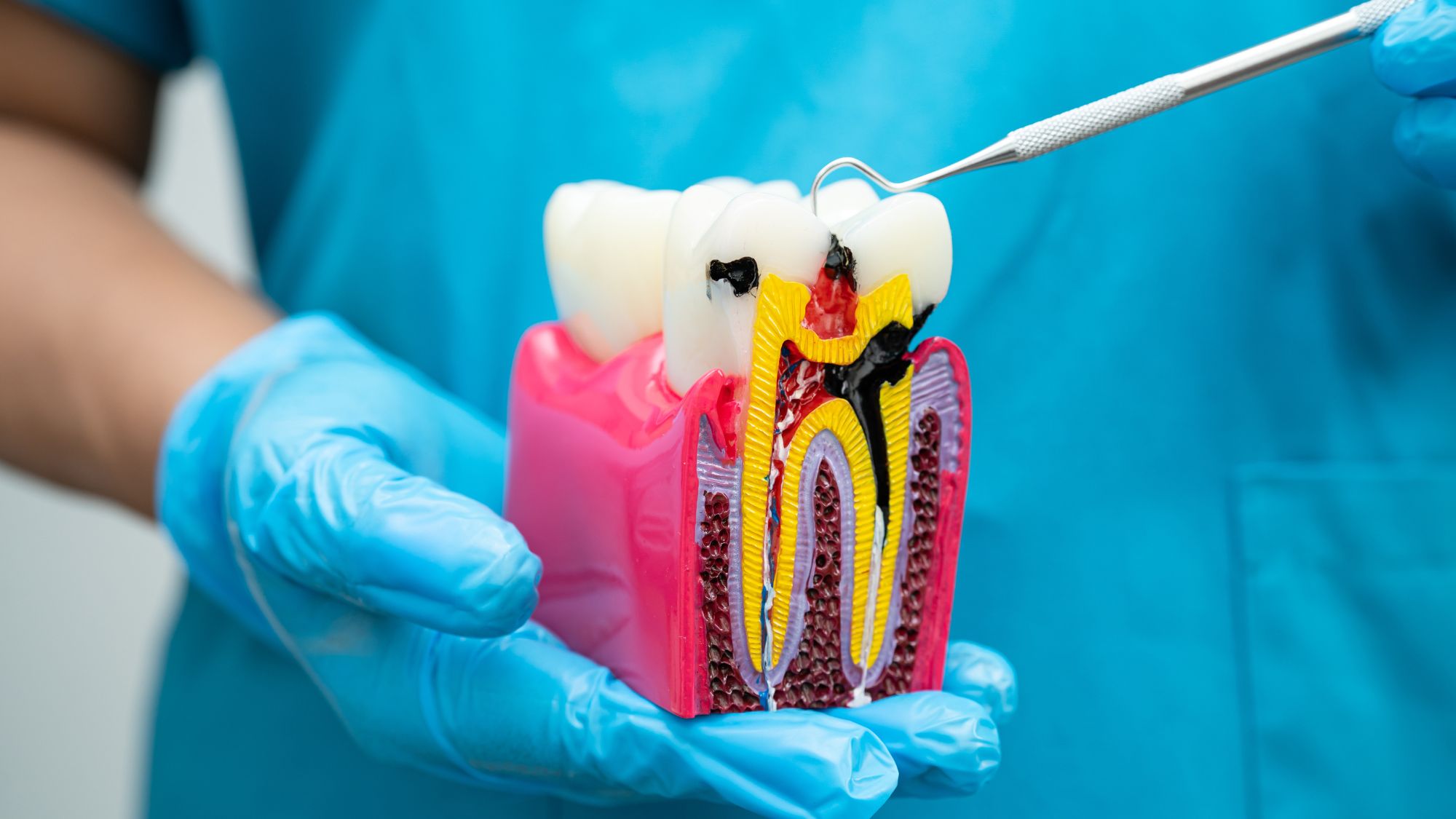
A sudden, throbbing toothache can make even simple things like drinking water or chewing food feel unbearable. Many people facing this kind of pain start searching online because they’ve heard they might need a root canal, and the first question that comes to mind is usually: “Does a root canal hurt?”
For patients researching treatment options, understanding how the procedure works, how much discomfort is involved, and what recovery looks like can make the situation far less stressful. If you are researching treatment options such as a root canal in Livingston, it’s helpful to understand what actually happens during the procedure and what level of discomfort most patients experience.
This guide explains the pain level, step-by-step procedure, and recovery process in clear, practical terms so you know exactly what to expect before, during, and after a root canal.
Does a Root Canal Actually Hurt?
The short answer is: No, the procedure itself is designed to eliminate pain, not cause it. The misconception that root canal treatment is agonizing dates back to a time before the advent of high-tech rotary endodontics and improved numbing agents. Today, the primary goal of the treatment is to remove the infected tissue (the pulp) that is causing your current agony.
Why People Expect Root Canals to Be Painful
Much of the fear surrounding this procedure is psychological or based on outdated information. In the past, dental technology was less precise, and anesthesia was less effective. According to the American Association of Endodontists (AAE), patients who have experienced a root canal are six times more likely to describe it as painless than those who have never had one. The fear usually stems from the infection that precedes the visit, which is genuinely painful.
How Local Anesthesia Helps Prevent Pain
Local anesthesia is the hero of modern endodontics. By injecting a numbing agent near the site, the dentist shuts off the nerve’s ability to send pain signals to the brain. For those with high anxiety, many offices also offer sedation options to ensure a completely relaxed experience.
A study published in the Journal of Endodontics confirms that modern local anesthetics, such as Articaine, provide profound pulpal anesthesia, significantly reducing intraoperative discomfort.
What Happens During a Root Canal Procedure?
Understanding the why behind each step can significantly lower your heart rate. A root canal is essentially a deep cleaning for the inside of your tooth.
Step 1: Exam and Dental X-Rays
The process begins with a digital X-ray to see the shape of the root canals and determine if there are signs of infection in the surrounding bone. This allows for a precise map of the treatment area.
Step 2: Local Anesthesia to Numb the Tooth
The dentist will apply a numbing gel to the gum tissue before administering the local anesthetic. This ensures you don’t even feel the “pinch” of the needle.
Step 3: Removing the Infected Pulp
After you are completely numb, a small access hole is drilled into the crown of the tooth. The dentist then uses micro-tools to remove the diseased pulp tissue from the tooth. This is where the killing of the pain occurs, as the dying nerve is removed.
Step 4: Cleaning and Disinfecting the Root Canal
The canals are cleaned, re-shaped, and disinfected with antibacterial solutions to ensure there is no residual bacteria that can cause further infections.
Step 5: Filling and Sealing the Tooth
The canals of the tooth are then filled with a material called gutta-percha, which is similar to rubber, to seal the tooth against future bacterial invasions.
Step 6: Placing a Dental Crown if Needed
Because the tooth is pulpless, it may become brittle over time, so it is recommended that you place a crown on the tooth to prevent it from breaking off during eating.
The Mayo Clinic notes that a permanent restoration, like a crown, is vital for restoring the tooth’s full function and preventing future cracks
How Painful Is a Root Canal Compared to Other Dental Treatments?
When we look at the clinical reality, a root canal sits much lower on the discomfort scale than most people realize.
Root Canal vs. Tooth Extraction
Many patients think pulling the tooth is easier. In reality, an extraction is more traumatic for the jawbone and requires a longer recovery. A root canal allows you to keep your natural tooth, which is always the preferred medical outcome.
Root Canal vs. Dental Filling
A root canal is essentially a long filling. While it takes more time (often 60–90 minutes), the physical sensation during the procedure is virtually identical because the same numbing agents are used.
Research in the International Endodontic Journal indicates that post-operative pain typically peaks within 24 hours and subsides rapidly thereafter.
What to Expect After a Root Canal
Once the anesthesia wears off, it is normal to experience some rebound sensitivity. Your body is healing from the inflammation that was present before the procedure.
Normal Symptoms After Treatment
- Mild soreness in the gum tissue.
- Jaw fatigue from holding your mouth open.
- A different feeling when your tongue touches the tooth.
How Long Can Mild Discomfort Last
Typically, any lingering tenderness should resolve within 48 to 72 hours. If you follow post-op instructions, you should be back to your normal routine by the third day.
Signs You Should Contact a Dentist
While rare, you should call your dentist in Livingston if you experience:
- Visible swelling inside or outside the mouth.
- An allergic reaction (hives or rash).
- The return of the original throbbing pain.
If the swelling or bleeding persists, these are clear Signs You Need an Emergency Dentist Immediately.
The Cleveland Clinic emphasizes that while some sensitivity is normal, sharp pain or swelling should be evaluated by a professional immediately.
FAQs
How long does a root canal take?
Most procedures are completed in one visit lasting 60 to 90 minutes, though complex cases may require two appointments.
Can you drive home after a root canal?
Yes. Local anesthesia does not affect your cognitive or motor skills. However, if you choose oral or IV sedation, you will need a designated driver.
How long does numbness last?
The numbing sensation usually lingers for 2 to 4 hours. It is best to avoid eating until it has completely worn off to avoid biting your cheek.
Is a crown always required?
For back teeth (molars and premolars) that handle heavy chewing loads, a crown is almost always required to prevent the tooth from splitting.
Conclusion
A root canal is not a procedure to fear; it is a sophisticated, tooth-saving treatment designed to stop infection and relieve pain. By removing the source of the bacteria and sealing the tooth, you can maintain your natural smile and avoid the complications of tooth loss.
If you are experiencing persistent sensitivity to heat or cold, or a dull ache that won’t go away, don’t wait for the pain to become unbearable. Early intervention often makes the procedure even simpler.
Is that toothache keeping you up at night? Don’t let fear stand in the way of your health. Contact The Honest Crown today to schedule a diagnostic exam and get back to living pain-free.