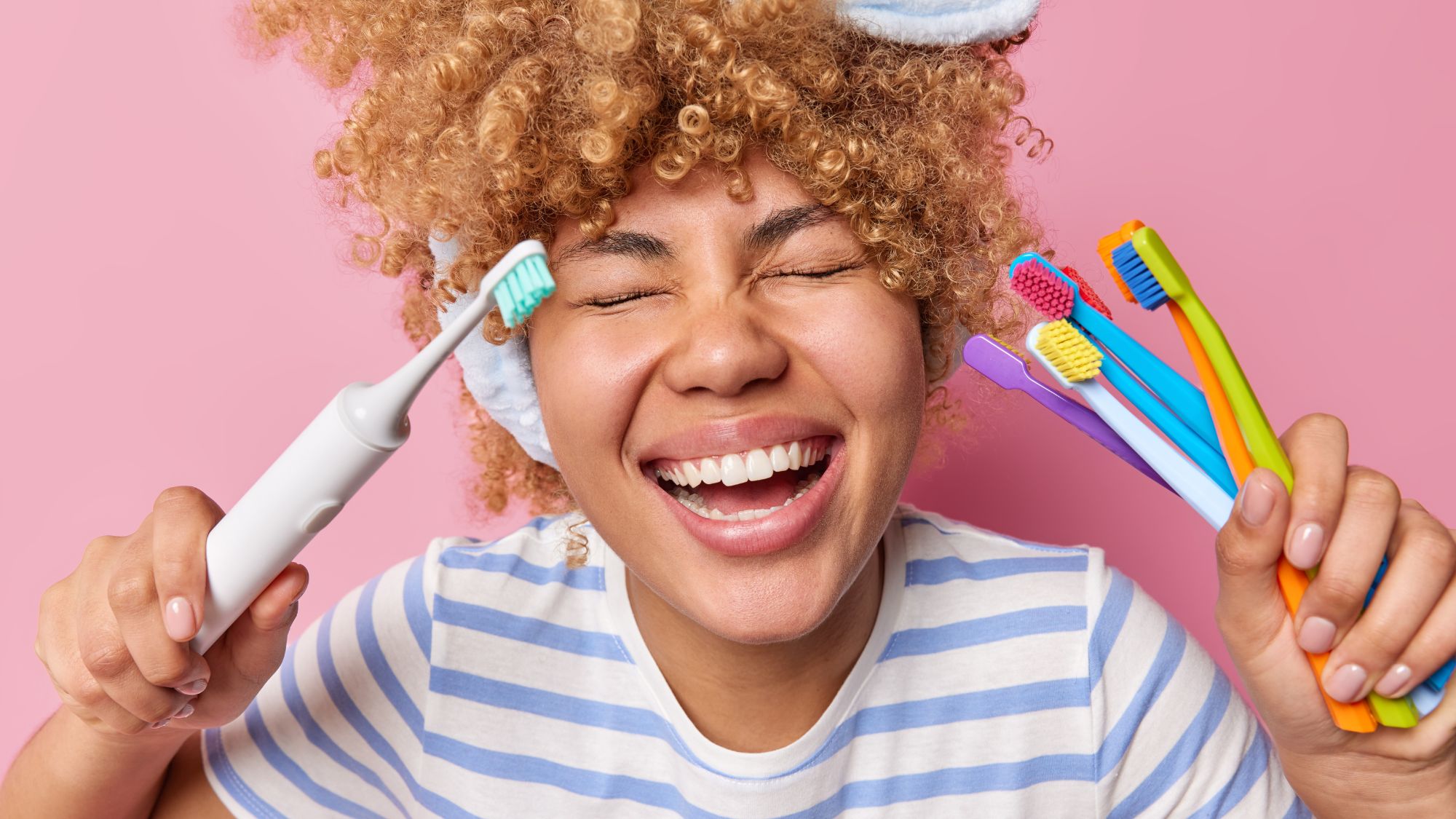
Brushing your teeth seems simple enough, right? Yet, if you’ve ever stood in the toothpaste aisle staring at rows of electric and manual toothbrushes, wondering which one will actually give you a cleaner, healthier smile, you’re not alone. A comprehensive 11-year study published in the Journal of Clinical Periodontology found that participants using electric toothbrushes experienced 22% less gum recession and 18% less tooth decay compared to manual brush users. Manual toothbrushes work just as well if used properly and consistently.
The truth is, choosing the right toothbrush isn’t just about price or fancy features. It’s about effectiveness, ease, consistency, and understanding the real differences between manual and electric brushes. In this guide, we’ll walk you through what really sets toothbrushes apart, what’s good about each, and what experts have to say so you can make an informed decision about which one will work best for you when it comes to keeping your teeth and gums healthy.
Why Toothbrush Choice Matters for Oral Health
Your toothbrush is your first line of defense against plaque biofilm. If you don’t remove plaque biofilm, it turns into tartar or calculus, which can only be removed by a professional teeth cleaning in Livingston. When choosing a toothbrush, it’s not just about feeling clean. It’s about keeping you healthy.
Research consistently links poor oral hygiene to heart disease and diabetes, making your choice a logistical decision for your overall longevity. Effectiveness depends on how well the bristles can disrupt the plaque at the gumline without causing abrasive damage to your enamel.
What Is a Manual Toothbrush?
A manual toothbrush is a non-powered tool that relies entirely on your hand’s dexterity and movement. It is the standard for a reason: it’s reliable, lightweight, and requires no batteries.
The Logistics of Control: You have 100% control over the pressure. This is vital for those recovering from oral surgery or those with extremely sensitive tissue who need to feel the brush’s impact.
The Technique Gap: The biggest limitation is that manual brushing is a skill. To be effective, you must use the Modified Bass Technique, where you hold the brush at a 45-degree angle and use small, circular vibratory motions. Most people instinctively scrub back and forth, which can actually push plaque further into the gums or cause recession.
Research indicates that while manual brushes are effective, their effectiveness depends heavily on the user’s manual dexterity and adherence to proper technique.
What Is an Electric Toothbrush?
Electric toothbrushes utilize power to move the brush head thousands of times per minute. There are two types: Oscillating-Rotating (the head actually rotates and pulses) and Sonic (vibrates at high speed, moving water and toothpaste from one tooth to the next).
Consistent Plaque Disruption: While your manual toothbrush might deliver 300 strokes per minute, an electric toothbrush can deliver 3,000 to 30,000 strokes per minute. The sheer volume of motion ensures that even the most negligent toothbrusher can remove more plaque.
Built-in Guidance: Features like pressure sensors (which light up when you apply too much pressure) and 2-minute timers ensure you deliver clinical standards every time.
Electric vs. Manual Toothbrush: Key Differences
To give you a better idea of how the comparison works, here are the key differences in the key factors between the two.
| Feature | Electric Toothbrush | Manual Toothbrush |
|---|---|---|
| Plaque Removal | High (Removes up to 21% more plaque) | Moderate (Depends on user skill) |
| Gum Protection | High (Pressure sensors prevent damage) | Variable (Risk of over-scrubbing) |
| Convenience | Integrated timers and automation | Requires high focus and external timing |
| Portability | Requires charging/bulkier cases | Slim, lightweight, and travel-ready |
| Initial Investment | $40 – $200+ | $1 – $5 |
What Does the Research Say?
When we look at high-authority data, the trend is clear. Large-scale reviews of multiple clinical trials show that electric toothbrushes have a statistically significant advantage in reducing both plaque and gingivitis (gum inflammation).
The Cochrane Review, one of the most respected meta-analyses in medicine, analyzed dozens of trials. They concluded that after three months of use, electric brushes reduced plaque by 21% more than manual brushes. This isn’t just a marginal gain; it’s a significant improvement in preventing the onset of periodontal disease.
A Cochrane systematic review of 56 studies involving over 5,000 participants confirmed that powered toothbrushes reduce plaque and gingivitis more than manual brushing in both the short- and long-term.
Which Toothbrush Is Better for Different People?
Your lifestyle and physical needs should dictate your choice. Here is who benefits most from each category:
- Best for Beginners or Those with Poor Technique: Electric. If your dentist often mentions you’re missing spots, the automated movement fills those gaps.
- Best for Braces or Orthodontics: Electric. The high-frequency vibrations are far more effective at dislodging food particles trapped behind wires and brackets.
- Best for Seniors or Limited Dexterity: Electric. For those with arthritis or carpal tunnel, the brush does the mechanical work, requiring less wrist movement.
- Best for Frequent Travelers: Manual. No need for voltage converters or charging docks; it’s the ultimate zero-maintenance option.
Why Users Make the Switch
Beyond the laboratory, the reason people stick with electric brushes is the feel. Most users report a dentist-clean feeling that is difficult to replicate with manual strokes. This is largely due to micro-vibrations that disrupt plaque in the interproximal spaces, the tiny gaps between your teeth where a manual bristle often fails to reach.
Furthermore, the psychology of a timer cannot be overstated. When you know the brush will pulse every 30 seconds to signal a switch to a new quadrant, you are statistically more likely to finish the full 2 minutes, which is the golden rule of oral health.
FAQs
Is an electric toothbrush really better?
Yes, clinical studies show electric brushes remove significantly more plaque and reduce gingivitis more effectively than manual brushes.
Can a manual toothbrush clean just as well?
Technically, yes, but only if the user has excellent manual dexterity and follows the correct 2-minute brushing technique, skipping no surfaces.
Are electric toothbrushes safe for gums?
Absolutely. In fact, many are safer because they include pressure sensors that prevent you from brushing too hard, a leading cause of gum recession.
How often should I replace my brush?
Whether it’s a manual brush or an electric head, you should replace it every 3 months, or sooner if the bristles appear frayed or after you’ve been sick.
Final Thoughts on Your Oral Health Journey
Investing in your oral health today prevents painful and expensive procedures tomorrow. While an electric toothbrush offers a clear technological edge, your daily habits remain the foundation of a healthy smile. Remember, no tool can replace the expert eye of a professional. If you haven’t had a check-up recently or have noticed persistent bleeding or tooth sensitivity, it may be time to schedule a personalized consultation with your dentist. Call us or visit our clinic at The Honest Crown for a detailed checkup to find the right cleaning tool for your dental needs.