
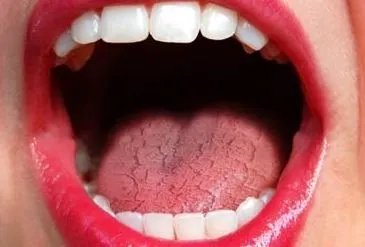
The common question asked by patients after major or minor dental surgery is, “Why is my mouth so dry after surgery”? Dry mouth after surgery is common and usually temporary. Many patients wake up with sticky lips, a rough tongue, thirst, or a scratchy throat after anesthesia. This condition, called xerostomia, happens when saliva production temporarily decreases.
Fortunately, it is a condition that occurs often and resolves rather easily. The medical term for this condition is xerostomia. Dry mouth may be due to insufficient saliva. Although it may be a smaller amount, saliva is vital to the body. This is due to the fact that it acts as an aid for moistening your mouth, digesting food, chewing food, protecting your teeth from harm, and killing germs.
In this article, we will discuss cases, symptoms, and treatment of dry mouth after surgery.
What is Dry Mouth?
Dry mouth refers to insufficient saliva production by the salivary glands. That may happen for a short time or for a longer period.
Saliva does more than most people realize. It:
- Washes away food particles
- Protects teeth from decay
- Helps you taste food
- Makes chewing and swallowing easier
- Supports speech
- Reduces bacterial growth
- Keeps oral tissues healthy
- When saliva drops, your mouth quickly notices
Common Symptoms of Dry Mouth
Here are some common symptoms of dry mouth after dental surgery.
- Sticky feeling in the mouth
- Dry throat
- Rough or dry tongue
- Cracked lips
- Bad breath
- Trouble chewing
- Trouble swallowing
- Changes in taste
- Burning feeling in the mouth
- Mouth sores
- Thick saliva
- Trouble speaking clearly
Many people notice these symptoms right after they wake from anesthesia.
Why Dry Mouth Happens After Surgery
Dry mouth after surgery usually comes from several causes working together. Let’s look at the most common reasons.
1. General Anesthesia Reduces Saliva Flow
General anesthesia is one of the leading causes of dryness in mouth after surgery. This happens because anesthesia temporarily slows several body functions, including saliva production.
While you sleep, your body focuses on vital systems and does not produce saliva. Some anesthesia drugs also create a drying effect in the mouth and throat.
This reaction usually improves within a few hours to a day. If symptoms continue, another factor may also contribute.
2. Airway Tubes May Cause Drying
Many surgical procedures necessitate the use of breathing tubes, known as intubations. These tubes are inserted for breathing purposes while under anesthesia. They may cause dryness in the mouth and throat post-surgery. It may also irritate tissues slightly.
This happens often and usually fades within a day or two. Even surgeries without full intubation may involve oxygen masks or airway support that can dry oral tissues.
3. Medications Often Cause Xerostomia
Several medications used before, during, and after surgery can reduce saliva.
Pain Medications
Pain killers, particularly opiates, frequently slow down bodily processes as well as result in mouth dryness.
Anti-Emetics
These are drugs that prevent vomiting but also reduce saliva production.
Antihistamines
Some of these medicines cause drying of mucous membranes, including those in the mouth cavity.
Anticholinergics
These medicines are occasionally used by physicians during surgery to reduce secretions. They often cause temporary dry mouth.
Muscle Relaxants
Even though muscle relaxers help during surgery, they may also cause dry mouth.
If you have any kind of medicine for high blood pressure, depression, anxiety, or even allergies, then the medicine that you take may cause dry mouth as well.
4. Mouth Breathing Post-Surgery
It is common for many individuals to breathe via their mouth after surgery, unknowingly.
This can happen because of:
- Nasal congestion
- Oxygen tubes
- Sleeping on your back
- Pain that changes breathing habits
- Nasal or Throat Inflammation
If you are having problems with snoring and mouth opening while asleep, you will find your symptoms are exacerbated upon waking.
5. Post-Dental Surgery Mouth Dryness
Dry mouth is also common after dental procedures. During treatment, dentists intentionally keep certain areas of the mouth dry to perform procedures more effectively. They may use air syringes, cotton rolls, suction tools, and mouth props to control moisture while placing fillings, extracting teeth, or performing other dental treatments.
After the procedure, it is normal to experience temporary mouth dryness. In most cases, this improves within a short time. However, swelling, pain medications, reduced fluid intake, and mouth breathing after oral surgery can sometimes prolong the dryness and make symptoms more noticeable.
6. Irritation of Nerves or Salivary Glands
Certain oral surgeries may affect nerves and salivary glands in the head and neck region. If irritation occurs in these regions, saliva flow may decrease. This cause is less common, but it may lead to longer-lasting dry mouth.
Surgeries involving these areas include:
- Jaw surgery
- Neck surgery
- Salivary gland surgery
- Cancer surgery
- Facial trauma repair
If dryness lasts weeks or months, ask your surgeon or dentist for evaluation.
How Long Does Dry Mouth Last After Surgery?
For most people, dry mouth after surgery lasts only a short time. Symptoms may improve within a few hours, while others may experience dryness for one to three days. After major surgical procedures, recovery can sometimes take up to a week.
The duration often depends on several factors, including:
- The type of surgery performed
- The type of anesthesia used
- Medications taken before or after surgery
- Hydration levels
- Age and overall health
- Existing medical conditions
In most cases, symptoms gradually improve as the body recovers and hydration returns to normal. However, if dry mouth becomes worse instead of better, it is important to seek medical or dental advice.
How to get rid of dry mouth after surgery
The right steps can bring fast comfort.
1. Sip Water Throughout the Day
Take sips of water instead of drinking lots at once. Water hydrates tissues and increases saliva production. If your doctor has a restriction on water consumption, follow his suggestions first.
2. Electrolyte Beverages
They can prove beneficial in case of dehydration resulting from surgery. Do not drink drinks with sugar content.
3. Chewing Sugar-Free and Xylitol-Free Gum or Sweets
The production of saliva will increase; thus, it is advisable to chew some sugar-free gum. It is also preferable that these candies contain xylitol, as this helps minimize the risk of cavities.
4. Lip Protection
Apply lip balm frequently. Dryness of your lips is often associated with dryness in the mouth.
5. Take Care of Your Mouth Gently
Brush your teeth at least twice a day using fluoride-containing toothpaste. You should use a soft toothbrush if you find brushing painful. Rinse with either water or mouthwash.
6. Stay Away from Dry Mouth Aggravators
Limit or avoid:
- Alcohol
- Smoking
- Vaping
- Caffeine
- Spicy foods
- Salty snacks
- Sugary drinks
This will mostly worsen irritation and dryness.
7. Breathe In Via the Nose
When possible, practice breathing through the nose during rest and sleep. Should nasal blockage affect respiration after surgery, consult your dentist for safe methods to alleviate it.
Medical/Dental Attention Needed
Dry mouth following surgical treatment will naturally resolve on its own. Nonetheless, if you experience any of the following, see your dentist in Livingston:
- Persistent dry mouth for more than one week
- Difficulty swallowing
- Fever
- White patches in the mouth
- Severe sore throat
- Mouth sores that do not heal
- Cracked corners of lips
- New cavities or tooth pain
- Thick rope-like saliva
- Trouble eating enough fluids or food
You may need treatment such as saliva substitutes, medication changes, or further testing.
Can a dentist treat long-term dry mouth?
Yes. If dry mouth continues for an extended period, dentists may recommend several treatment options depending on the cause. These treatments may include prescription medications that stimulate saliva production, artificial saliva sprays or gels to keep the mouth moist, and a review of current medications that may be contributing to dryness
Patients may also benefit from hydration support, treatment for nasal congestion or blockage, and dental fluoride protection to help prevent cavities and tooth sensitivity caused by low saliva levels. In some cases, further evaluation of the salivary glands may be necessary to identify possible damage or dysfunction. Patients undergoing radiation therapy, especially in the head and neck area, may require additional care because radiation can affect the salivary glands and reduce saliva production over time.
Quick Tips to Get Back Fast
Try following this simple plan:
- Morning: Water, brush, lip balm
- Daytime: Fluid intake, gum chewing, avoid too much caffeine
- Evening: Rinse gently, use a humidifier, hydration
- Night: Use pillows if there is congestion
Little things go a long way sometimes.
Conclusion
Dry mouth after surgery isn’t an illness that pops up at the last minute; it causes discomfort. Nevertheless, several factors can cause dry mouth after a procedure, including general anesthesia, intubation, medication, dehydration, and mouth breathing.
Dehydration will resolve in a few days, and you will feel better once the effects of the general anesthesia have passed. Saliva is essential for your well-being, wound recovery, and tooth enamel. That is why, if you have difficulty eating due to dryness, ignore the condition and visit your doctor.
At The Honest Crown, we know that your teeth need honest answers. You might think the dryness of the mouth is nothing serious, but it often says a lot about your body.