

Tooth pain rarely starts at a convenient time. It might begin during dinner, while drinking something cold, or right before an important meeting. Many people in Livingston search online in moments like these, trying to decide whether to wait, manage discomfort at home, or schedule a dental care visit. Questions about pain, costs, whitening, gum health, and treatment options are extremely common.
This guide answers the most important dental questions patients in Livingston frequently ask, from routine visits to urgent dental issues and long-term treatments. If you are currently searching for a dentist in Livingston, understanding the basics of preventive care, common procedures, and warning signs can help you make confident decisions about your oral health.
For readers who want deeper insights, each section also links to a dedicated, detailed article that delves into the topic. This allows you to explore the information most relevant to your current dental concern.
How Often Should You Visit a Dentist in Livingston?
The age-old advice of visiting every six months isn’t just a random number. It is based on the biological timeline of biofilm (plaque) maturation. Even with the most disciplined home brushing routine, minerals in your saliva eventually harden plaque into calculus (tartar). Once this happens, it cannot be brushed away and requires professional scaling to prevent bone loss.
In Livingston, where lifestyle factors like diet and stress levels vary, these checkups serve as an early warning system for issues that don’t yet cause harm. Such as asymptomatic decay or early-stage oral cancer.
The Standard Dental Care Schedule Most Dentists Recommend
For the majority of healthy adults, a 24-week interval is optimal for professional intervention. During these visits, a practitioner performs a comprehensive soft-tissue exam and periodontal probing. This frequency is supported by long-term data showing that patients who adhere to biannual visits have significantly lower tooth loss rates over a 20-year period.
Factors That May Require More Frequent Dental Care Visits
Your biological recall interval isn’t set in stone. If you are managing systemic conditions like Type 2 diabetes. Your body’s inflammatory response is heightened, making you more susceptible to rapid gum recession. Similarly, during pregnancy, hormonal shifts can lead to pregnancy gingivitis. In these cases, your clinician might suggest a 3-month rotation to monitor your gum health more closely.
If you want a deeper dive into scheduling. Read our detailed guide on how often you should visit a dentist in Livingston.
Signs You Need an Emergency Dentist Immediately
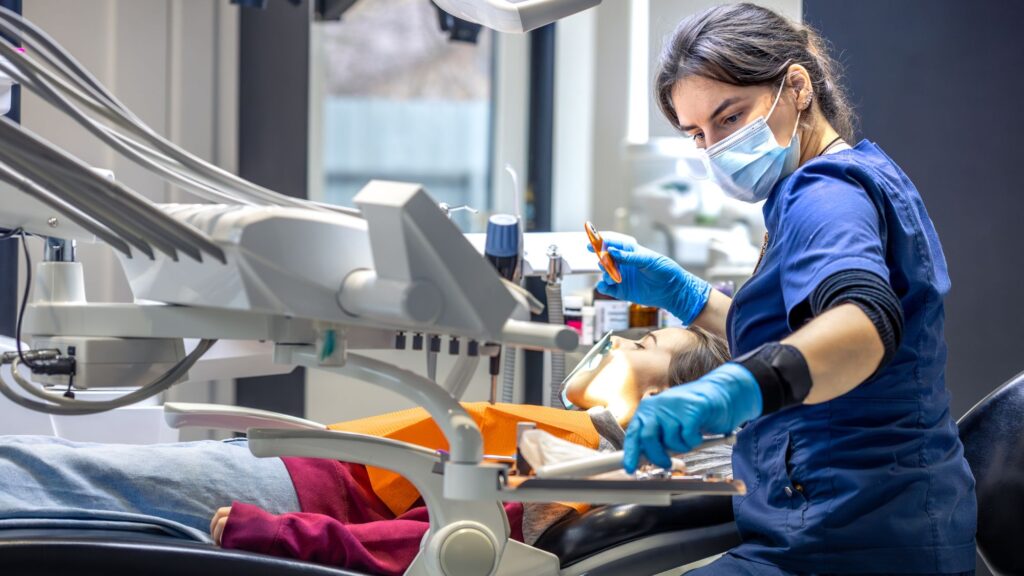
Dental care emergencies rarely happen at a convenient time. Knowing the difference between discomfort and a crisis can be the difference between saving and losing a permanent tooth. If you are searching for an emergency dentist in Livingston, the primary indicators of urgency are uncontrolled bleeding, severe facial swelling that affects your eye or airway, or a tooth that has been completely knocked out (avulsed) due to trauma.
Dental Symptoms That Should Never Be Ignored
Severe Tooth Pain: Pain that keeps you awake at night or is unresponsive to over-the-counter painkillers.
A Pimple on the Gums: This is often a fistula, indicating a dental abscess that is draining infection.
Trauma: Any impact that results in a loose or displaced tooth.
For more information on handling crises, check out our detailed blog on the signs you need an emergency dentist immediately.
What Happens During an Emergency Dental Care Visit
The goal of an emergency appointment is to conserve the pulp and manage pain. Your dentist will likely use digital radiography to see beneath the gum line. If a tooth is knocked out, it may be splinted to the neighboring teeth to allow the periodontal ligaments to reattach.
The American Association of Endodontists states that a knocked-out tooth must be replanted within 30 to 60 minutes for the highest chance of success.
What to Do If You Have a Severe Toothache in Livingston

A severe toothache is often a sign that the dental pulp has become inflamed or infected. In Livingston, many patients describe this as a throbbing sensation that radiates toward the ear or jaw.
Common Causes of Severe Tooth Pain
The most common culprit is a deep cavity that has breached the enamel and dentin. Allowing bacteria to enter the nerve chamber. However, it can also be caused by “bruxism” (nighttime grinding) or a cracked filling that is leaking.
Immediate Steps to Manage a Toothache Before Seeing a Dentist
Until you can get into the chair, use a cold compress on the outside of your face to constrict blood vessels and reduce inflammation. Rinsing with warm salt water can also help clear debris from around the painful tooth. Avoid very hot or cold foods, as the exposed nerve will be hypersensitive to thermal changes.
Research published in The Journal of the American Dental Association (JADA) highlights that a combination of ibuprofen and acetaminophen is often more effective for dental pain than opioid alternatives.
Read our full article on what to do if you have a severe toothache in Livingston for a step-by-step relief plan.
Dental Implants vs Dentures – Which Is Better?
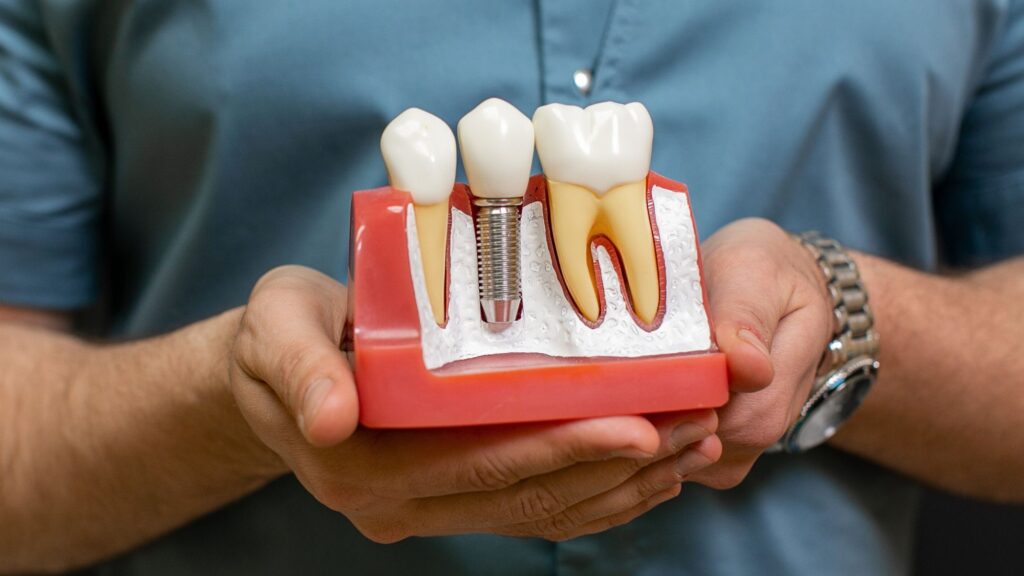
When you lose a tooth, the underlying jawbone begins to resorb (shrink) because it is no longer being stimulated by a tooth root. Choosing between dental implants in Livingston and traditional dentures is a decision that impacts your facial structure as much as your smile.
Key Differences Between Dental Implants and Dentures
Implants are titanium posts surgically placed into the bone that act an artificial roots. They provide nearly 100% of natural biting force. Dentures, conversely, sit on top of the gums. While modern dentures look very natural, they may slip and only offer about 20-30% of the original biting power.
Which Option Is Best for Different Types of Patients
If you have high bone density and want a permanent solution, implants are superior. If you are looking for a non-surgical, more budget-friendly way to replace an entire arch of teeth, dentures remain a tried-and-true method.
The International Journal of Implant Dentistry reports that dental implants have a cumulative 10-year survival rate of over 95% when properly maintained.
To compare these options in depth, view our guide on Dental Implants vs. Dentures.
Does a Root Canal Hurt? What to Expect
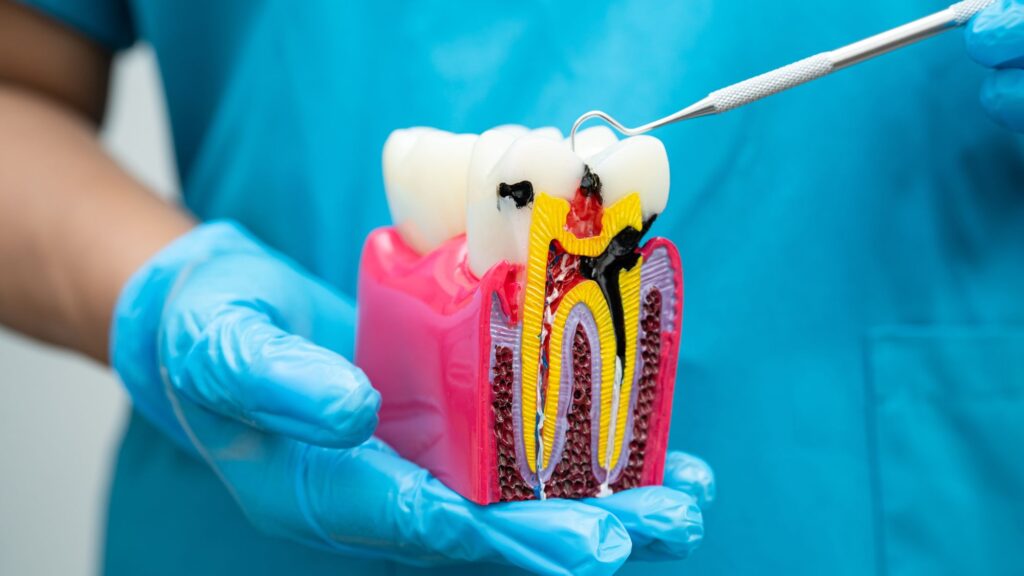
Root canal treatment is one of the most misunderstood dental care procedures. Many people associate it with pain, even though modern techniques are designed to eliminate infection while minimizing discomfort.
If you are researching treatment for infected teeth, you may have heard about root canal procedures in Livingston and how they restore damaged teeth.
For a full step-by-step explanation of the procedure and recovery timeline, read the detailed guide: Does a Root Canal Hurt? What to Expect.
Understanding the Procedure Step by Step
- Access: A small opening is made in the crown of the tooth.
- Cleaning: Micro-tools remove the infected pulp and bacteria.
- Sealing: The canals are filled with a rubber-like material called gutta-percha to prevent future bacterial growth.
Pain, Recovery, and Aftercare
After the anesthesia wears off, you may feel some tenderness in the jaw from holding your mouth open, but the sharp, stabbing nerve pain will be gone. Most teeth treated with a root canal will eventually need a crown to prevent fracturing.
Is Professional Teeth Whitening Worth It?
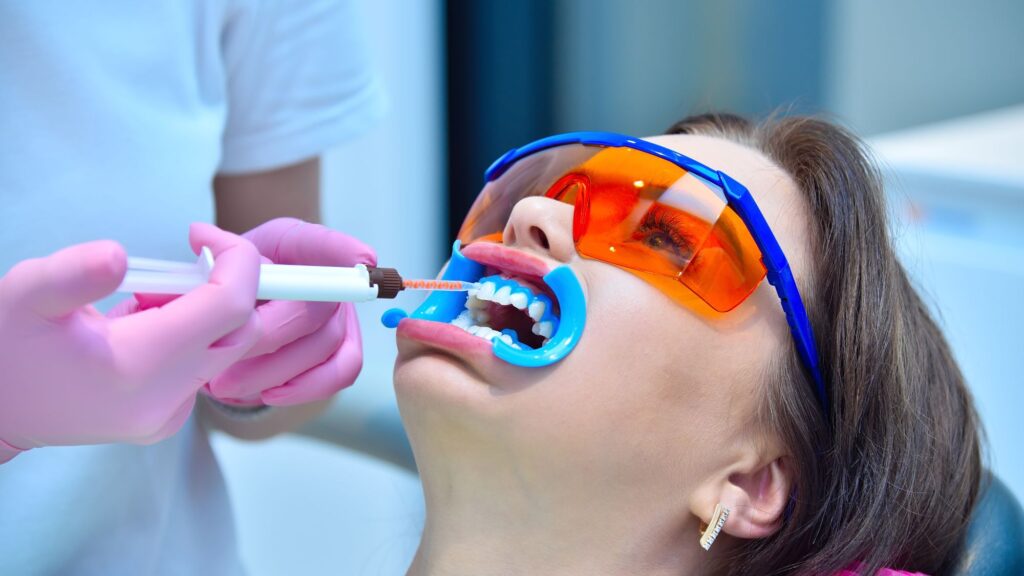
If you’ve tried over-the-counter strips and been disappointed, you aren’t alone. Teeth whitening in Livingston performed in a clinical setting uses professional-grade whitening gels that are significantly more potent than anything available on a supermarket shelf.
How Professional Whitening Works
Dentists use custom-fitted trays or power whitening lights to ensure the gel stays in contact with the enamel while protecting the gums. This allows the oxygen molecules from the whitening agent to penetrate deep into the tooth to break up complex stain molecules.
Benefits and Limitations
While results are dramatic, they aren’t permanent. If you drink a lot of red wine or coffee, you will eventually need top-up treatments. Furthermore, whitening cannot change the color of existing white fillings or porcelain crowns.
Learn more in our comprehensive guide on professional teeth whitening.
How Serious Is Teeth Sensitivity After Whitening?
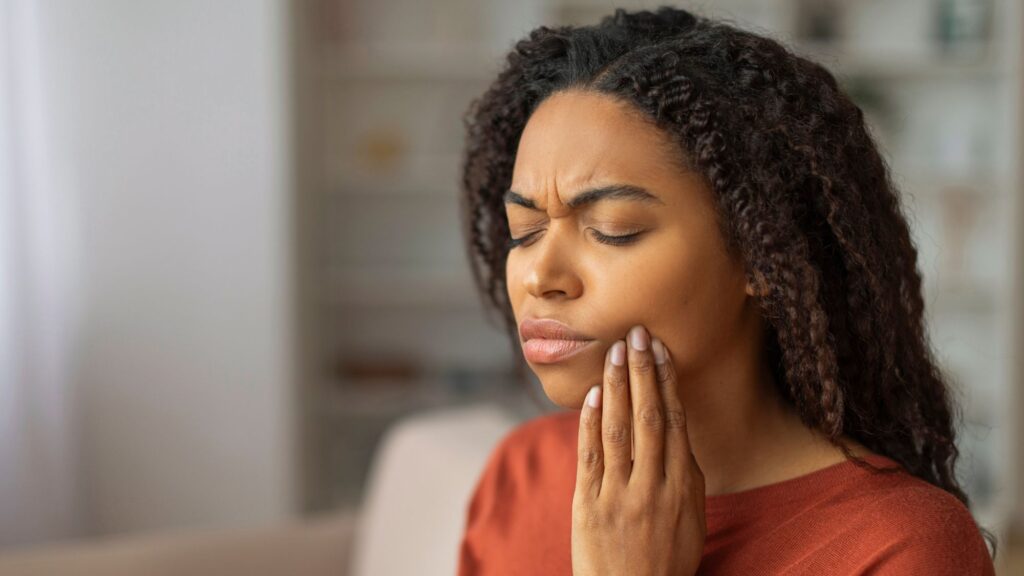
It is common to feel concerned if your teeth react to cold or air after a teeth whitening procedure in Livingston. In most cases, this sensitivity is a temporary side effect, not permanent damage. It usually manifests as short, sharp zingers rather than constant pain.
Why Teeth Become Sensitive After Whitening
Temporary Enamel Dehydration: Whitening agents draw moisture from the tooth, making enamel more porous and less able to insulate the inner nerve.
Nerve Irritation: The peroxide can cause mild, temporary inflammation of the pulp (the tooth’s nerve center), leading to increased sensitivity to temperature changes.
For a detailed look at these reactions, read our full blog on the seriousness of tooth sensitivity after whitening.
How Long Whitening Sensitivity Typically Lasts
Sensitivity usually peaks shortly after treatment and subsides as teeth rehydrate.
Duration: Most discomfort lasts 24 to 48 hours.
Tips to Reduce Discomfort: Use desensitizing toothpaste containing potassium nitrate for two weeks before and after treatment. Stick to room-temperature beverages, avoid acidic foods, and use a soft-bristled toothbrush to protect your enamel.
Early Signs of Gum Disease You Shouldn’t Ignore
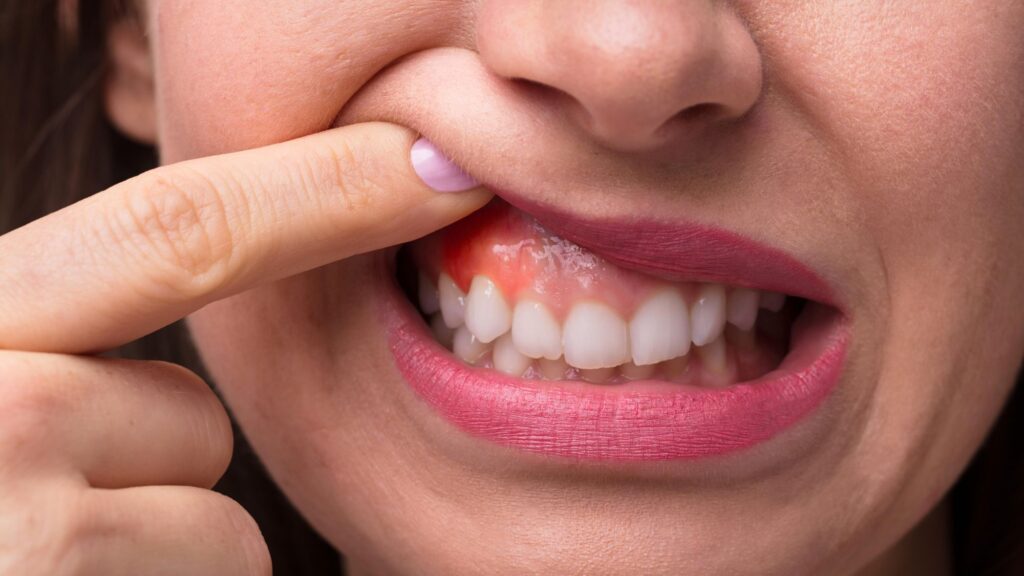
Gum disease is often called a “silent” disease because it rarely causes pain in the early stages. However, seeking gum disease treatment in Livingston at the first sign of bleeding is vital for your overall health.
Common Symptoms of Early Gum Disease
Healthy gums should be pale pink and firm. If your gums are puffy, dark red, or bleed when you floss, you likely have gingivitis, the earliest stage of gum disease.
Why Early Treatment Is Critical
At the gingivitis stage, the condition is reversible with professional cleaning and improved home care. If left untreated, the attachment between the tooth and the bone is destroyed, leading to tooth loss.
The Journal of Periodontology has published extensive research linking untreated gum disease to an increased risk of cardiovascular disease and stroke.
Read our full blog on the early signs of gum disease to protect your smile.
How Much Does a Dentist Cost in Livingston?
Transparency in pricing is a hallmark of a trustworthy practice. While every month is different, understanding the baseline for private care in the New Jersey market helps you budget effectively.
Typical Private Dental Care Costs in Livingston (2026 Estimates)
In our local NJ area, a standard dental cleaning and exam typically ranges from $150 to $250, depending on whether X-rays are required. Restorative work, such as composite (white) fillings, often costs between $200 and $450 per surface. More complex treatments, like a single dental crown or a root canal, can range from $1,200 to $1,800.
Factors That Affect Costs
Costs are influenced by the complexity of the case, the choice of materials (such as porcelain vs. zirconia), and the technology used (like 3D imaging). Many Livingston practices offer flexible financing or membership plans for patients without traditional PPO insurance, ensuring care remains accessible.
For a full breakdown of fees, visit our detailed guide on dental costs in Livingston.
Take the Next Step Toward Better Oral Health
Maintaining your smile shouldn’t be stressful. Whether you need a routine checkup or a more complex restorative plan, the first step is always a simple conversation.
Get in touch with a professional dentist in Livingston at The Honest Crown to learn more about our philosophy and request an appointment for your dental care. Don’t wait for pain to be your motivation; preventive care is the easiest way to a confident smile.